The popularity of the recently ended Pakistani drama, “Kabhi Mein Kabhi Tum” in India, made me wonder if it could be because people are losing interest in Primetime news debates. “Kabhi Mein Kabhi Tum” was a well-written and performed drama. The story was relatable. A smart child was given preference over his average siblings by his parents. With time, the siblings developed insecurities, and a lot of drama happened. The story was full of love, sorrow, jealousy, happiness, and all kinds of emotions needed in an all-engrossing TV drama. Many people usually hooked to Primetime TV debates, were discussing this show on social media. Could it be because Prime Time TV debates are becoming monotonous?
Over the last few years, TV studios have become war zones. It is no more exciting people, it seems. The same panellists are hopping from one channel to the other, repeating the same absurdities. A screaming match takes place in the studios between panellists. Language is no bar, and volume is no issue. The anchors are at regular intervals, adding fuel to the fire. Inspite of the tireless efforts of the anchor, the viewers seem to be losing interest. In my humble opinion, there is tremendous scope for entertainment in Primetime debates. Democracy may be a loser in the war of TRPs but TV debates could provide an alternative to regressive daily soaps. “Kabhi Mein Kabhi Tum” wasn’t a regressive drama, but there are dramas that are, regressive yet popular.
Entertainment, suspense, violence, romance, and plenty of villains, all possible within one hour or thirty minutes whatever the duration of the debate. Primetime debates could be more interesting than masala movies. The problem of the same panellists being repeated can be solved too. Interchangeable heroes and villains can add to the entertainment on TV debates. The hero on one TV channel can be a villain on the other channel for the same action.
A man in a black robe had sneaked in the dark to poison the village well(The anchor has assumed, can be far from the truth). Suddenly the music stops, and the camera zooms in. The hero collects the villagers, all armed with bamboo sticks. It is all happening live. The anchor is excited, and can barely stay in his chair due to the adrenaline rush. The panellist with a contrary view suddenly finds his voice, when the camera goes closer. It is an anti-climax, the suspect was a thirsty villager who had come to take water from the well.
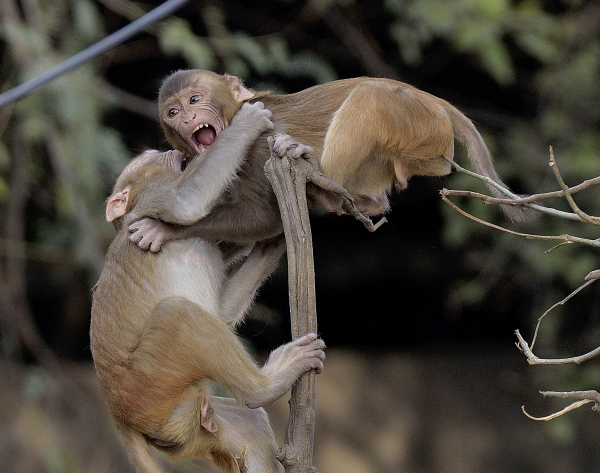
In scene two, the focus now shifts to the panellists in the studio. Music changes, and the anchor dressed in combat uniform introduces the panellists. The effect of background music can spice up prime-time debates. High-decibel music can be played if, the anchor is trying to create a scene where, the hero from the political party of his choice, is trying to fight a terrorist. The story might purely be the imagination of the anchor. Music will help make the story credible. The music is soft now since combat has been averted. It could be reversed depending on the loyalties of the anchor, and the news channel owner. The music could be changed when a panellist from one political party or the other is introduced. The anchor and his favourite panellist could say that the suspect cannot be given a clean chit until the case is fully investigated. The other camp could raise the issue of caste, and religion bias. One panellist would try to link this incident to the water scarcity issue. The anchor and his favourite panellist won’t let him speak. Background music will increase and decrease according to the mood. The anchor will instigate the panellists to fight. Viewers can imagine a cock fight and enjoy the excitement. With a little bit of creativity, a lot more fun could be added. There is no credibility in these debates in any case, let there be entertainment.
An anchor in desperate need of TRPs could introduce cheerleaders in Primetime debates. Every time a panelist scores a point there could be pretty women dancing in shiny clothes and pom-poms. Good-looking male dancers can be a part of the team to make the programme gender sensitive. Why should boys have all the fun? There could be colour coding for different political parties. Saffron, green, blue etc. depending on the party colours.

People not taking an interest in political debates doesn’t augur well for our democracy. Voters cannot make an informed choice if they don’t watch their leaders speak their minds. The voters should be given a choice of voting for the less bad candidate. Until that happens let us keep watching “Kabhi Mein Kabhi Tum”.
Photos and content by Prerna Jain


 Prerna's Photographs