Mohiniyattam is a classical Indian dance from Kerala. It was once performed exclusively by Devadasis, the temple dancers. I have seen and appreciated Mohiniyattam performances on TV many times. For the first time, I enjoyed a live Mohiniyattam performance, during my recent visit to the beautiful city of Munnar.
Mohiniyattam is a solo dance performed by female artists who embody the character of Mohini. The dance gets its name from Mohini – the female avatar of the Hindu deity Vishnu, who helped the Devas prevail over the Asuras. According to Hindi mythology, Lord Vishnu assumed the form of an enchantress Mohini, to distract the Asuras from consuming the celestial nectar derived from the Ocean of Milk.
The beauty of Mohiniyattam lies in its gentle flowing and graceful movements. It is said that Mohiniyattam dancers move as gently as a tender paddy plant in the soft breeze. The dancers express Lasya(a Sanskrit word meaning gentle), characterized by finesse in footwork, nuanced facial expressions, and gentle gyrations that convey divine love for Lord Vishnu. Cherished over the centuries, Mohiniyattam has an elaborated abhinaya, the expression of the eyes and face, which along with the mudras, the hand gestures, is used to tell the stories from Hindu mythology.

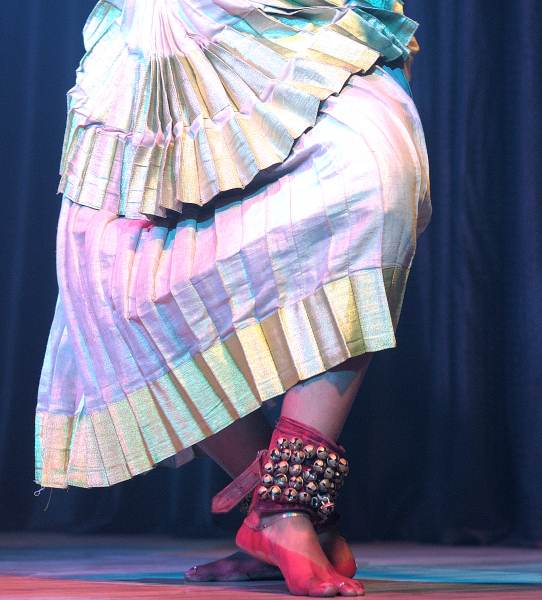
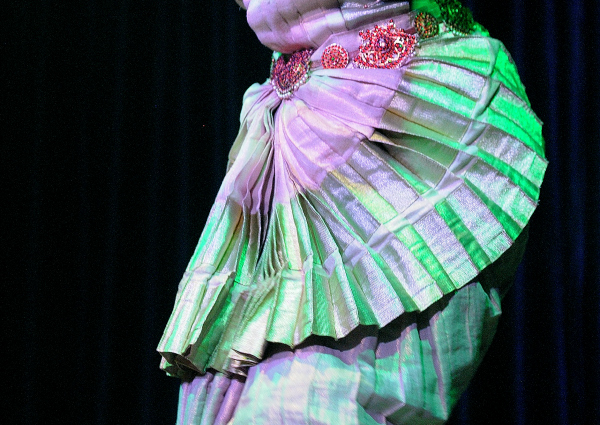
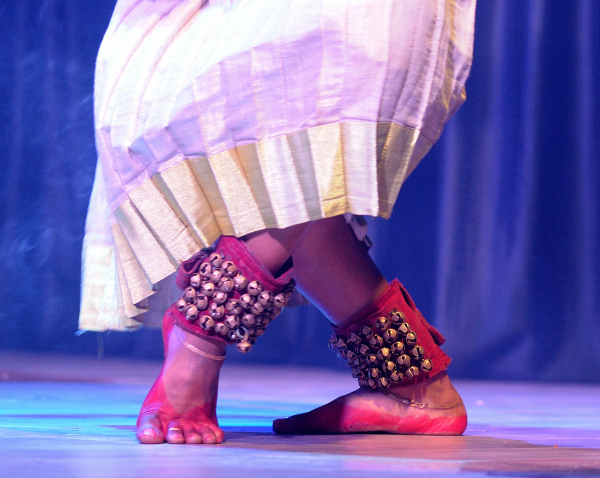
Mohiniyattam dancers wear white skirt costumes with golden borders and golden jewellery. The bells around the ankles, like in all traditional Indian dances, work as musical instruments played by the rhythmical movements of the feet.
Photos and content by Prerna Jain

 Prerna's Photographs