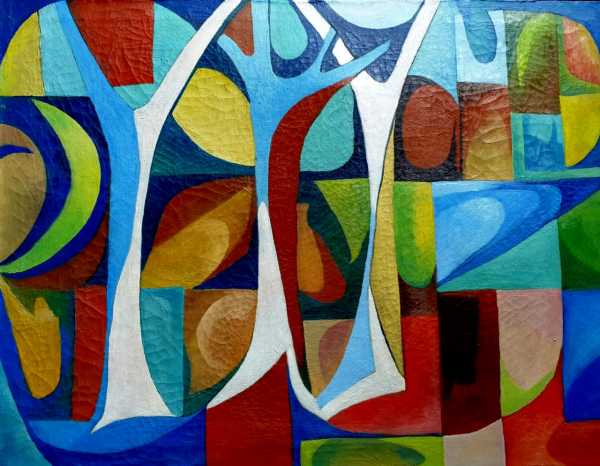
The concept of art has been changing through the centuries. Every generation of artists has their own interpretation of art. Whether you like Monalisa or not, you may trash Cubism or love it, the choice is yours. Art is “getting increasingly ridiculous”, is as common a phrase as saying. “the new generation is the worst”. I would disagree. There is a lot of good and an equal number of awful and ridiculous art to be found in every era. That was true during the Renaissance, and it is true, in the centuries after that.
Recently I met a couple who went on and on about how “Modern art” has no artistic value. It is ugly and meaningless. They had bought a painting from the wife of a person who mattered in the government. I can understand the reason for their outrage, they must have paid an outrageous amount of money for a piece of “art”, that didn’t even match the interior of their drawing room(their words not mine). I heard them patiently. Their rants were the trigger for this post. Not just them, lots of people mock “Modern art”. The truth is all genres of art have their ugly and meaningless works. “Modern art”, has good and bad aspects as is true of any other genre.
This is what I would have told them if I had the patience to tell and they had the patience to hear my views on art –
I guess when most people say “Modern Art”, they mean “Contemporary Art” or the art of the 21st century. “Modern” art is a historic period, approximately the hundred years or so between 1860 and 1970. This is when artists challenged traditional ideas, subjects and fine art mediums. Before trashing, Modern, Abstract or Contemporary art, it will be helpful to know a little about the history of Art. Before studying university-level Maths, you need to know basic, primary-level Maths. The same logic applies to Art.
Since the harsh opinions were about Abstract Art, I want to share a very brief History of Abstract Art. It didn’t happen overnight, it took a long time to reach this stage.
Abstract art is a non-realistic representation of a figure, landscape, object, or idea. It emulates reality with shapes, colours, and lines but does not accurately represent a realistic picture. Abstract art abstracts the essence of a realistic subject and reinvents it. The idea behind this art form is to create art based on interpretation rather than representation.
Moving away from realism, Impressionism paved the way for Abstract art. Impressionism revolutionised art with an emphasis on light, colour, and fleeting moments. Artists like Monet, and Renoir captured atmospheric impressions rather than precise details. The general impression of light and line created shapes and forms. Artists enjoyed this new freedom, and Abstractionism was born.
Post-Impressionism evolved from Impressionism. Impressionist artists moved closer to abstraction by distorting colours and shapes, to create truthful representations. Artists like Vincent van Gogh created non-realistic landscapes. The Starry Night, an abstract landscape painting of an expressive night sky over a small hillside village is a beautiful example of a non-realistic landscape.
Cubism recreated figures with simple geometric shapes behind the form. One of the most popular examples of abstract art is Pablo Picasso’s Guernica.
Abstract art, spanning various movements from Impressionism to, Post-Impressionism to Cubism to Modern Minimalism, has reached the present state. Abstract art has transcended boundaries, leaving the interpretation of the artwork to the viewer.
What do you mean by Abstract Photographs, Photographs are supposed to be real? How do you click Abstract Photographs? I was asked recently by a friend.
In Abstract photography, extreme close-ups, exaggerated shadows, and overexposure can create an experimental aesthetic, that distorts the traditional cityscape, landscape or objects. A Photographer uses her/his camera to discover new ways of seeing. You can use everyday objects, scenes and photographic techniques to create Abstract art through the camera lens.
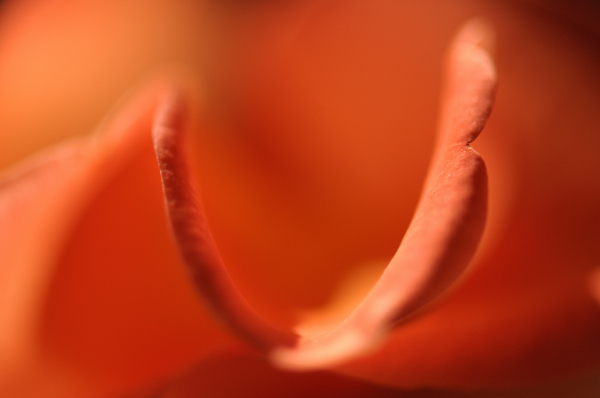
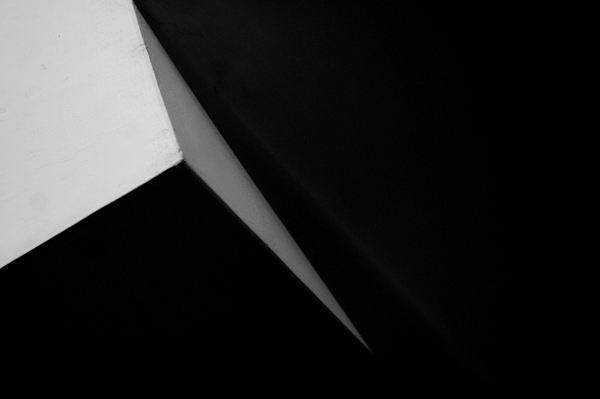
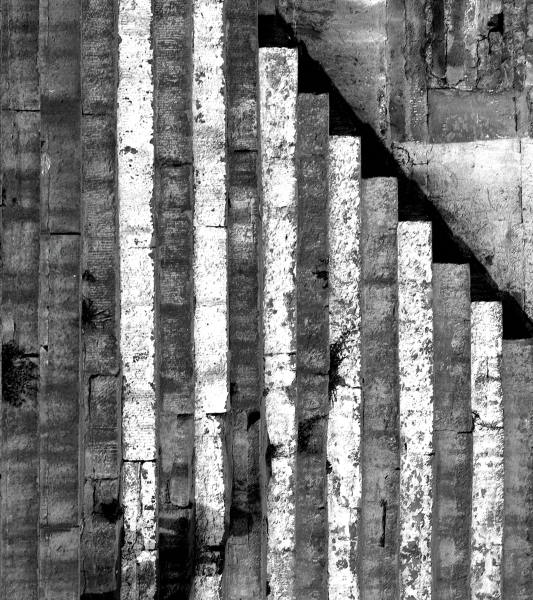
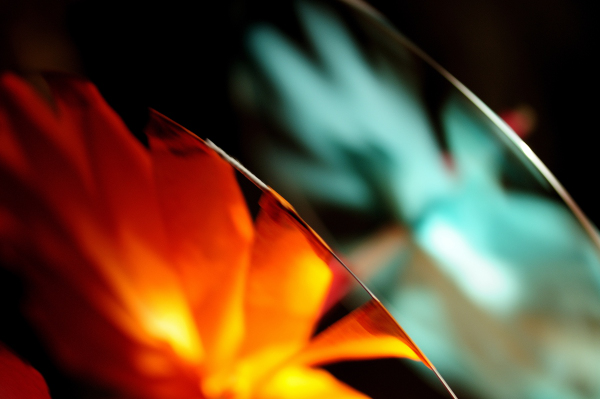
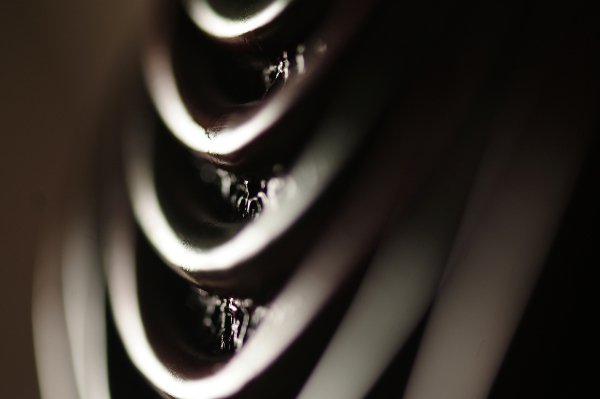
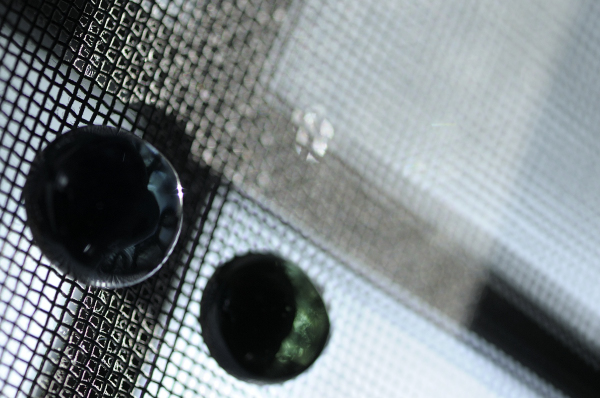
Photos, oil painting and content by Prerna Jain

 Prerna's Photographs