
Year after year on Women’s Day, we read messages like, My daughter is like a son to me, Women should be revered as Goddesses, and Respect women because they are somebody’s mother, daughter, or sister. Jewellery, cosmetics, and clothes are offered at discounted prices to women. 8th March was not declared International Women’s Day to facilitate shopping for women. She is much more than a mother, daughter, or wife.
United Nation’s theme for International Women’s Day, 8 March 2025 is ,
“For ALL Women and Girls: Rights. Equality. Empowerment.”
This is what International Women’s Day was meant to be.
I have read and heard some beautiful poems in Hindi and Urdu about women, some celebrating them, some describing their position and condition in society. Some poems were part of our textbooks, like this one by the celebrated Hindi poet Jaishankar Prasad –
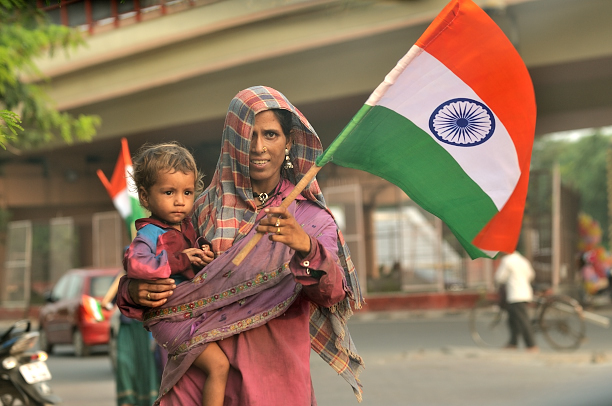
Nari tum kewal shradha ho…
Over the years, I came across some progressive couplets written in Urdu on women. This one by Kaifi Azmi is my favourite-
Ladkhadaegi kahan tak ki sambhalna hai tujhe
uth meri jaan mere saath hi chalna hai tujhe
(How long will you stumble, you have to hold yourself,
Get up my love, you have to walk with me) – Kaifi Azmi
As an article of clothing, the veil, hijab, ghoonghat or niqab used by women to hide their face is associated with modesty by many. Israr-ul-Haq Majaz had a different take on it. He raised his voice against it-
Tere maathe pe ye aanchal bahut hi Khoob hai lekin
tu is aanchal se ik parcham bana leti to achchaa tha
(the cloth on your forehead is beautiful,
it will be even better if you make a flag out of it) – Asrarul Haq Majaz
Women face discrimination. But if she is a Dalit, she is oppressed. If she is from a backward class, she is more backward than the males of her family. I recently read a poem, ‘Jhaduwali‘, by Omprakash Valmiki ji. It hit me hard. The poem highlights the pathetic living conditions of a woman, a Dalit woman. The story gradually unfolded. Just by reading the poem, I could hear a rusted iron wheelbarrow creating the khadang khadanag sound and a Pundit gently reciting religious shlokas. I could picture a foggy deserted street and smell the stench of filth around small children. I could feel the roughness of Ramesri’s palms as she pushed the cart.
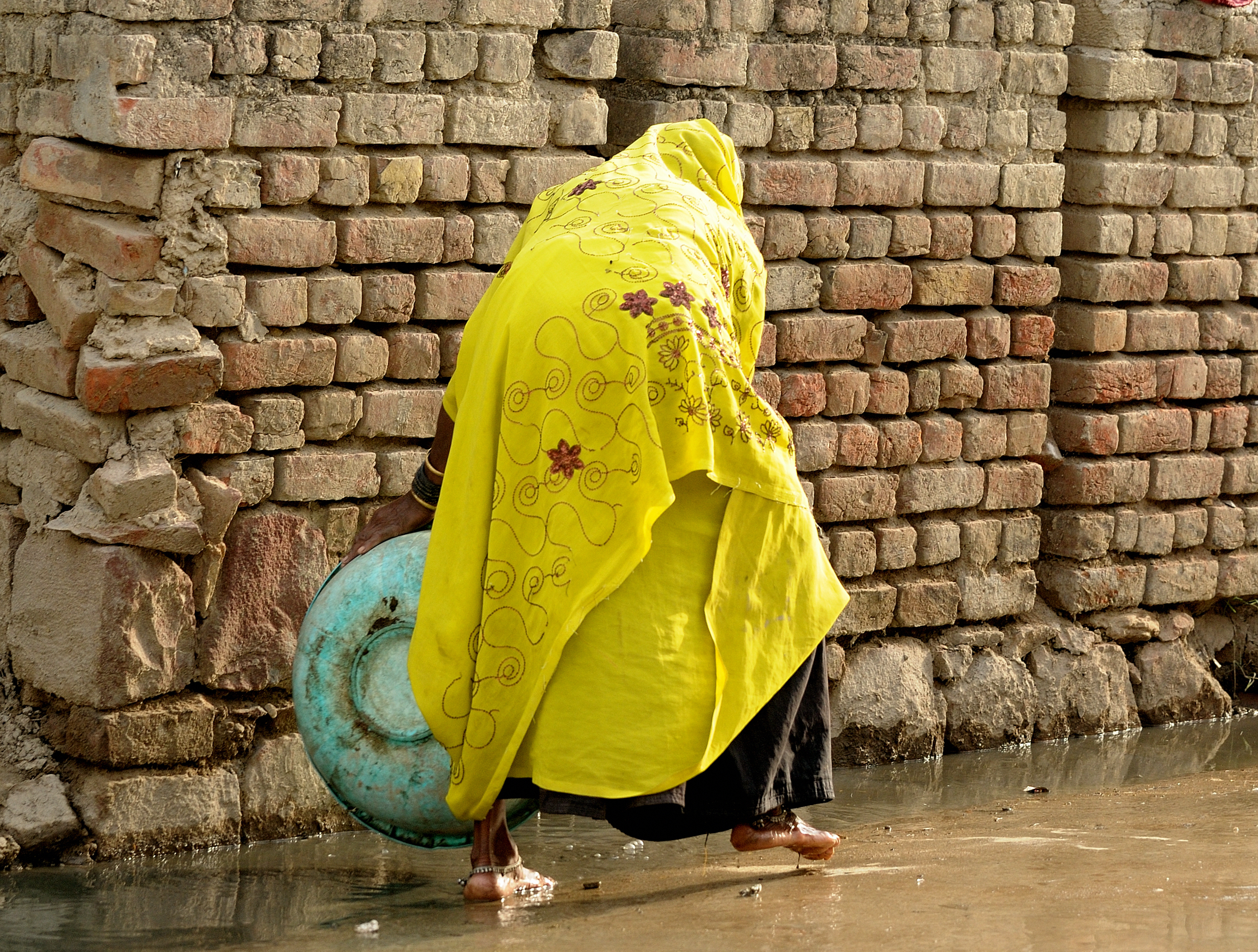
The poem is in Hindi, in Roman script; I haven’t translated it to English. I could not have done justice to it; the impact would have been lost.
Subah panch baje
hath mein thame jhadu
ghar se nikal padti hai
Ramesri
lohe ki hath gaadi dhakelte hue
khadang khadang ki karkash awaz
takrati hai
shaher ki unindi diwaron se
guzarti hai
sunsan pade chaurahon se
karti hui ailan
jago!
purab disha mein lal lal surya
ugne wala hai
nagarpalika ki sunsan sadkein
dhundhalakon ki jamat mein
timtimate ikka dukka taare
kan par janeu lapete
gungunate swar mein
shlok rat-ta hua pas se guzarta Pandit
chay ki dukan ke phatte par
chikat matmaili chadar mein lipta unghta naukar
bhatti ke pas leta kunmunata jhabra kutta
chaunkte hain
paas se guzarti
lohe ki hath gadi ki awaaz par
kostey hain ji bhar kar
Ramesri ke hath mein thami bans ki moti jhadu
sadak ke ubad-khabad seene par
shch shch ki dhwani si tairti hai
udaati hai dhool ka ghubar
dhool jo sainkdon varshon se
jam rahi hai parat dar parat
phephdon mein Ramesri ke
rang rahi hai shwas nali ko
chimani si
karkhane se uthte dhuen si
sab kuch milakar
ek khaka ubharta hai
jo zindagi ki krurata ka namuna hai
jismein chhote chhote bachchon ka
anawrat silsila hai
jinhen leel jati hai
gandagi se uth-ti durgandh
aur, ve na jaane kab bade hokar
gandagi ke is shaher mein durgandh ban jate hain
phir ek din, jab
Ramesri ki khurdari hatheli ho jati hai asmarth
hath gadi ko dhakelne mein
chhote chhote hath
sadak tak laatey hain dhakelkar gadi ko,
badle mein paakar asankhya zakhm bhi khamosh rah jate hain
dhote hain zindagi ka bhaar usi tarah
jaise dhote rahe hain inke purkhe
chehre par kuch lakiren hain
jo waqt ne ukeri hain
saal dar saal guzarte hain
deewaron par chipke chunawi poster
munh chidhate hain
jab tak Ramesri ke hath mein
khadang khang ghisat-ti lauh gadi hai
mere desh ka loktantra
ek gali hai!
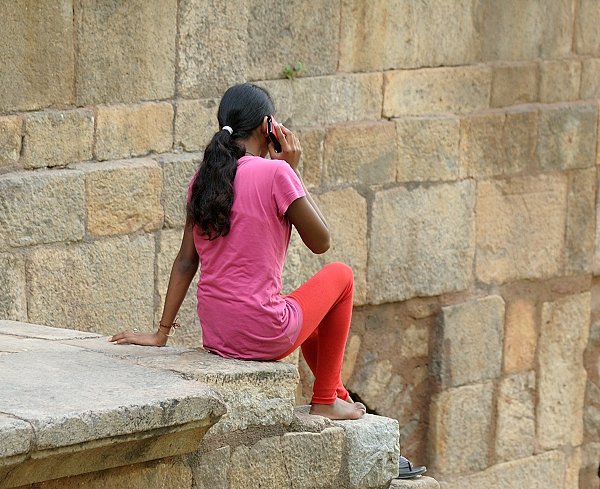
Buying Jewellery and cosmetics at a discounted price on International Woman’s Day is not woman empowerment. Women across caste, religioun, race, class and age, deserve equality every day of the year; that’s it. Giving equal opportunities to women is the only way to empower women.

 Prerna's Photographs