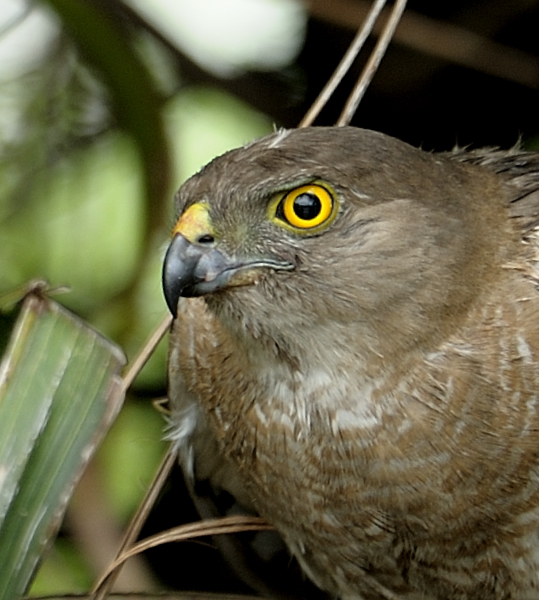
I overheard a stock market conversation between two traders/experts.
“A downturn in the stock market was inevitable. His bird’s-eye view of the market will help us beat our competitors.”
I wondered, do the birds even know that their eyes are a topic of conversation in the world of stocks and shares.
Bird eyes are huge in proportion to the size of their heads and brains. Good eyesight is absolutely essential for the survival of birds. It helps them search for food and prevents them from becoming food for predators.
Birds have three eyelids: an upper eyelid, a lower eyelid, and a nictitating membrane.
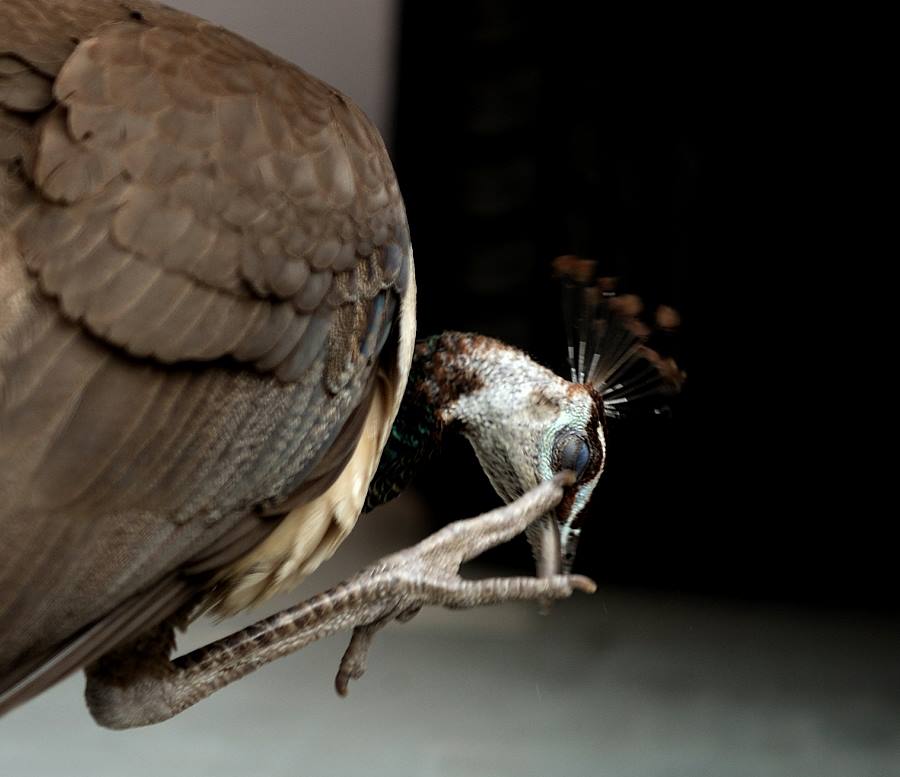
The nictitating membrane is between the other two eyelids and the cornea. It has its own lubricating duct like human tear ducts. Birds need a nictitating membrane while flying at breakneck speed, hiding in a dense thicket or diving underwater. The nictitating membrane is hinged at the inner side of the eye and sweeps horizontally across the cornea. It is transparent and keeps the eye moist and clean while guarding it from wind, dust, and hazards.
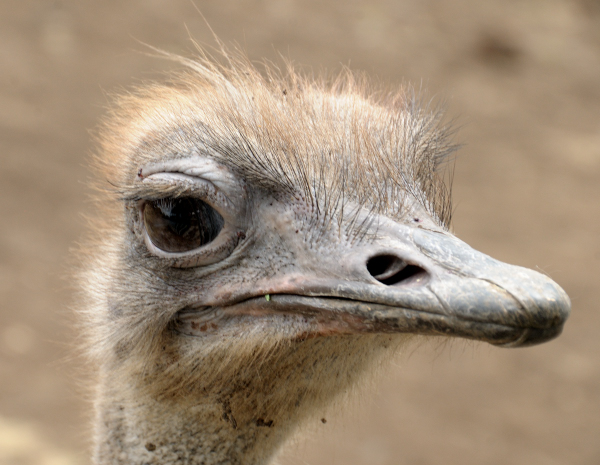
The ostrich is the largest living bird on planet Earth. Its eyes are bigger than its brains. Ostriches have very long eyelashes to protect their eyes, and their eyelids help shield them from the sand in the desert.
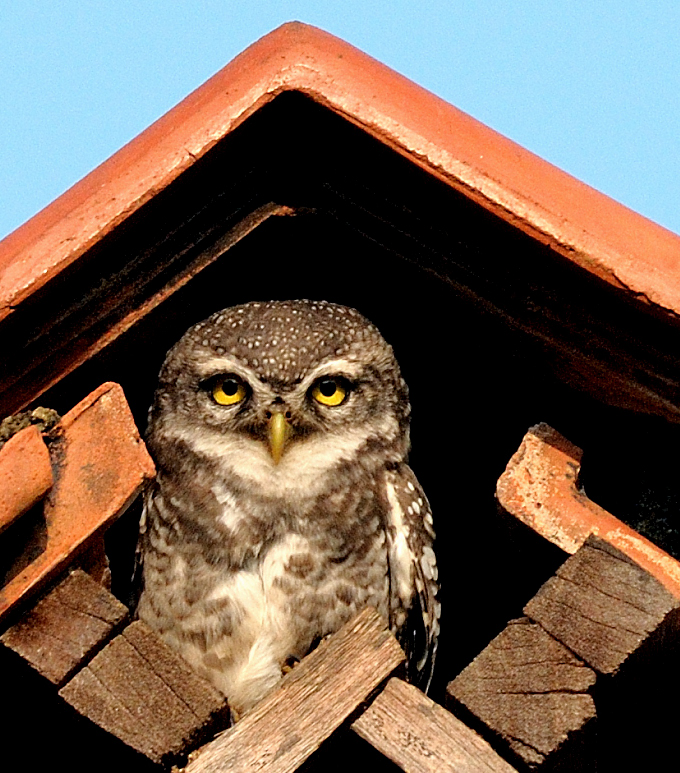
An Owl’s eyes are much bigger than the average for birds of the same weight. The eyes are positioned at the front of the head.
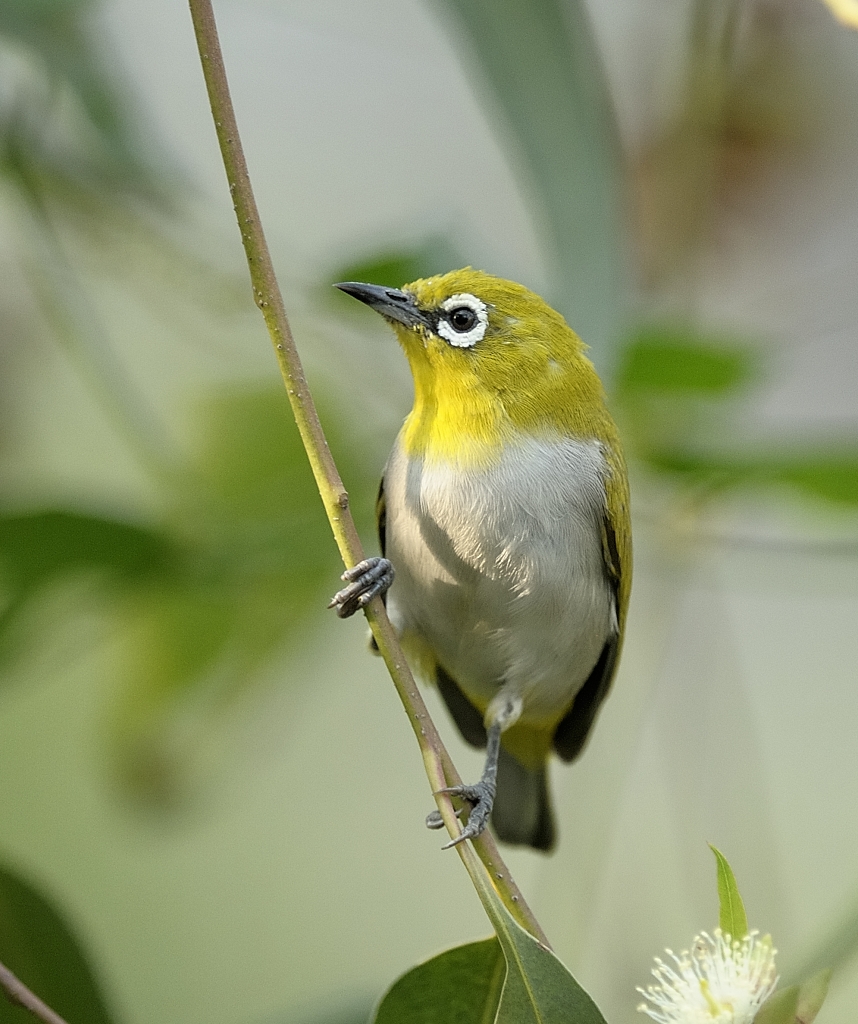
One of the most striking bird eyes I have ever seen are the eyes of the “Oriental-white eye”. The white circles around the eyes, that define the cute Oriental white eye are made of tiny feathers.
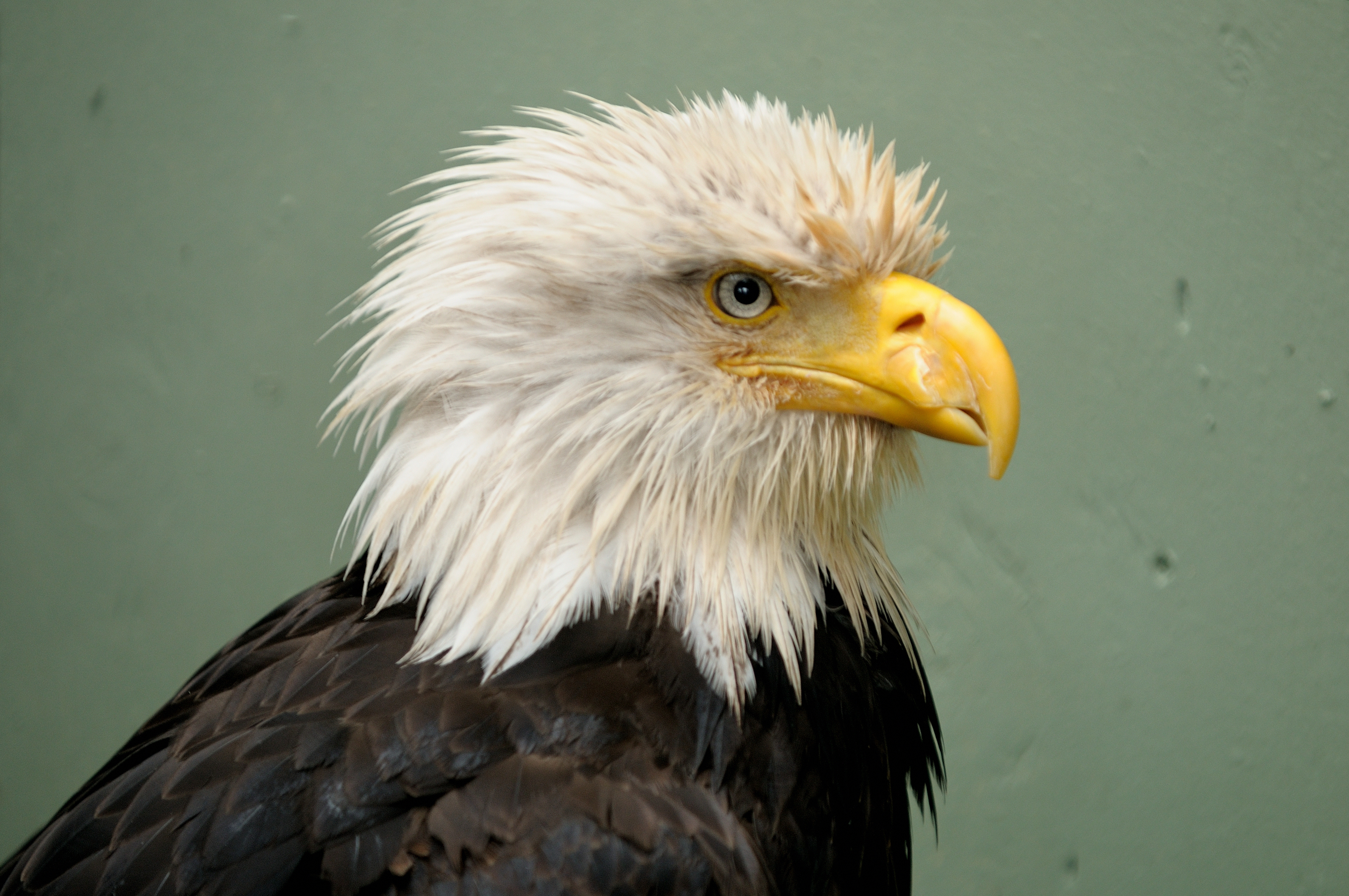
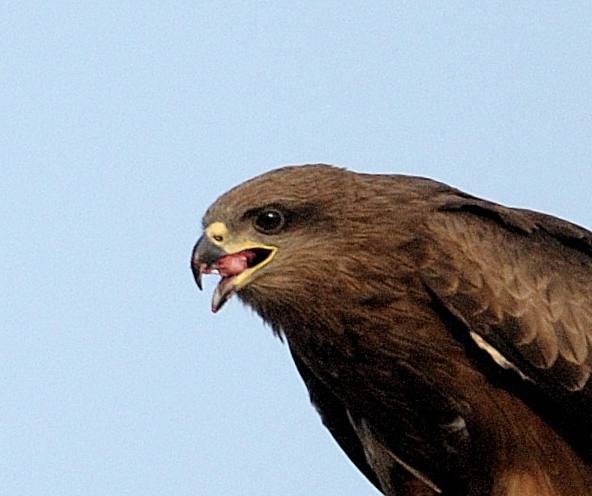
Raptors’ well-developed eyes give them the ability to see great distances. They can focus on prey up to two miles away

This photo does not do justice to the Yellow-Footed green pigeon’s beautiful eyes.
The colour may vary within a single species. This variance may occur with breeding season, age, or gender. During the breeding season, cattle egrets develop bright red irises (eye colour). Male Shikras have deep red eyes, while the females have orange/yellow iris. Juvenile Shikras have pale dull yellow eyes.
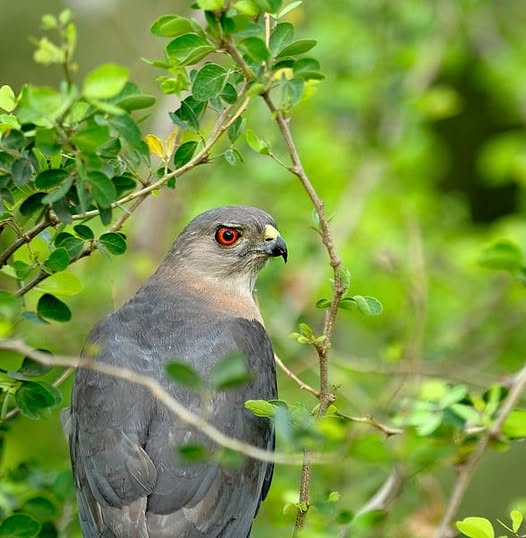

Young crows have blue eyes, as the crow matures the blue colour changes to a blackish brown colour.
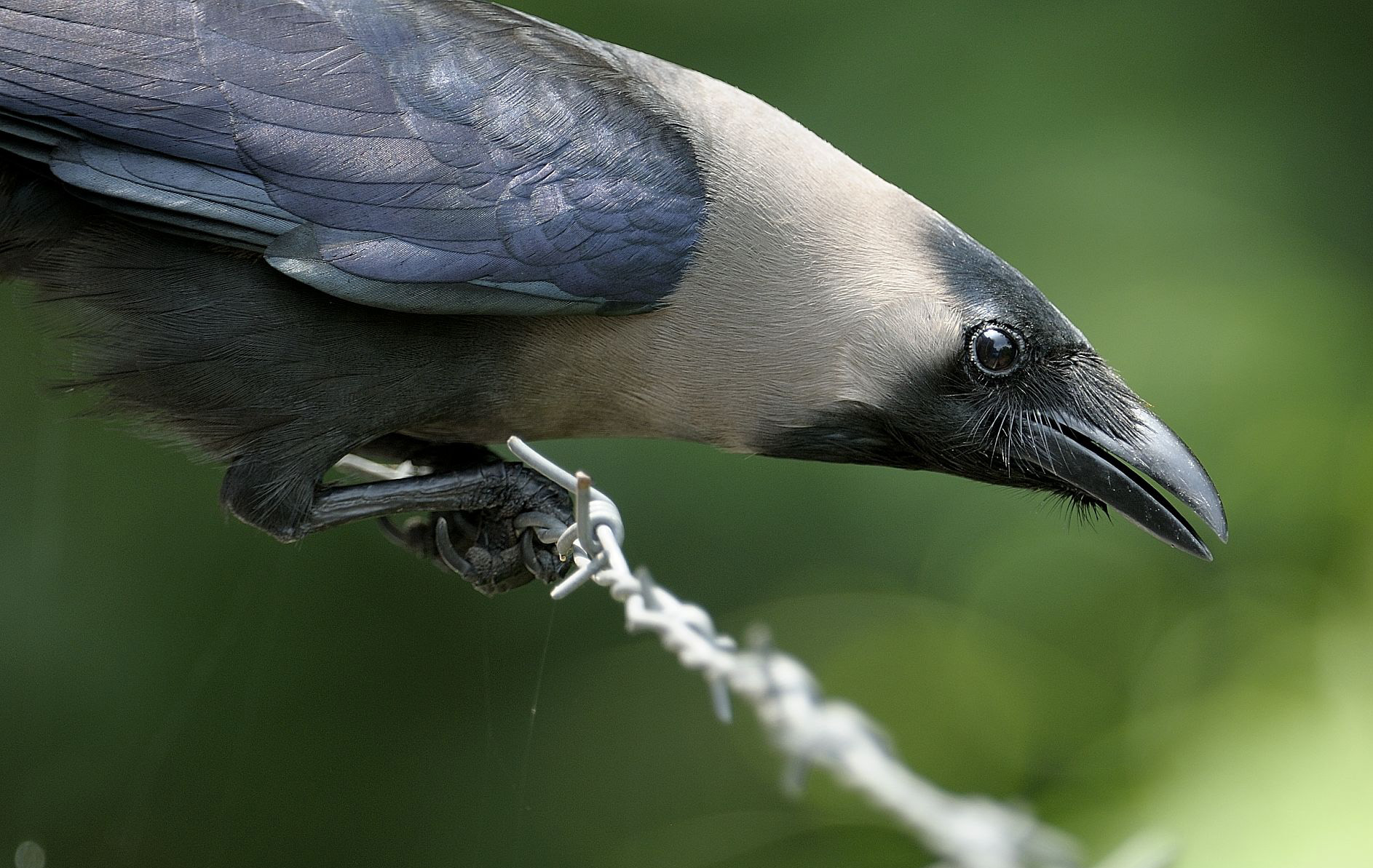
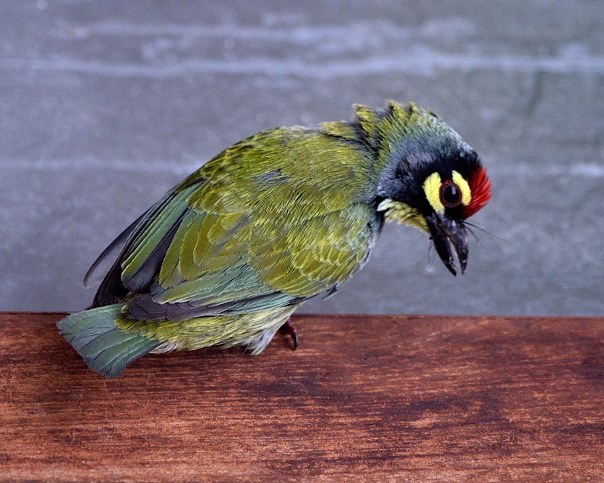
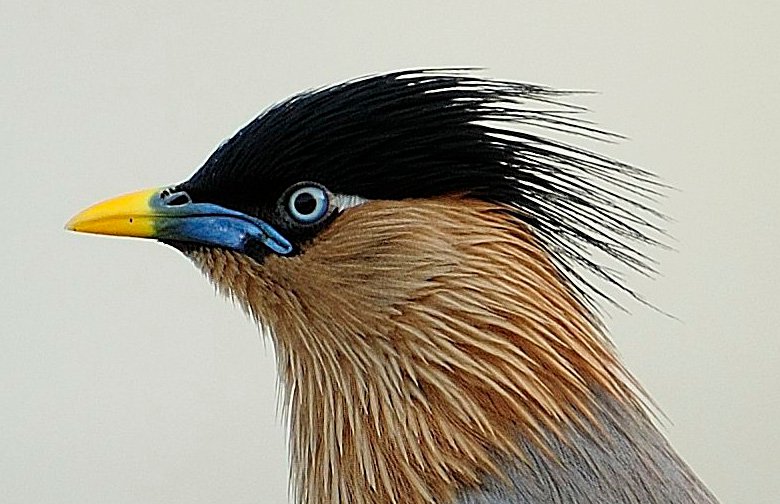
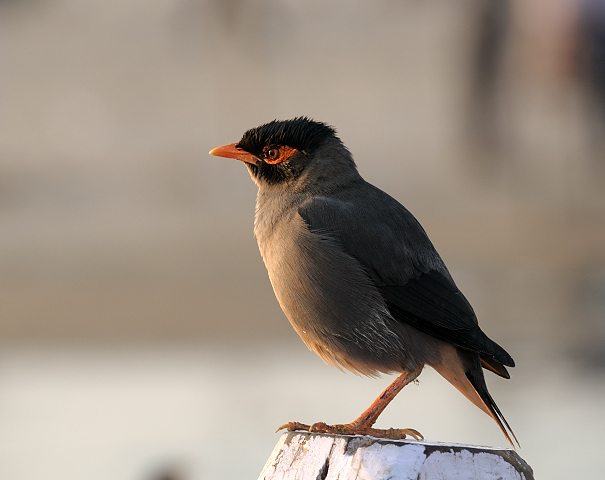
Some of the most beautiful eyes belong to the Avian world. The bird’s eye is much more than just looking pretty. From the predator to the victim, the bird’s-eye view has different meanings for different species.
Photos and content by Prerna Jain.


 Prerna's Photographs