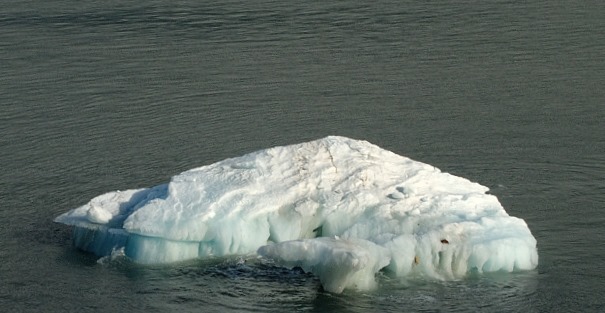
Since 1993, World Water Day has been held every year on 22 March to highlight the importance of freshwater. The theme of World Water Day 2025 is ‘Glacier Preservation’.
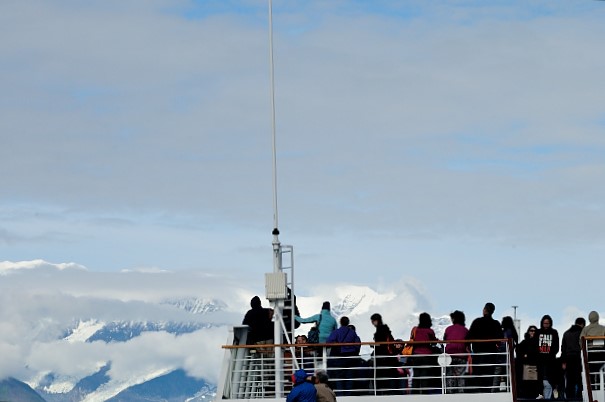
Some sights remain with you even after a decade has passed. One such image was the sight of the Hubbard Glacier during the Alaska cruise. I vividly remember the excitement of the passengers on the cruise ship. Watching chunks of ice breaking from the massive glacier and falling into the water was an amazing sight.
It is difficult to imagine that we risk losing many such beautiful glaciers due to global warming. This is not just about the stunning landscapes around the glaciers, the survival of living beings on Earth depends on their well-being. About 70% of Earth’s freshwater exists as snow or ice. Nearly 2 billion people rely on water from glaciers, and snowmelt for drinking, agriculture, and energy production.
Glaciers are melting fast, and the frozen world is shrinking. According to WMO(World Meteorological Organization) in 2023, glaciers lost more than 600 gigatons of water. This is the largest mass loss registered in more than half a century.

The amount of melted water flows is changing, every year. It is causing unprecedented floods, droughts and landslides. Glacier melting is directly linked to the rise in sea levels. Today’s sea level is about 20 cm higher than in 1900. From 2000 to 2023, glacier melt contributed 18 mm to global sea-level rise.

Rising sea levels are a major concern for coastal regions and critical for some small island nations. Some islands in Maldives have lost over half of their mangrove cover since 2020. Researchers have found evidence that mangrove forests, which protect tropical and subtropical coastlines are drowning in the Maldives.

I have little hope that a UN year for Glacier Preservation will make much difference. Global reductions in carbon emissions and the active participation of nations are essential to save the glaciers. It doesn’t seem to be happening.
Communities and ecosystems are at risk. I hope some sense prevails and the world works together to reduce greenhouse gas emissions. The very thought of some beautiful islands like Maldives drowning is scary.
Photos and content by Prerna Jain.

 Prerna's Photographs