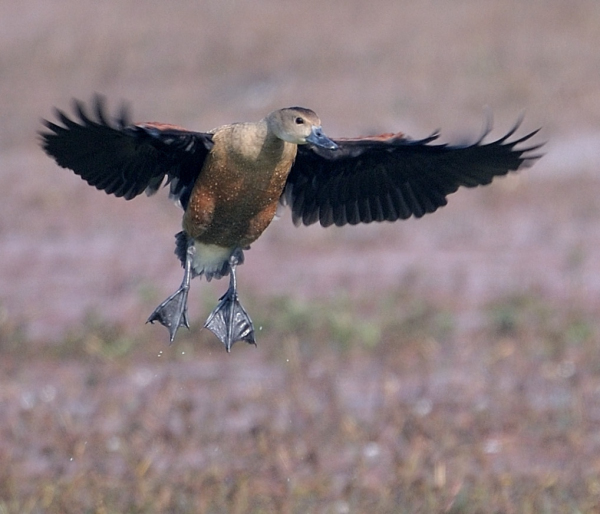
Bird feet exhibit remarkable diversity and adaptation, evolving to suit various lifestyles and environments, ranging from perching and grasping to swimming and running.
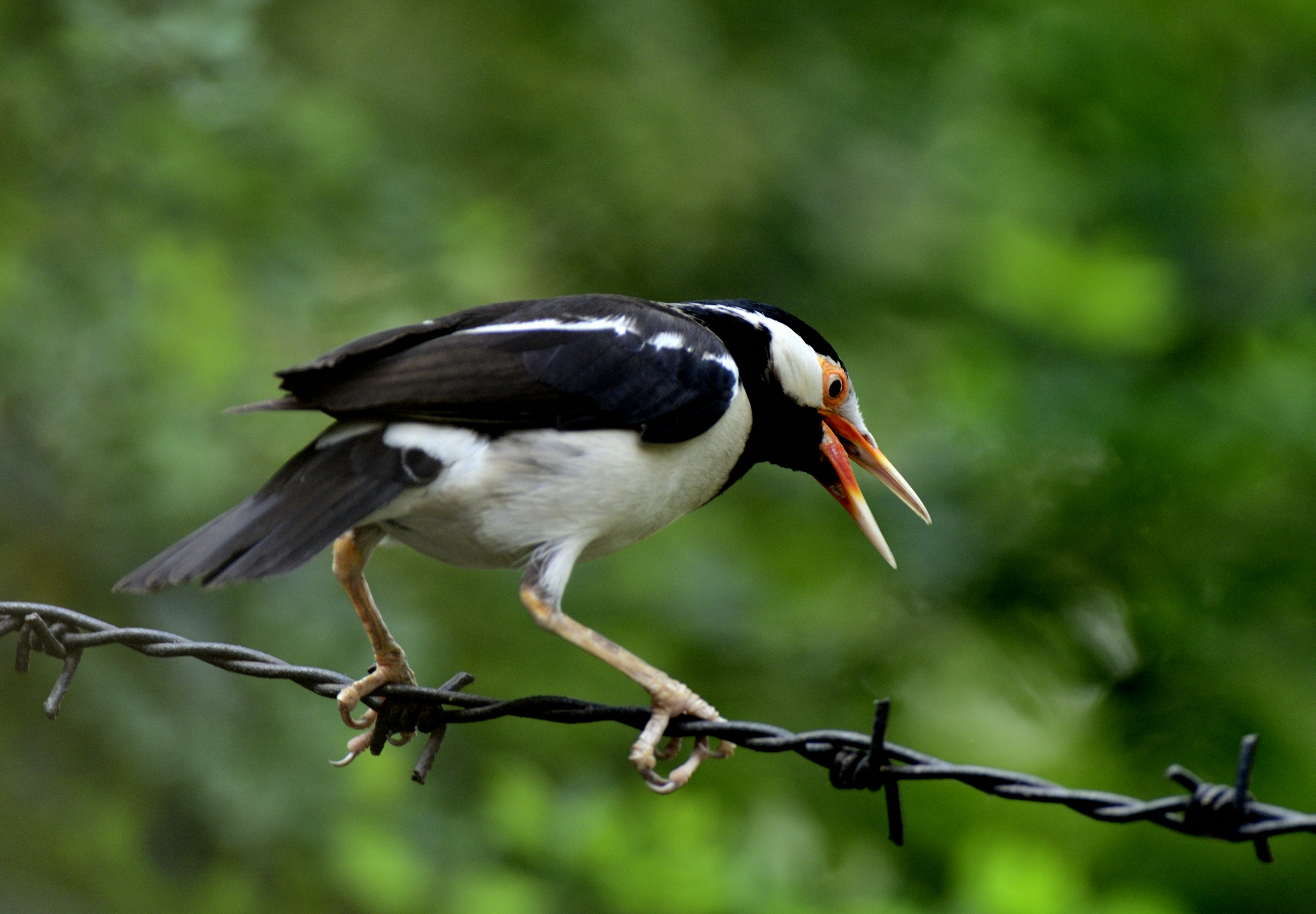
Most perching birds have four toes, with three facing forward and one facing backward, each equipped with claws; this arrangement is known as anisodactyly.
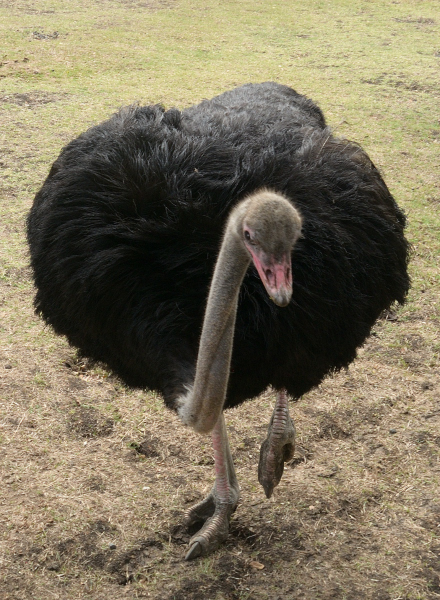
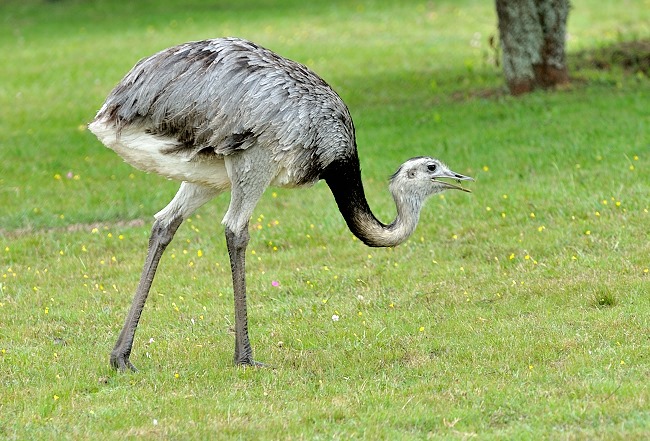
Flightless birds like the ostrich and rhea use their long legs to run and as weapons of defense. The ostrich can shatter a lion’s jaw with its powerful legs. Rhea can rip animals to shreds with its strong legs.
Woodpeckers have two rearward-facing toes (and claws) to enable them to scuttle up and down vertical surfaces of tree trunks.
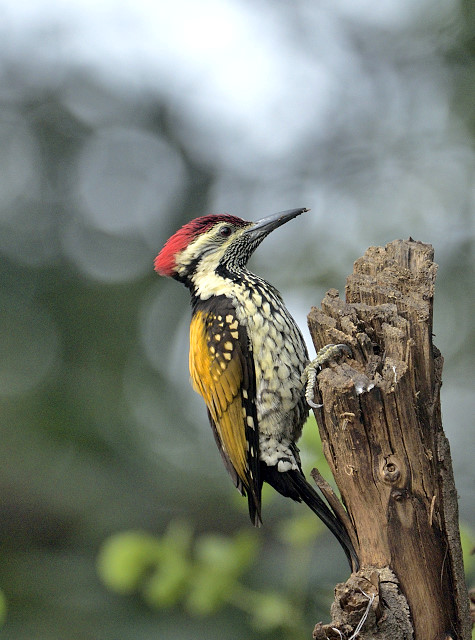
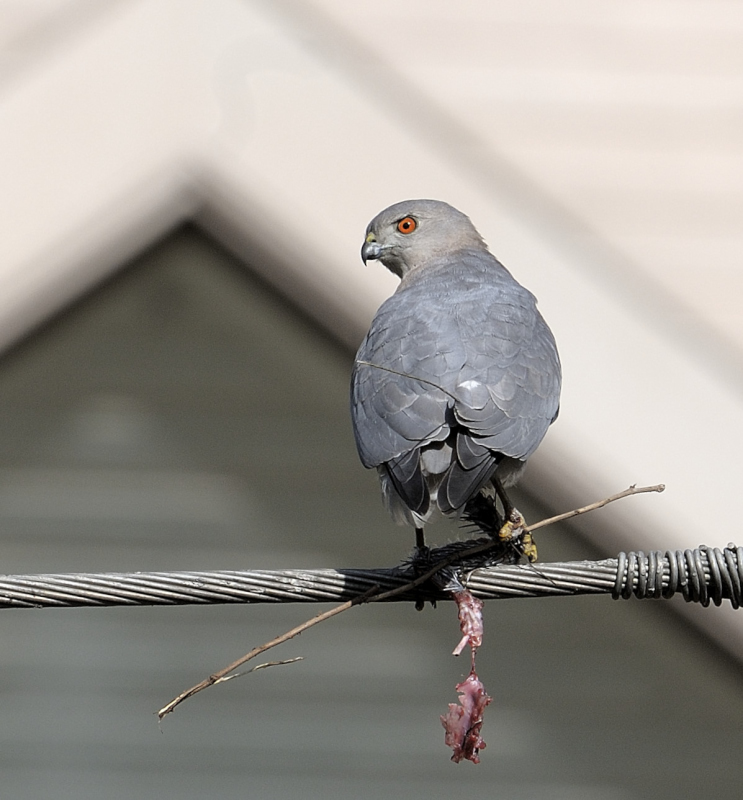
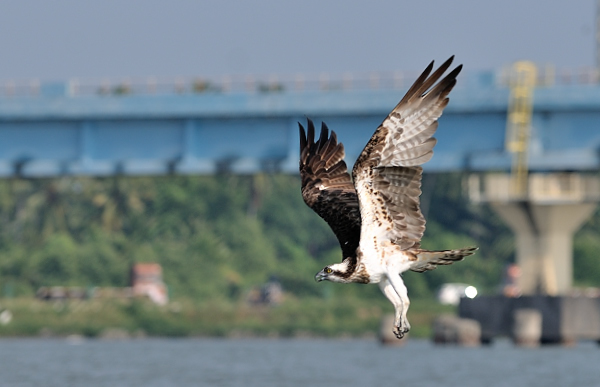
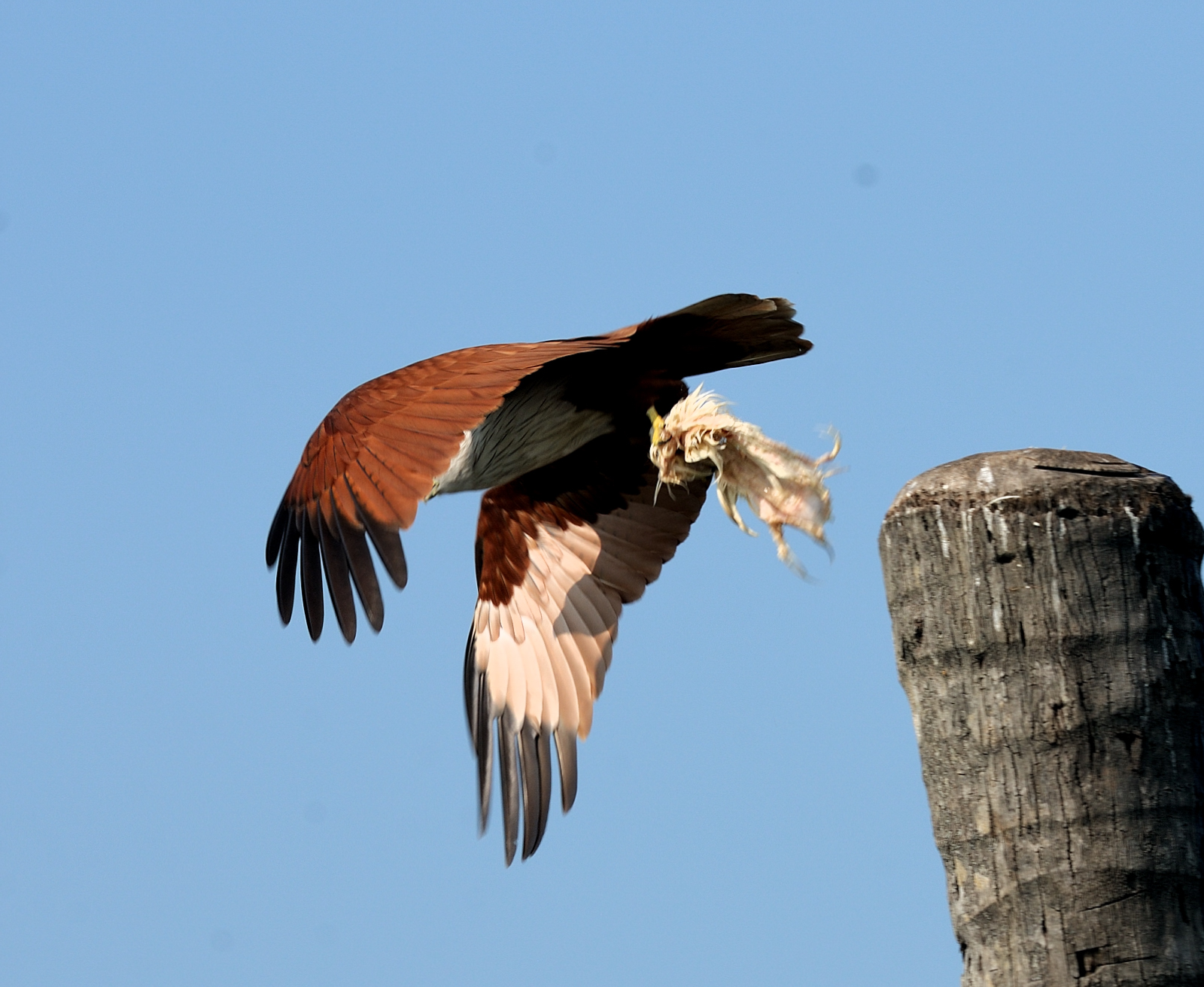
The two rearward-facing toes (and claws) enable raptors to grip their prey.
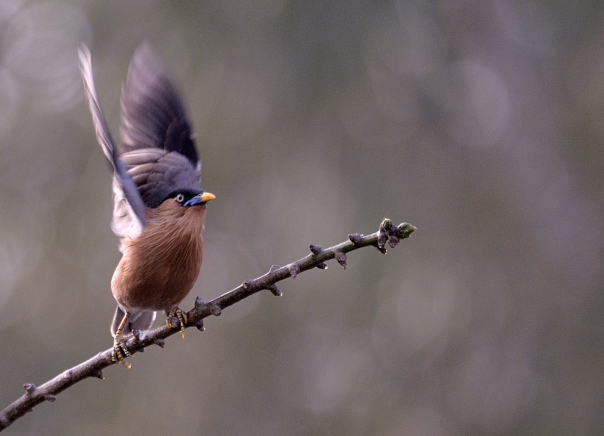
Small birds hop on the ground, they use their feet to give them momentum for take-off. They crouch a bit and then spring into the air as their wings open up.

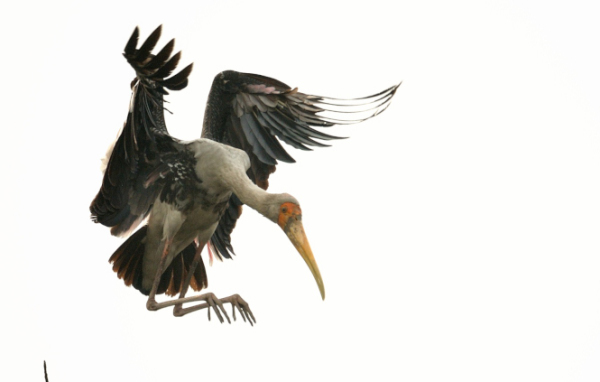
Their legs are also used as landing gear. Swans and pelicans use their webbed feet to provide the momentum for takeoff from water and as brakes upon landing.
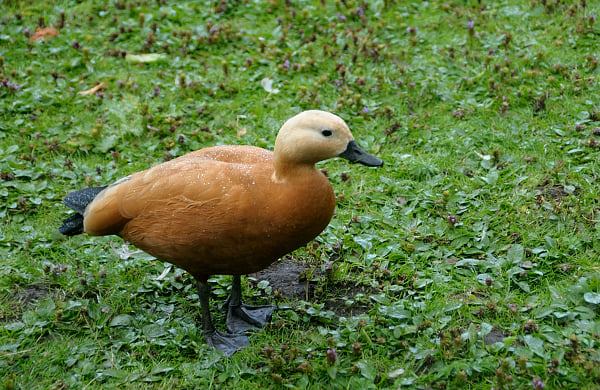
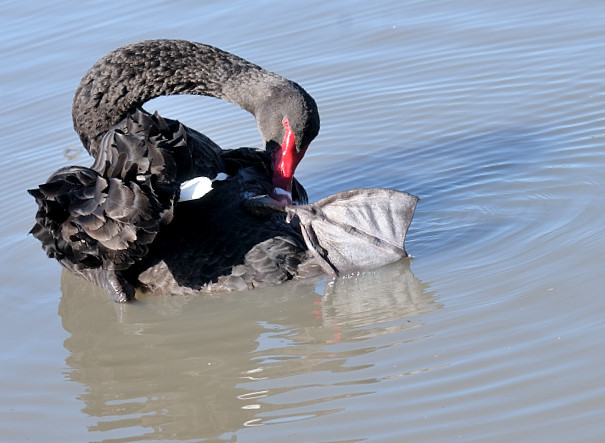
Ducks, geese and swans have webbed feet, which help them steer their way across water.

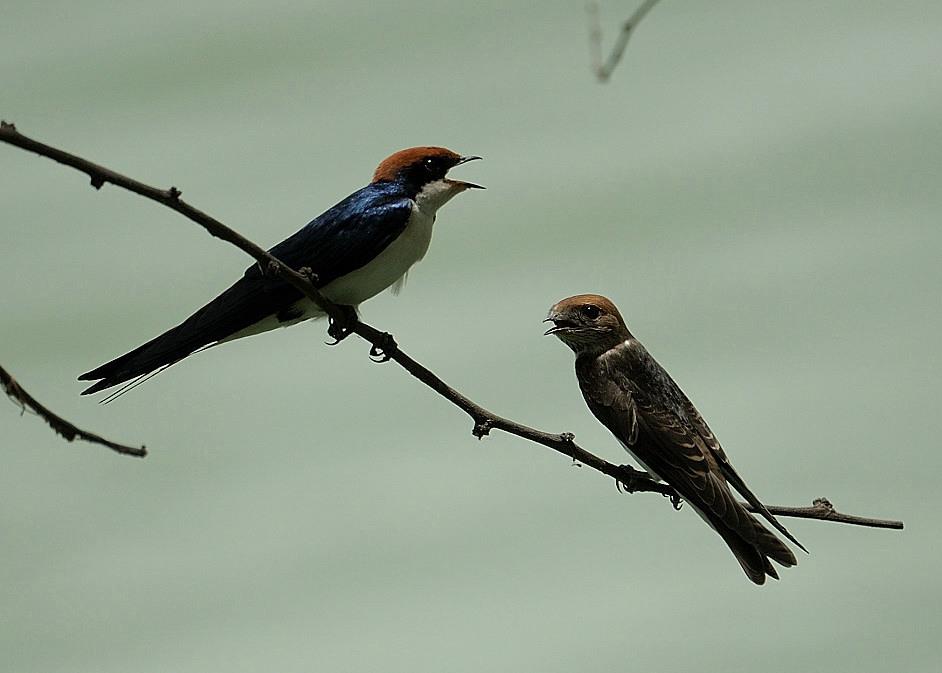
Birds, like swifts and swallows have small tucked-up legs and feet, which are used for clinging to cliff edges and nesting places.
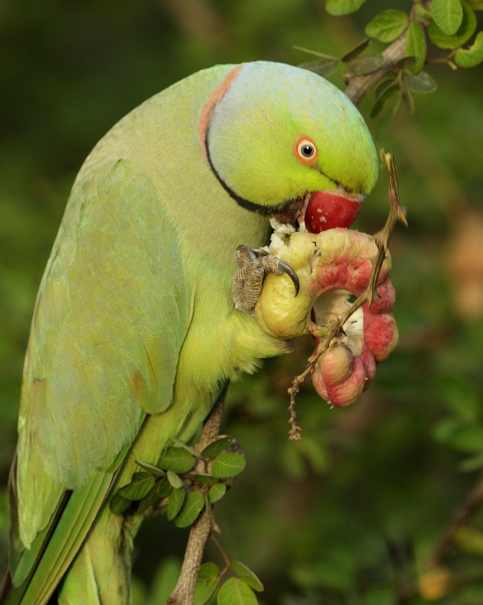
Parrots and parakeets use their feet and claws to hold fruits and nuts while eating.
Wading birds like herons and storks have long legs, which help them stalk in ponds and lakes as they fish.
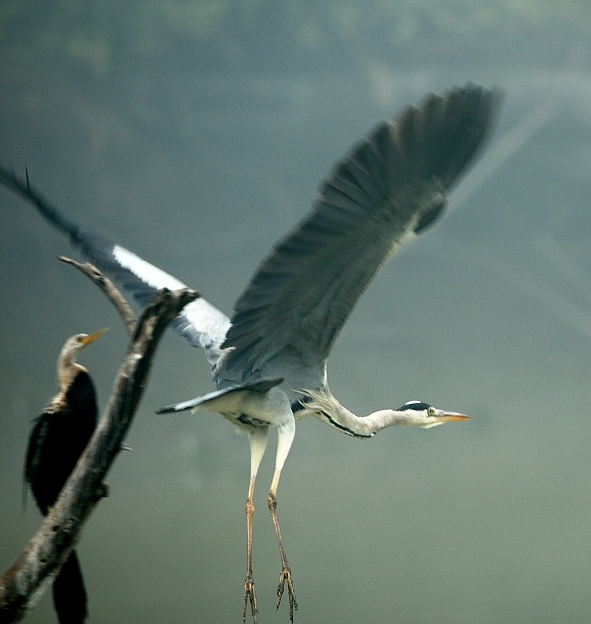
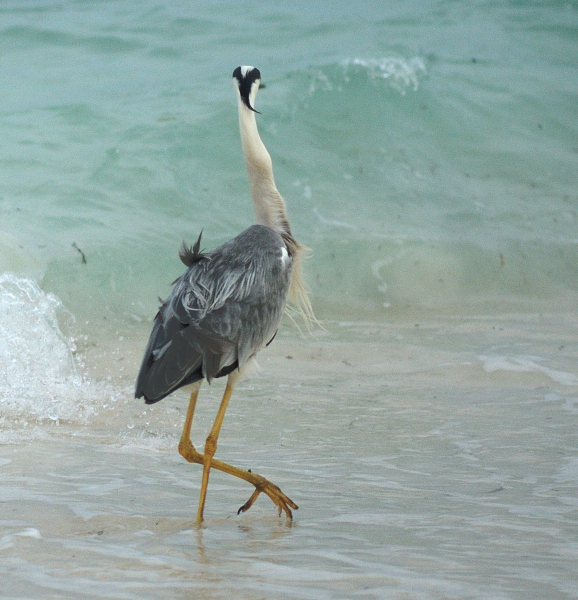
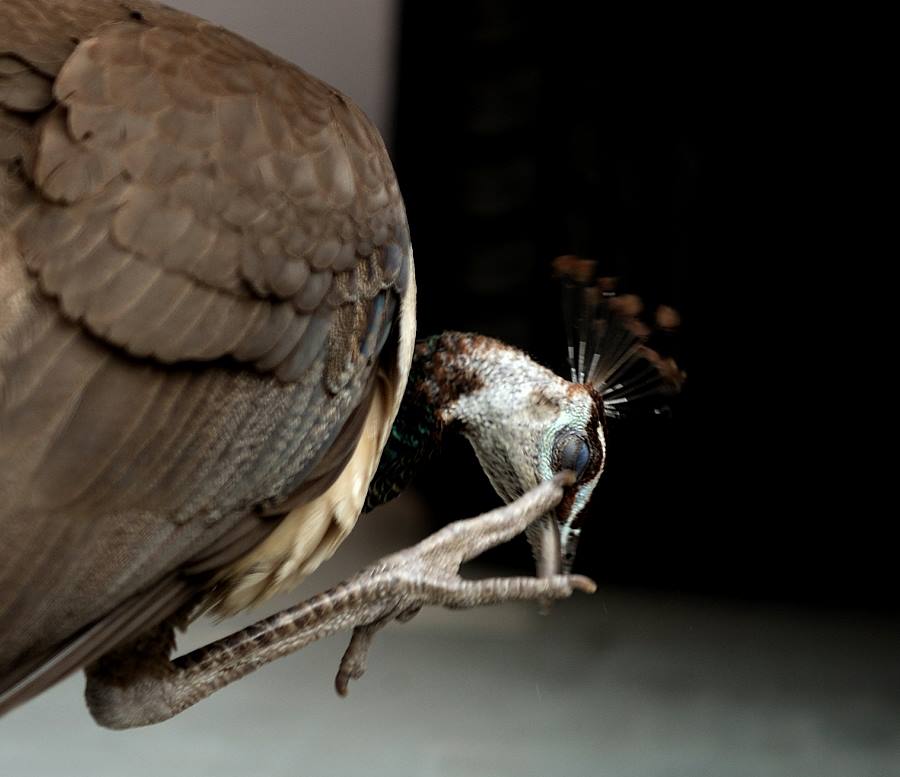
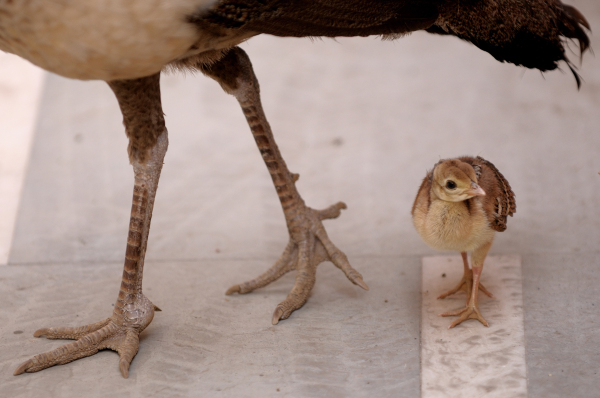
According to folklore, when God was creating various life forms on earth, He wanted to create a supremely beautiful creature. He lost track of time and finished the legs of the peacock in a hurry. Hence, the legs of the peacock are ugly compared to the rest of its body. It is an interesting story. The truth, however, is that the legs and feet of peacocks, like other birds, have adapted to their lifestyle.
Photos and content by Prerna Jain.


 Prerna's Photographs