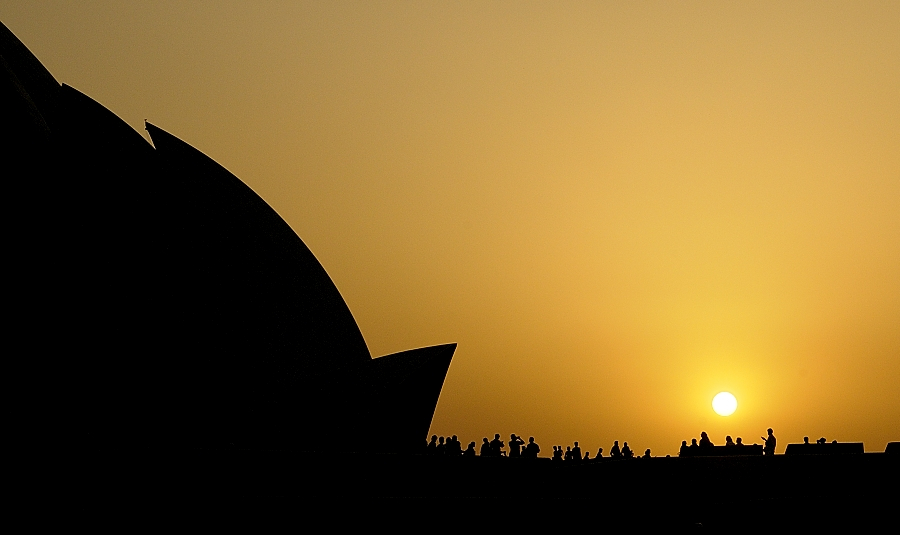
Heritage, in simple words, means all that we inherit from our ancestors: culture, traditions, monuments, language, and objects. In 1982, the International Council on Monuments and Sites (ICOMOS) decided to celebrate April 18 as the International Day for Monuments and Sites, popularly known as World Heritage Day. This day is dedicated to recognising sites of historical importance, raising awareness, and stressing the need to restore and preserve them.
As of 2025, India is home to 40 UNESCO World Heritage Sites, 32 are cultural, 7 are natural, and one, the Khangchendzonga National Park, is of mixed type. It has been recognised for both natural and cultural significance. India has the sixth-largest number of sites in the world.
Indian heritage encompasses a rich, diverse cultural legacy. Its cultural heritage is not only one of the most ancient, but is also one of the most varied. Its heritage is characterised by its secular philosophy, vibrant flora and fauna, and diverse music, dance, and performing arts.
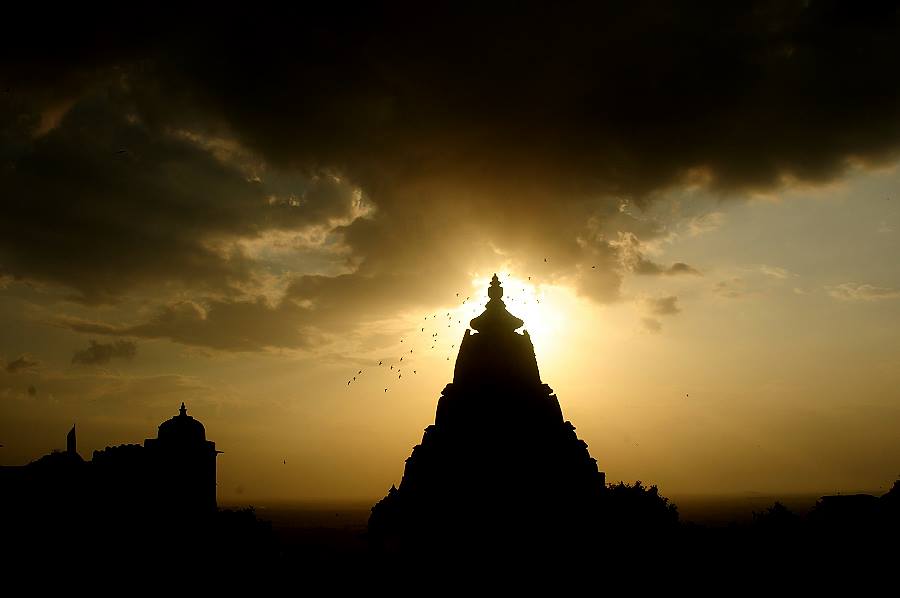
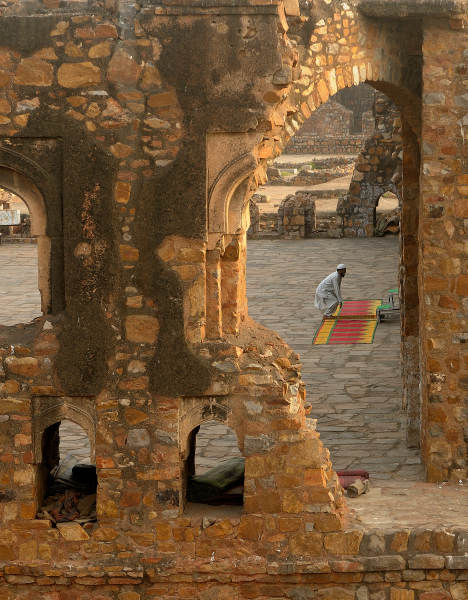
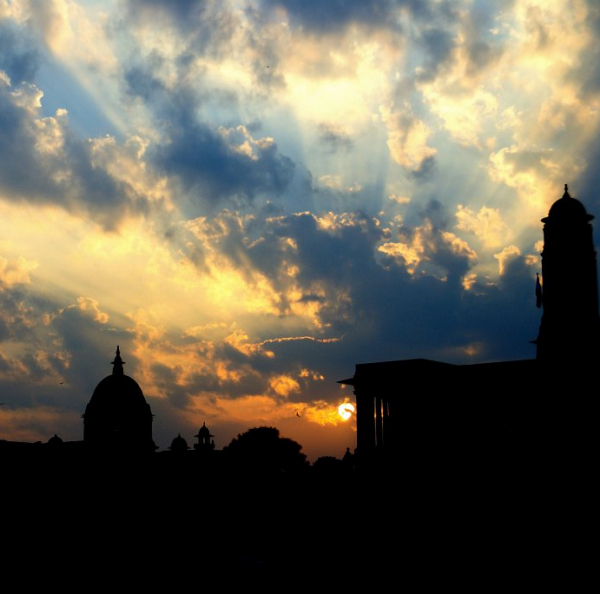
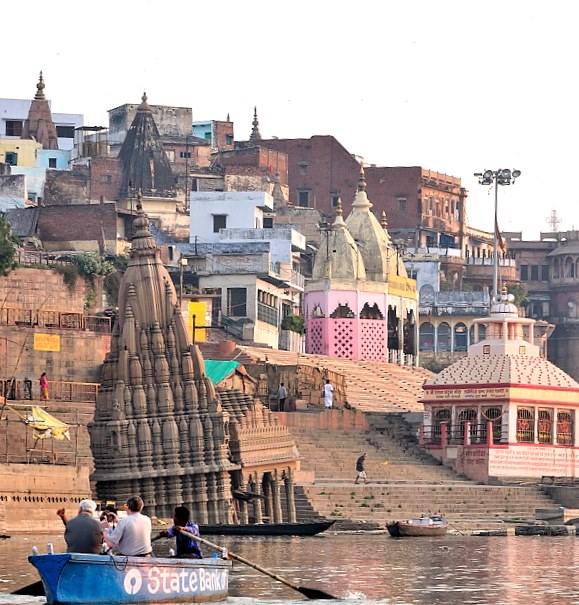
Indian history has been shaped by various religions, including Hinduism, Islam, Buddhism, Jainism, Sikhism, and Christianity, each contributing to its rich cultural fabric. Each region and community contributes to a unique tapestry of practices.
We can’t be selective about heritage. We like this, let this be preserved, that doesn’t suit us, let us disown that. We can’t discriminate: cherish what we think is worth inheriting, and throw away what we don’t like. This selective owning could be of structures, traditions, language or legends.
Indian heritage is renowned for its intricate arts and crafts. With iconic landmarks like the Taj Mahal, Qutub Minar, Temples, palaces and forts reflecting the country’s diverse architectural styles, India boasts of a unique architectural heritage. Indian heritage is rich in performing arts, including classical music, dance, and theatre.
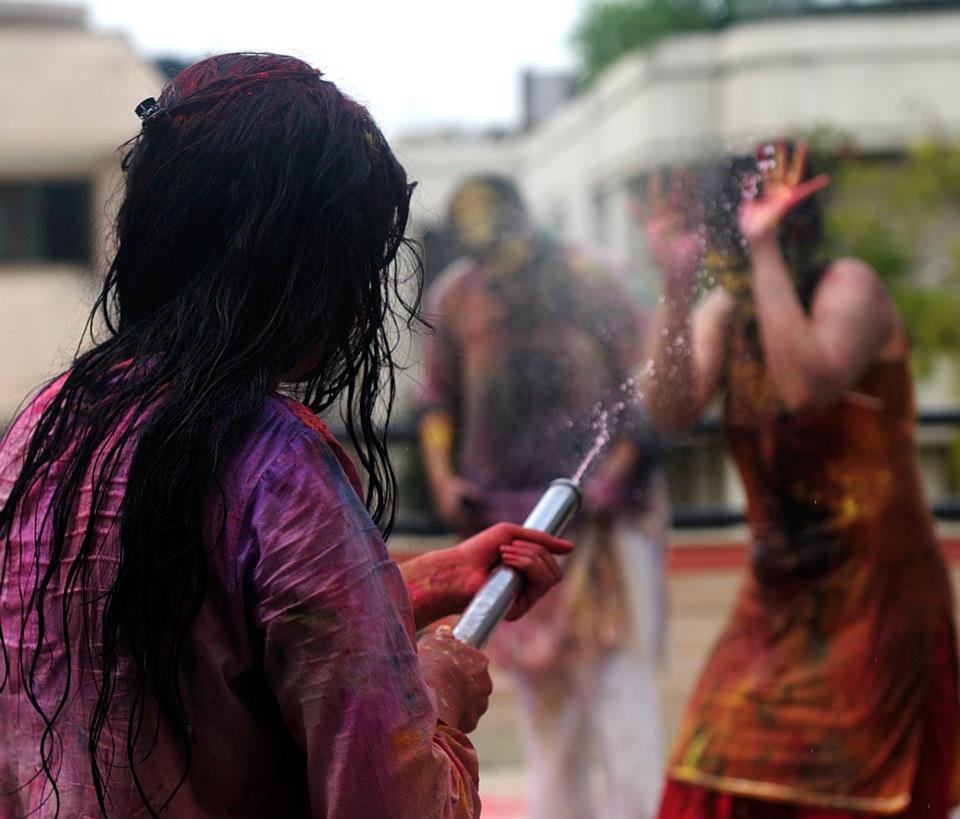

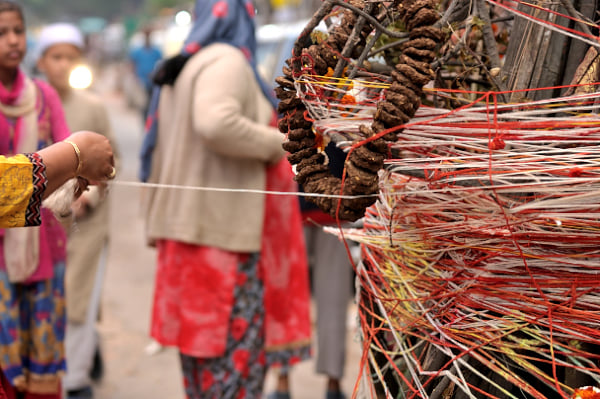
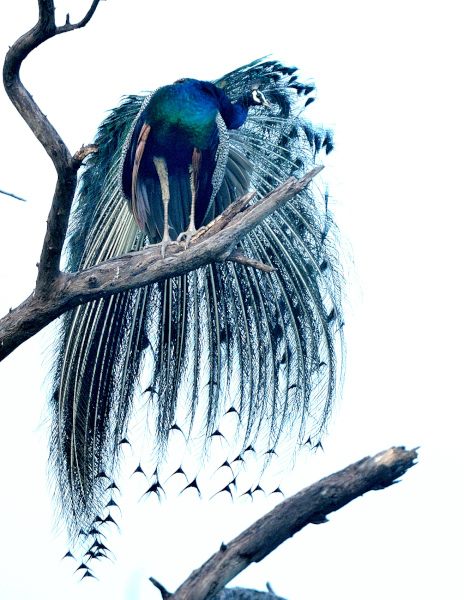
India has a rich literary tradition, with various languages and dialects reflecting the country’s linguistic diversity. Numerous traditions and customs, festivals, and rituals have been passed down through generations as part of Indian heritage. World Heritage Sites, including the Taj Mahal, Agra Fort, and the Ajanta Caves, are the pride of India. India has a rich natural heritage, with diverse ecosystems, including national parks and wildlife sanctuaries.


World Heritage Day is celebrated to raise awareness about the significance of heritage and the need to preserve it for future generations. It highlights the importance of world heritage and encourages people to take action to protect it. No generation can decide which elements are worth inheriting and which are not. Even if you don’t want to celebrate some parts of your past, you cannot disown them.
Photos and content by Prerna Jain.

 Prerna's Photographs