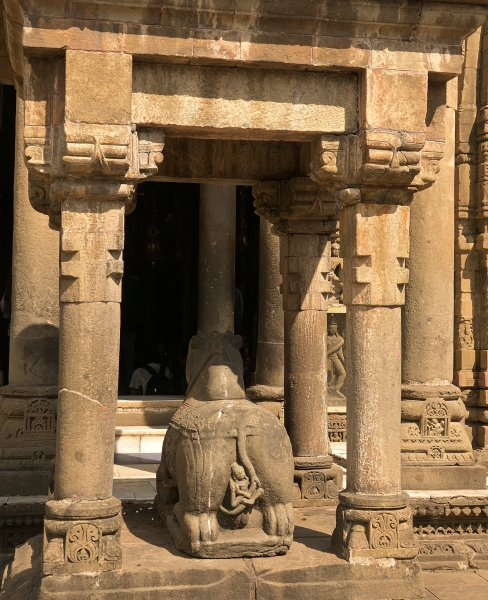
I have been to many beautiful temples and have always complained about never being allowed to click pictures of them. Cameras are not permitted on the premises of most Temples. Fortunately, there is no such restriction at the Baijnath Temple. The Dhauladhar Himalayan Range provides a stunning backdrop to this 13th-century ancient Temple, located 50 km from Dharamshala in Himachal Pradesh.
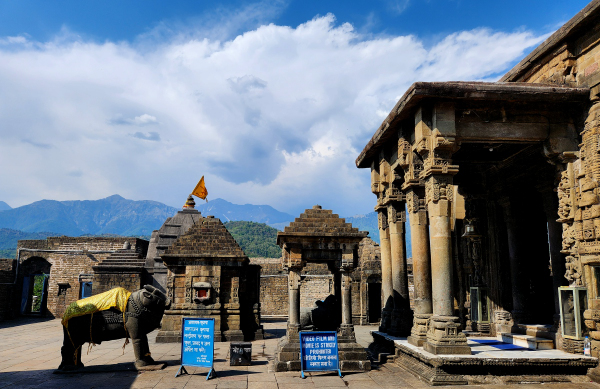
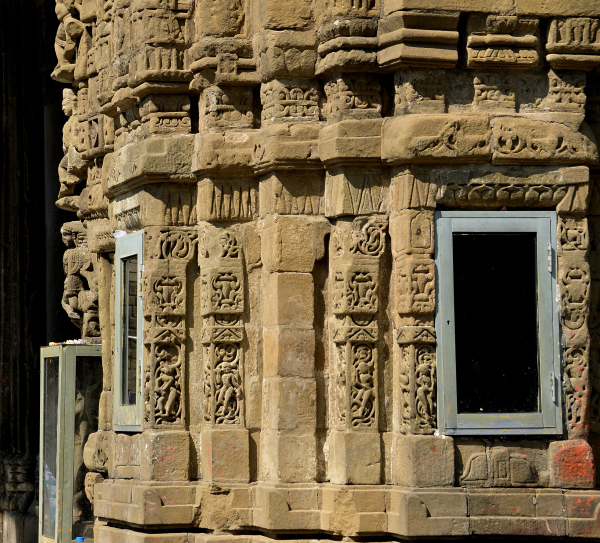
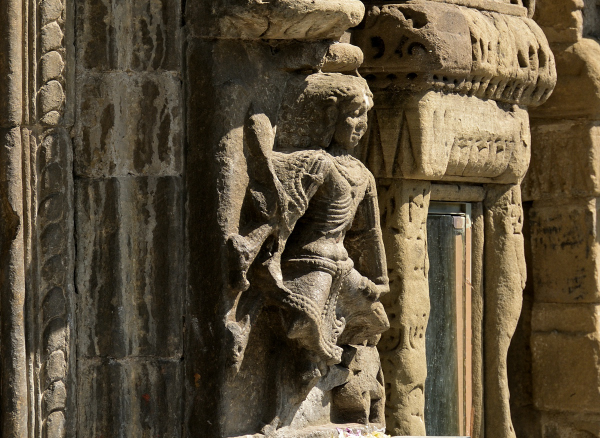
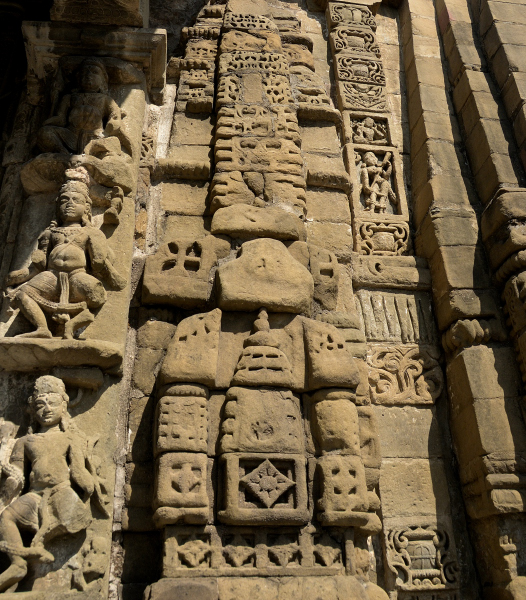
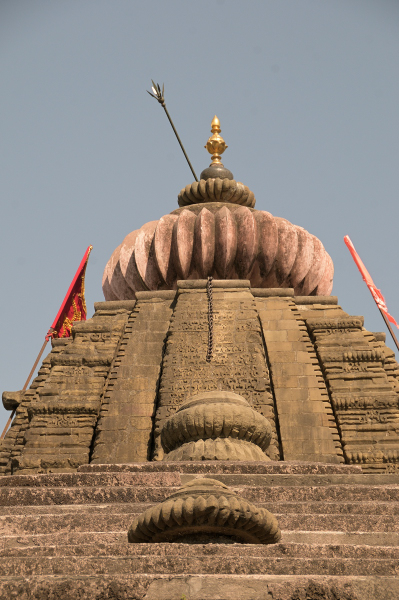
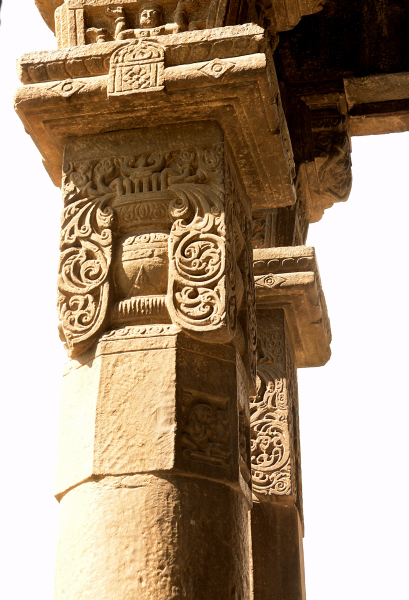
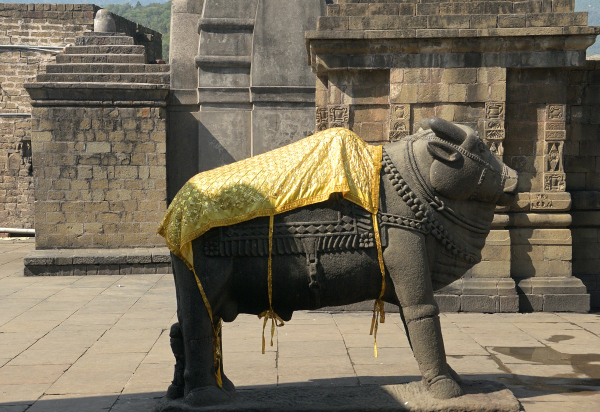
Baijnath Temple is an architectural marvel, made of stone. The temple’s architecture showcases the Nagara style, characterised by a towering Shikhara(Temple tower). The interior and exterior walls of the Temple are beautifully carved, with sculptures depicting various Hindu Deities, Goddesses, and mythological scenes. The Mandapa, a pillared hall, serves as a gathering space for devotees, while the Garbhagriha houses the sacred deity. There is a massive, single rock-carved Nandi statue at the temple entrance. As per inscriptions on the walls of the mandapa of the Temple, it was built by two brothers, Manyuka and Ahuka, who were devotees of Lord Vaidyanatha, the Lord of Physicians.


Baijnath Temple is a rare Temple in India dedicated to the worship of both the Demon King Ravana and Lord Shiva. According to legend, Ravana, a great devotee of Lord Shiva, performed a huge penance to gain the blessings of Lord Shiva. He cut off all his ten heads and offered them to the sacrificial fire. Lord Shiva was pleased with Ravana’s devotion and fixed all his ten heads. It is said that Lord Shiva transformed himself as ‘Vaidhya’ (doctor) and healed Ravana. Hence, he is worshipped here in the form of Vaidyanath. Lord Shiva uses this avatar to grant his devotees relief from all suffering. It is believed that the water in this temple has therapeutic qualities and can heal ailments.
The festival of Dussehra is not celebrated in Baijnath in respect of Ravana’s devotion to Lord Shiva. There are no goldsmiths in Baijnath. It is said that gold loses its shine at Baijnath.
“We don’t make jewellery here,” a young resident of Baijnath told me. I was surprised.
” Ravana’s Lanka was made of gold,” he explained. “Ravana committed a mistake, but he was very learned; the people of our town respect him,” he added.
Photos and content by Prerna Jain.

 Prerna's Photographs