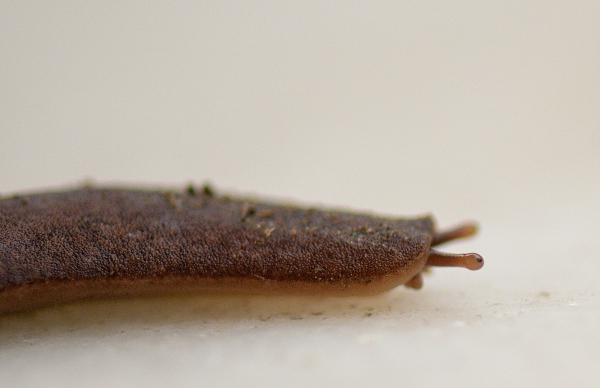
“A lazy slug” can refer to two things: a slimy mollusc in the biological sense or a lazy person. Metaphorically, this phrase is often used to describe someone who doesn’t exert much effort.
A dried slime trail indicates, slugs are active in your garden. When I saw a slug for the first time in my garden, I felt sorry for it. I thought it had lost its shell. Slugs have evolved from snails; they are snails without shells. They move by expanding and contracting muscles on the underside of their single foot. The layer of mucus secreted by the slugs provides a slippery surface to glide over. This mucus is also used as a navigation system, as slugs find their way back by following their mucus trail.
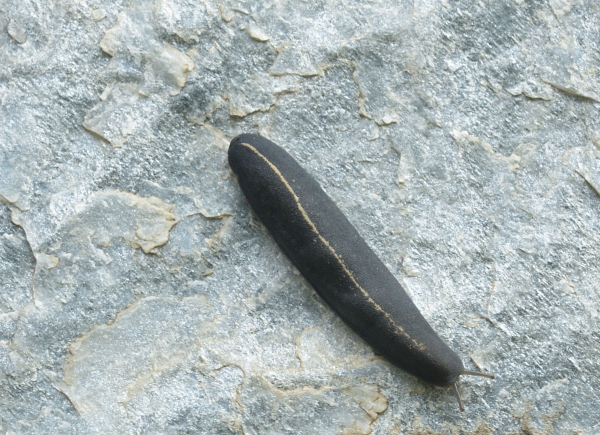
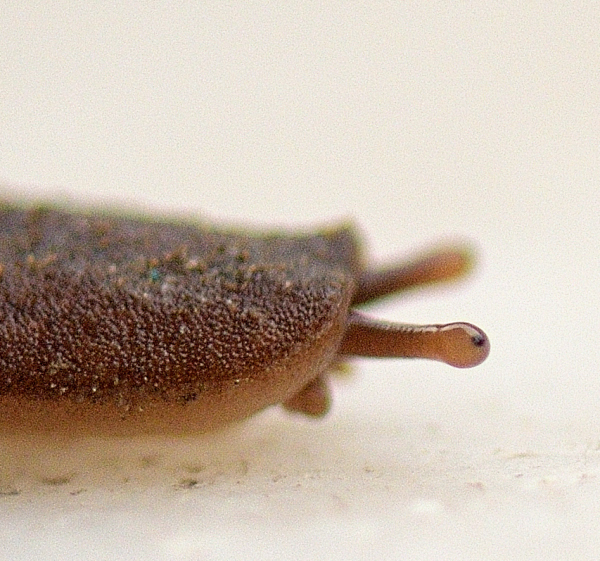
A slug has two retractable pairs of tentacles. The upper pair of tentacles is called the optical tentacles and are the eyes of a slug. The optical tentacles have light-sensitive eyespots on the tips. These are also used for smell. The lower pair are two smaller tentacles used for feeling and tasting.
There is no outer shell to protect the slug, and there is a risk of drying out in dry and warm weather. The cold and rainy season suits the slugs. When a slug is attacked by a predator, it contracts its body to make it a smaller target. The attacker could be birds, toads, frogs, etc. Mucus on the slug’s body makes it slippery; perhaps that is why birds wipe slugs on the grass before they eat them.
Slugs do cause damage to agricultural crops, but like every other living organism, slugs also have a role in an ecosystem. They provide a crucial food source for other wildlife. They are composters and help break down decomposing vegetation. Slugs like to eat leaves, flowers, fruits, mushrooms, lichens and decaying plant material.
Photos and content by Prerna Jain.

 Prerna's Photographs