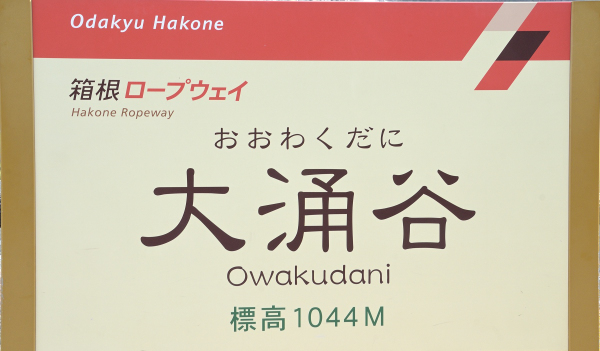
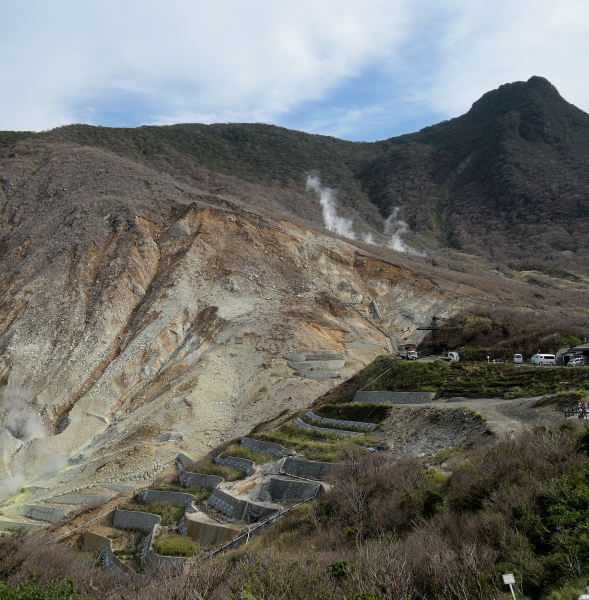
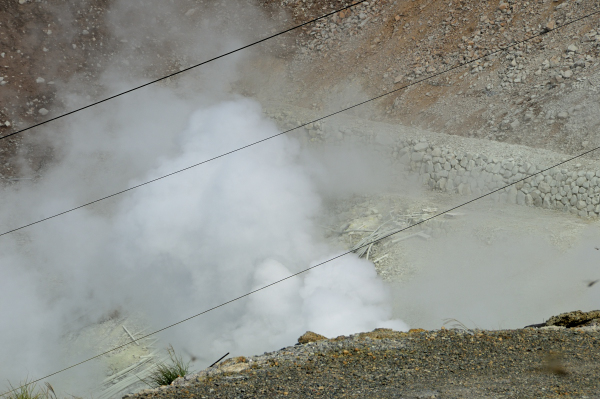
Owakudani Valley, situated in the Hakone region west of Tokyo, is a popular tourist destination in Japan. It is renowned for its distinctive sulfuric smell, steam vents, and breathtaking views of Mount Fuji. The terrain is rocky and tinged in shades of ochre and grey. There is steam pouring up through vents scattered around the mountain. Owakudani translates to “Great Boiling Valley.”

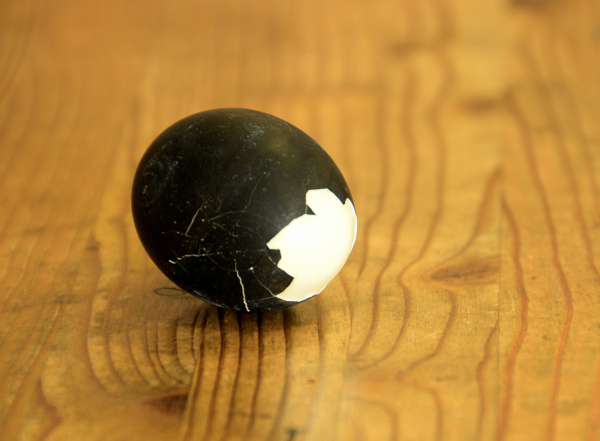
The Japanese black egg, also known as Kuro-Tamago, is a unique culinary delicacy originating from the Owakudani Valley. These black eggs are regular chicken eggs. The way they are boiled makes them special. These eggs are cooked in natural spring water and then steamed in steel baskets. As the eggs cook, a chemical reaction occurs: The iron in the water reacts with the hydrogen sulfide gas, resulting in iron sulfide, which gives the eggshells their distinctive black colour. They smell like sulfur. The exterior is dark, but the inside of the black egg is tender and white like a regular egg. Eating these eggs is believed to add seven years to your lifespan. You cannot, however, immortalise yourself by eating innumerable eggs. The life-extension benefits are said to max out after consuming two eggs.
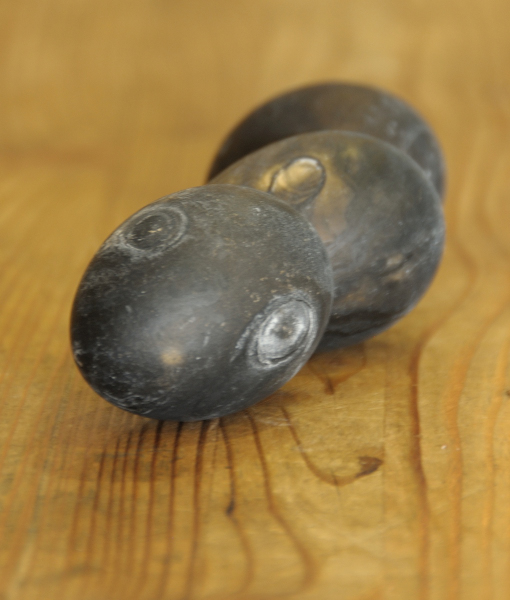
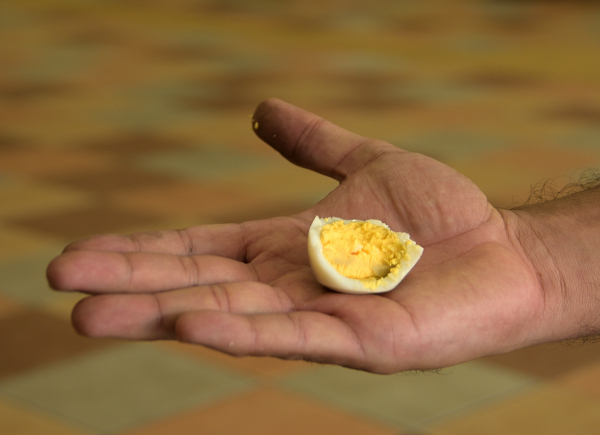
Owakudani is home to Enmei Jizo, a statue said to have been carved by the Buddhist monk Kobo Daishi about 1200 years ago. This statue is said to grant longevity and protect children, a belief that has evolved into the belief that consuming black eggs could extend one’s lifespan. Number seven is considered lucky in Japan; perhaps that is why seven years.
The black eggs are not just a culinary treat; they are a fascinating part of Japanese culture. There is no scientific evidence to prove the longevity myth, but the ritual of peeling a black eggshell while gazing over the steaming valley is an integral part of the beautiful Owakudani experience.
Photos and text by Prerna Jain.

 Prerna's Photographs