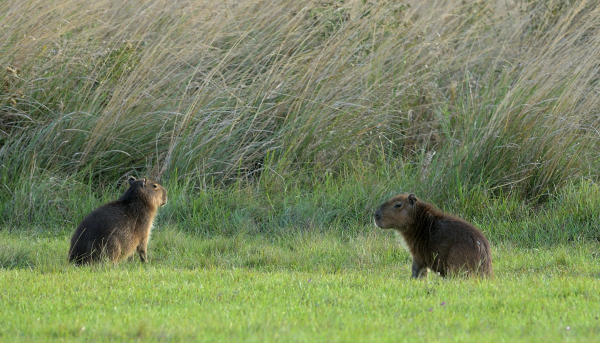
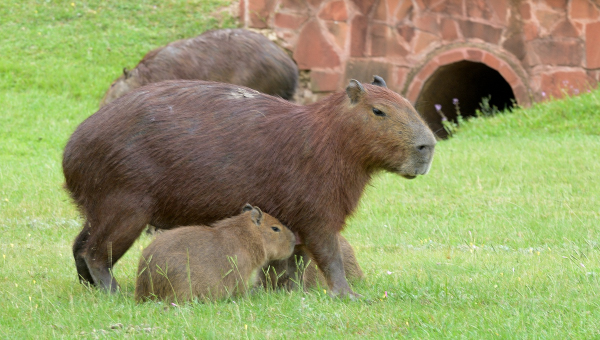
I saw a family of capybaras standing partially submerged in mud. A few metres away, another capybara family, a mother feeding her babies, and a tiger heron perched on a tree, showing off its beautiful feathers. It was difficult to believe that three decades ago, Ibera was just a degraded backwater. Commercial forestry, illegal hunting, and cattle ranching had taken a toll on the land and the ecosystem.
The Ibera Wetlands (Esteros del Ibera) are located in north-east Argentina, in the Corrientes Province, around 640km north of Buenos Aires. This vast wetland is filled with natural rainwater and is the world’s second-largest body of fresh water. It is home to 360 bird species, and a stunning array of animals and plants. It hasn’t always been this way.
The revival of the Ibera Wetlands is the result of the foresight of Doug and Kris Tompkins. They helped restore the magnificent biodiversity of the Ibera Wetlands, species by species. In the 1990s, husband-and-wife entrepreneurs Doug and Kristine Tompkins moved to South America from the US. The couple bought large tracts of land from cattle ranchers. They soon realised that many Ibera residents, such as the jaguar, giant otter, tapir and giant anteater, had completely disappeared. Many other species, such as the pampas deer, were on the brink of disappearance. They began the rewilding process, removed cattle, horses and fencing, and reintroduced giant anteaters, pampas deer and collared peccary (a pig-like mammal).
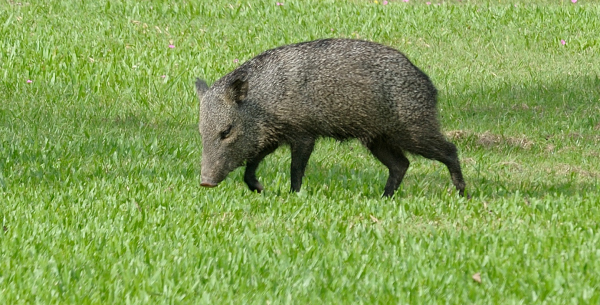
The wetlands are gradually returning to their natural state. Grasslands and wetlands are being restored. Species such as giant anteaters, tapirs, jaguars, ocelots, and collared peccaries are being reintroduced in the wild. Populations of other animals, including pampas deer, are being reestablished.
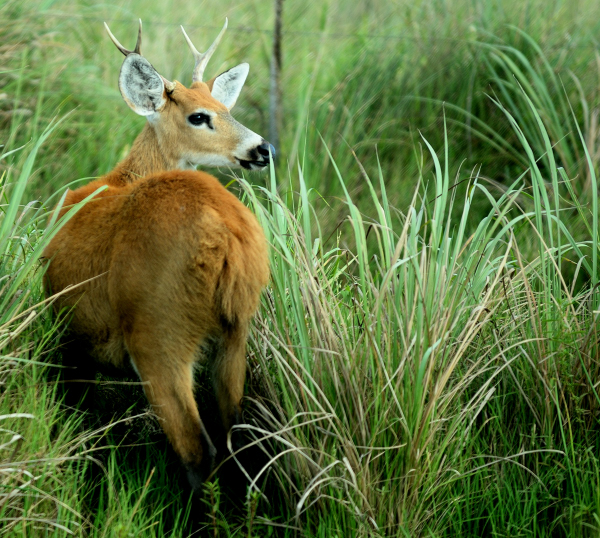
Exploring Laguna Ibera from the water was a beautiful experience. Our boat journey took us slowly through the wetlands. Yacare caimans were warming themselves with their mouths agape. At sunset, the surface of Laguna Ibera glimmered. A pampas deer whose velvety antlers were just visible above the reeds snorted. Egrets, herons, kingfishers, ibis, storks and a wide range of other birds were sighted. During our drive back from the Laguna Ibera, we saw a grey fox, a caracara, and a few rhea birds(an ostrich-like bird native to South America).
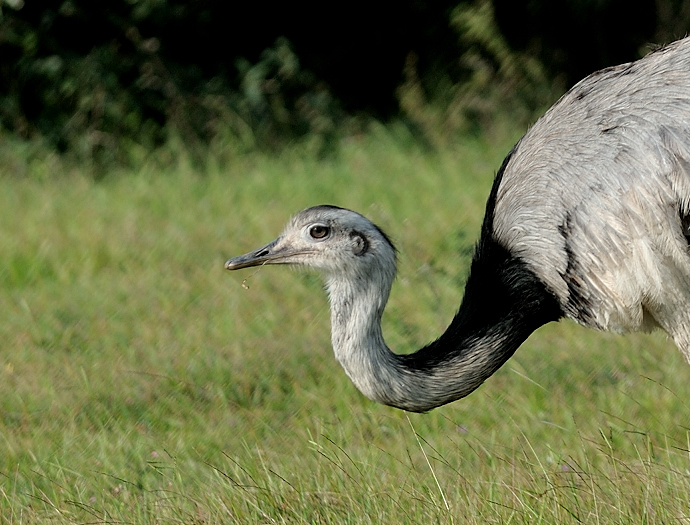
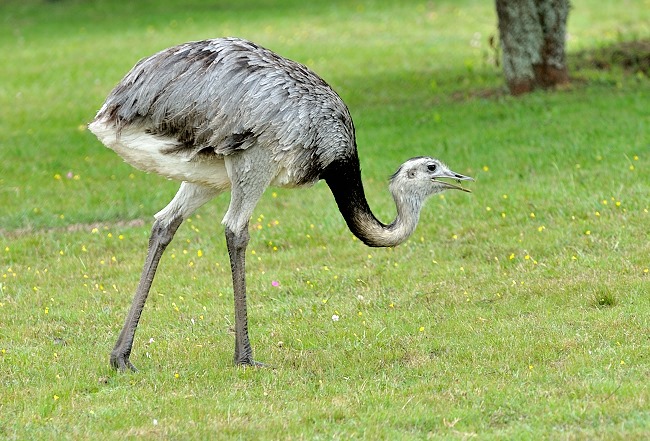
Rhea walked elegantly, shaking their wings and pecking at vegetation.
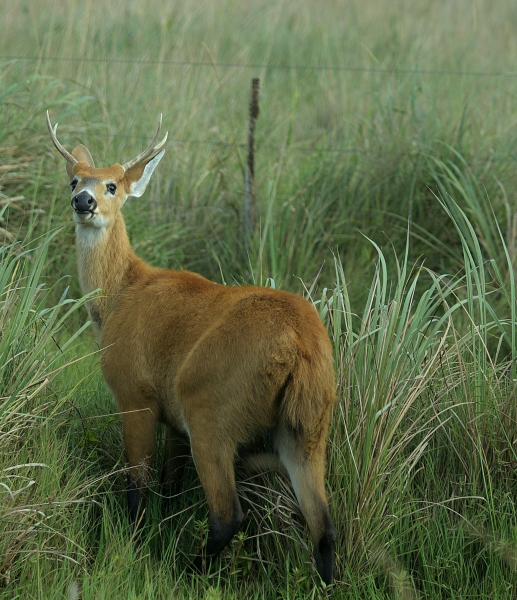
Marsh deer with its velvety antlers visible above the reeds.
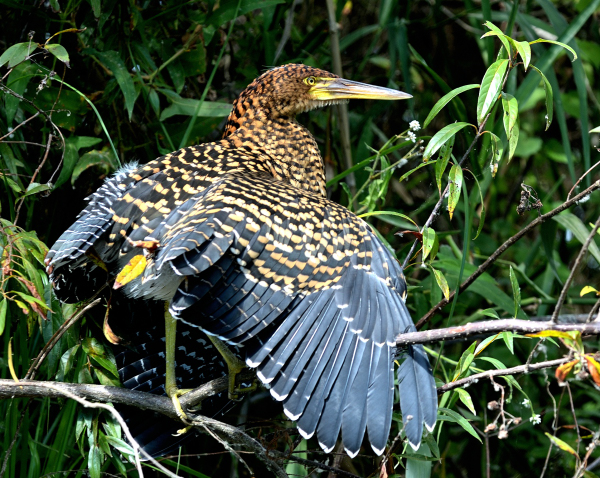
Tiger Heron in the Ibera wetlands.
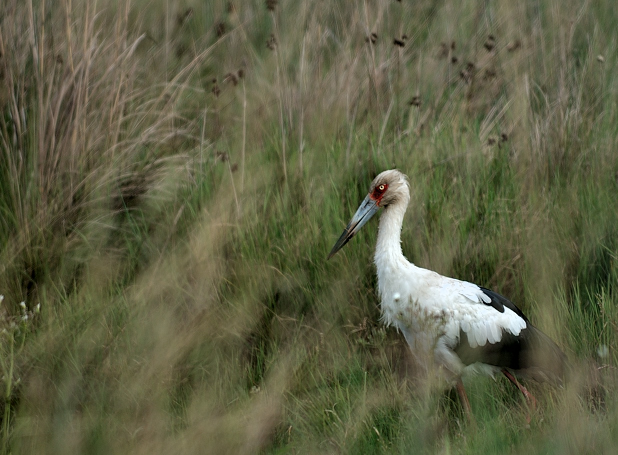
Maguari stork
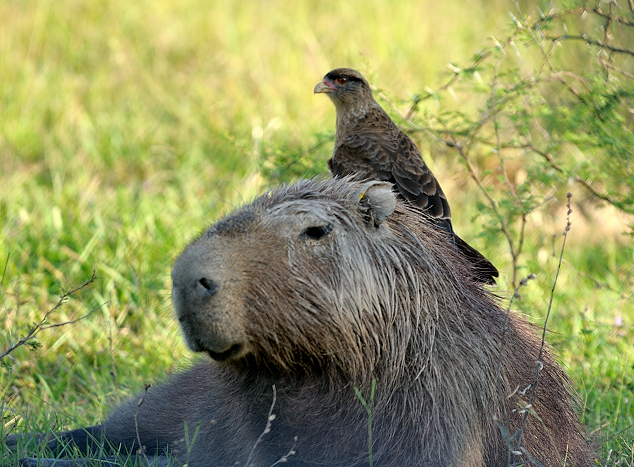
Capybaras, the world’s largest rodents, are referred to as “nature’s ottoman” or “moving chairs.” Birds, monkeys, rabbits and other small animals can be spotted seated, perched on the back of Capybaras.
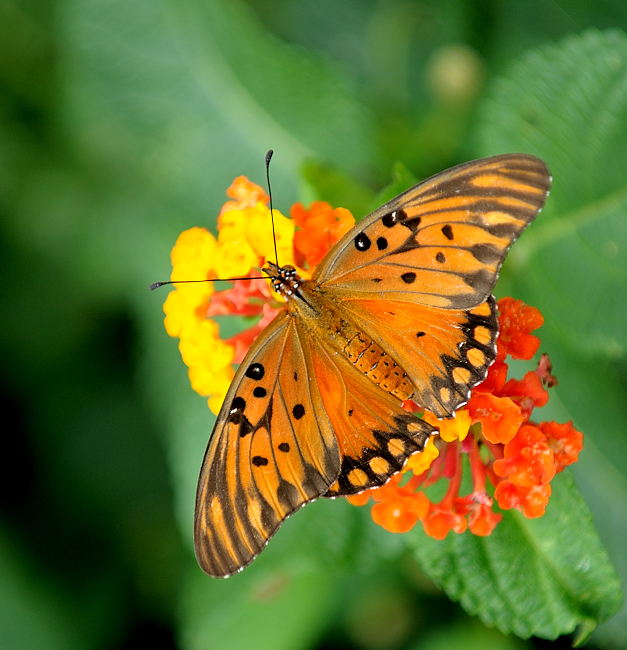
Passion butterfly (Agraulis vanillae) on Lantana camara.
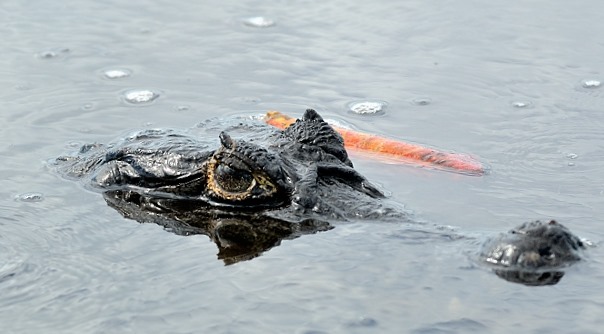

Yacare caiman are fierce predators. They lie still in the water and attack when their prey approaches them.
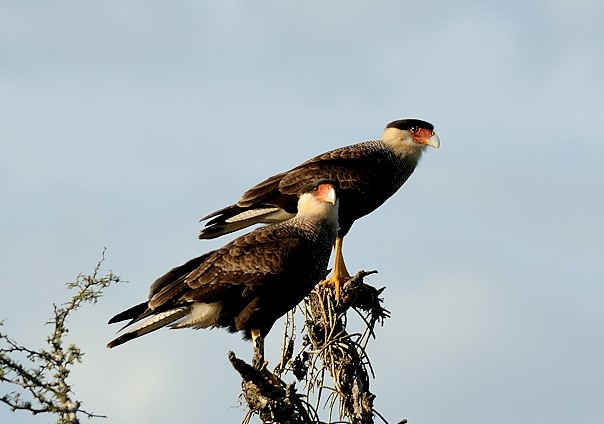
Crested Caracara (Polyborus plancus)
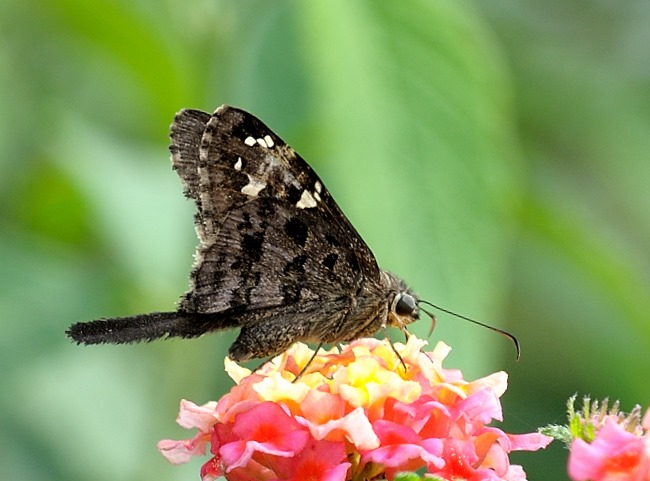
Long-tailed Skipper Butterfly
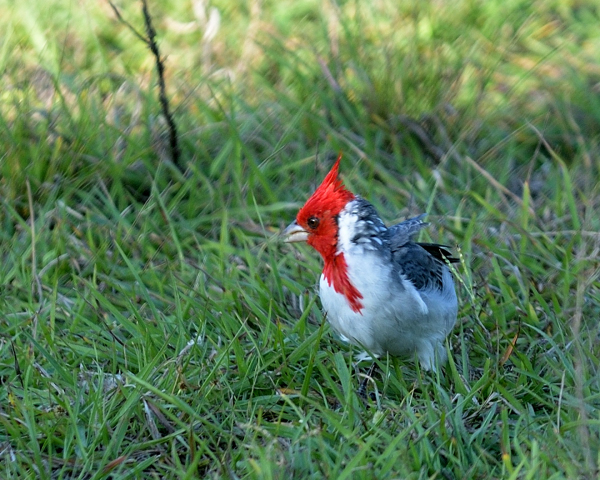
Red-crested Cardinal
The wetlands are gradually experiencing a return to their natural state, with grasslands and wetlands being restored. Rewilding Argentina has been actively reintroducing species such as giant anteaters, tapirs, jaguars, and ocelots, as well as reestablishing populations of other animals, including pampas deer and collared peccaries.
The Ibera Wetlands revival is considered one of the most ambitious rewilding programmes. It has demonstrated the positive impact of conservation efforts on biodiversity and ecosystem restoration. The rewilding efforts and increased tourism are benefiting local businesses, promoting sustainable economic activities and creating jobs for the local community.
Photos and text by Prerna Jain.

 Prerna's Photographs