
Every generation has one common complaint: their generation was better than the present generation. I don’t think it is a good idea to compare two generations. The situation and conditioning of every generation are different from the generation before it, or the next generation. You can’t compare what happened fifty years ago, good, bad, or ugly, to what is happening now. It is unfair; the financial conditions, societal attitudes have changed. It is like comparing apples and oranges.
A mother of two young children complained, “Our youngsters today are oblivious to values”. Her daughter responded with a grin, “Not really, we are fully aware of the values of dollars and euros”. Her Mother was not amused. I am learning to sympathise with her anguish.
I visited a relative who was bragging about her children’s achievements (and not without reason – both her children have outperformed other kids of their age in many fields). However, I don’t know if they have done so well socially, in learning good manners – these young children were sitting comfortably in the lounge while their elders had to stand for want of seats. This made me very uncomfortable. It wasn’t about strangers standing in a bus or a train; it was their own aunts and uncles, visitors to their house. If my children were lacking in basic courtesy, I don’t know if I would be able to boast about any of their other achievements with the same confidence as this lady I visited. Is it a difference in upbringing/schooling or the cut-throat competition which is responsible for a child’s attitude to other people? I don’t mean to say that children who excel are never courteous, but rather that proper behaviour is as important, if not more important, than materialistic achievements.
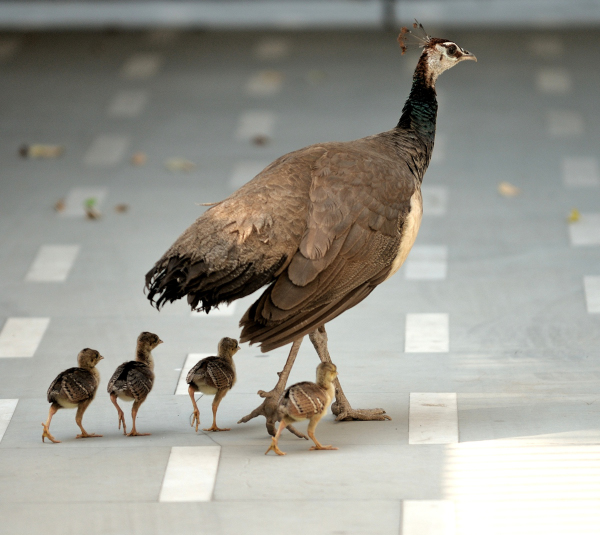
Parenting is a tough job, and nobody can ever claim to be a perfect parent. However, there are some principles which are beyond the scope of compromise. We have inherited these principles from our parents and grandparents, and we have to pass them on to our kids. When we were young, we had a lot of interaction with our grandparents, and we would often see our parents and neighbours behave respectfully towards them. Even if we were not taught these manners in so many words, we learnt by their example. I remember as a kid, I used to be quite amused by the sight of all the young bahus (daughters-in-law) of the neighbourhood covering their heads and abandoning their carefree laughter for hushed conversations and low giggles when they saw my grandfather. He would go indoors as soon as he realised that he was making them uncomfortable. There was not a word exchanged, but as for respect and care, both sentiments were in plenty. It was a symbol of patriarchy, I have no doubt about that. Why should daughters-in-law be expected to hush in the presence of elders? Of course, the sight has become less common now as elders and youngsters enjoy each other’s company these days and with neighbourhood support systems gradually waning, they need company. I am glad that things have changed in my generation; there was no such protocol needed. However, I don’t think I would be comfortable sitting if anyone older than me was standing for want of space.
I understand that change is an essential part of life. I am not opposed to changing traditions or adjusting priorities. Children have to face challenges that were not faced by earlier generations. The other truth is that they are excelling today because of the abundant opportunities available to them and their own hard work. However, to change something for good should not cost the very thing that makes it beautiful. What use is it, after all, to buy a vase if the flowers that it would hold would first have to be sold?
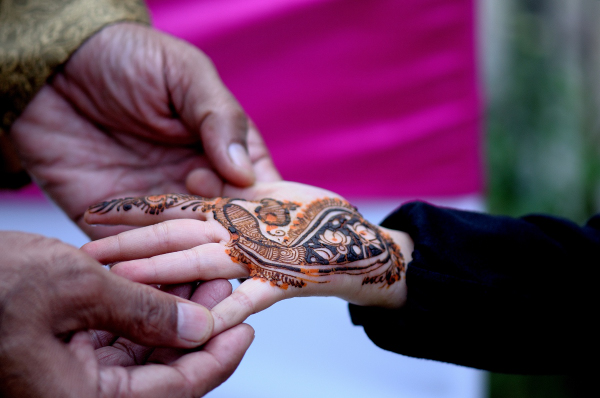


 Prerna's Photographs