Rivers have been vital for the development of civilisations throughout history. They not only provided water for drinking and agriculture, but they also served as natural highways. La Boca, a neighbourhood in Buenos Aires, is very popular with tourists. It owes its name to its geographical position at the mouth of the Riachuelo River. ‘La Boca’ translates to ‘the mouth’ in English. Proximity to the river is the very reason for La Boca’s existence and demography.
Built near the city’s old port, La Boca is one of the oldest “working class” neighbourhoods in Buenos Aires. It was settled in the 19th century, mostly by poor Italian immigrants from Genoa. The neighbourhood consisted of shipyards and houses for the workers. The houses were built with leftover building materials, wood, planks, sheet metal and corrugated iron. The neighbourhood’s location near the port meant that there was often a surplus of paint left over from ships and other port activities. The unused paints were used to paint these houses. There wasn’t enough paint of the same colour to cover an entire house, certainly not enough to colour one structure with two stories in one colour. The houses became a colourful patchwork. The result was a multicoloured neighbourhood.
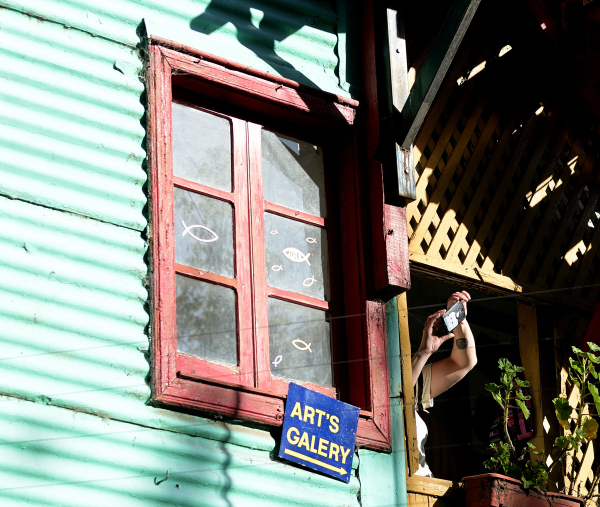
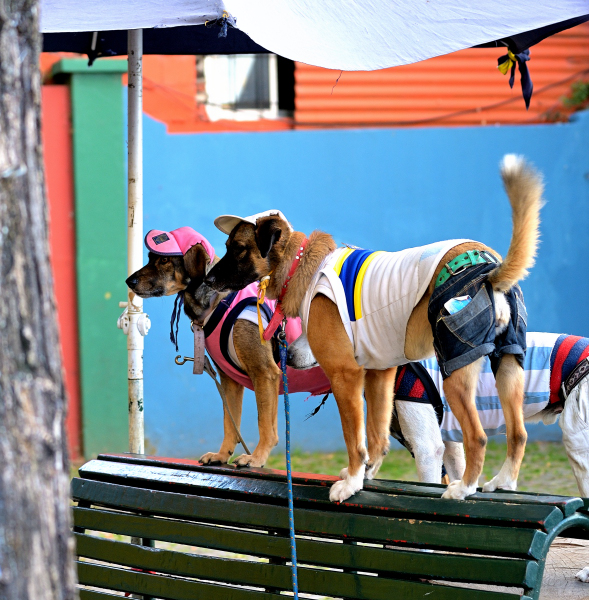
When a new port was built, people moved out of the area, and the area fell into decline. La Boca’s revival began in the 1950s. Benito Quinquela Martin was an Argentine painter born in La Boca. He painted the walls of an abandoned street of houses in bright colours and erected a makeshift stage for performers. The street is now known as Caminito (little path). It soon became a haven for street artists, tango dancers and performers.
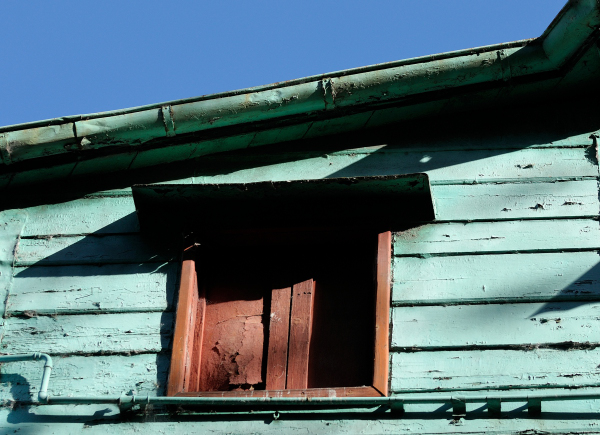
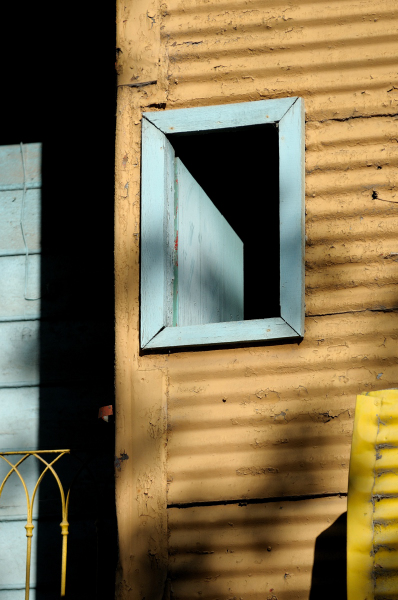
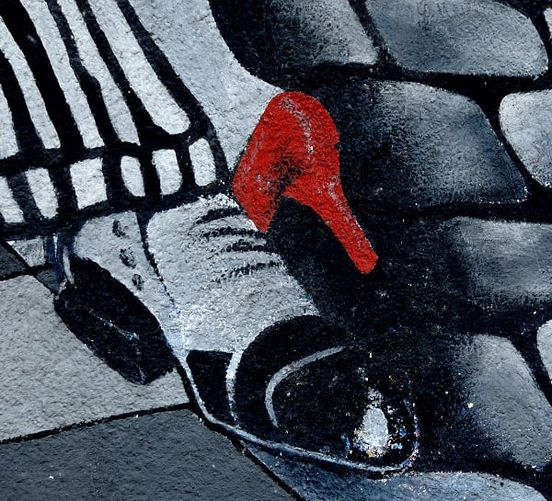
The neighbourhood’s renovation prevented the demolition of existing structures. Reused and recycled materials were used in construction. The architecture of La Boca has evolved, some houses have been renovated, but the vibrant colour scheme has stayed. Murals and artworks, some football-related, can be seen in the streets of the neighbourhood. The street art reflects La Boca’s history and culture, and is an important part of its identity.
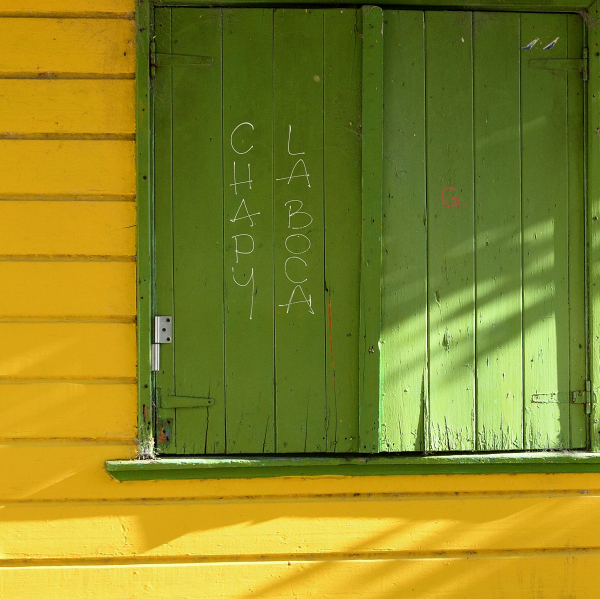
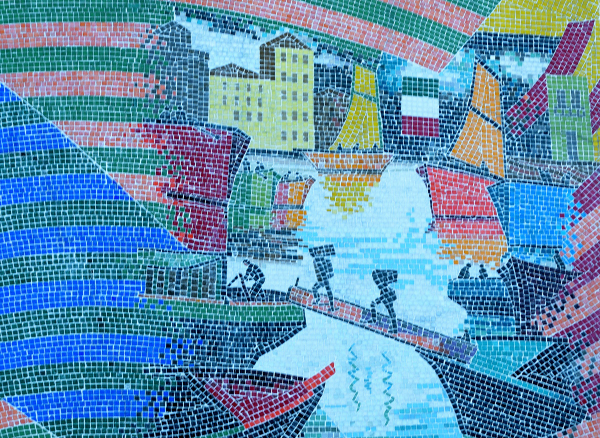
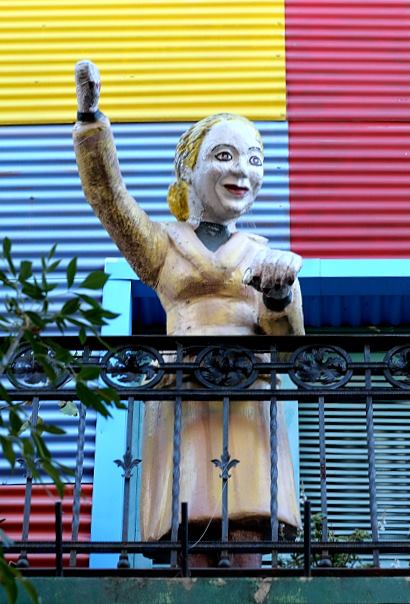
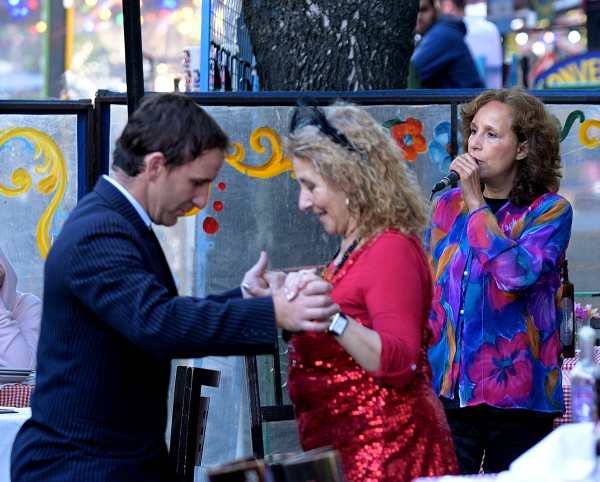
Walking around Caminito is a beautiful experience; the buildings, the stairs, even the cobblestones on the streets are painted in bright colours. There are giant papier-mâché statues of famous figures, as well as cardboard cutouts through which you can stick your head, perfect for photos. Open-air tango dancers entertain visitors at the outdoor cafes. Life-size mannequins of Diego Maradona, the Pope and Eva Peron can be seen leaning over wrought-iron balconies.


Tango is a dance form synonymous with Buenos Aires. It is said to have originated in La Boca. You can see costumed couples perform the tango on street corners.

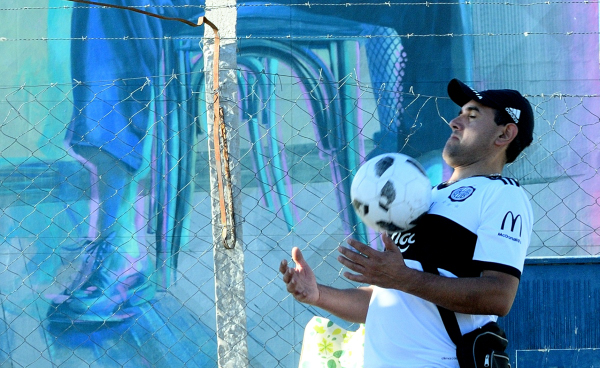
La Boca is known for its soccer fans. The Boca Juniors football team is a rallying point for the La Boca community. Team colours and memorabilia can be seen everywhere in Boca. The neighbourhood continues to evolve, attracting tourists with its unique blend of history, culture, and artistic expression.
Photos and Text by Prerna Jain.

 Prerna's Photographs