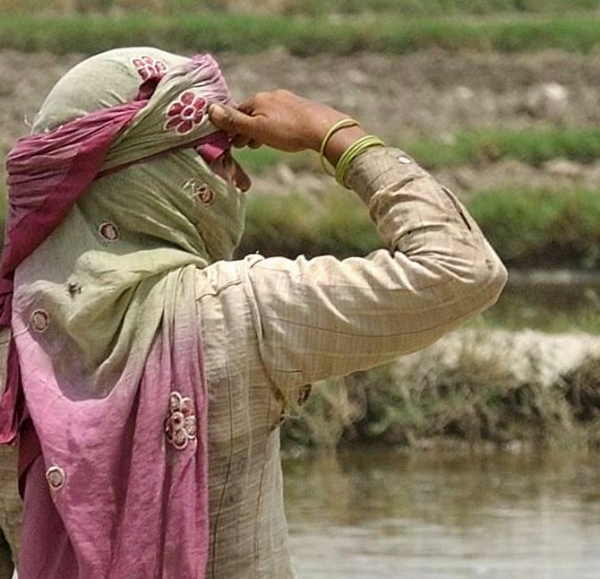
“Why show your face to people who don’t want to see it?”
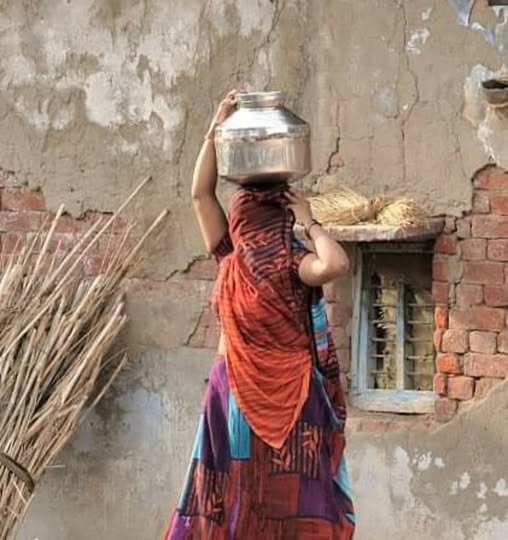
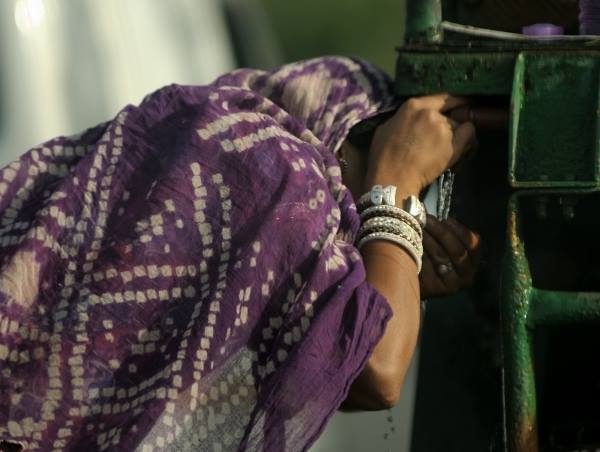
This was the elder sister’s reaction to her newly married younger sister’s complaint. Her in-laws expected her to wear a ghungat. A ghunghat is a head covering worn by some married women to cover their faces. It is the loose end of a sari (aanchal or pallu), pulled over the head. A long scarf (dupatta) can also be used as a ghungat. The elder sister’s sense of humour still brings a smile to my face. This incident took place nearly half a century ago. I was a child then. Neither the question nor the answer bothered me at that time. Now it raises many questions in my head.
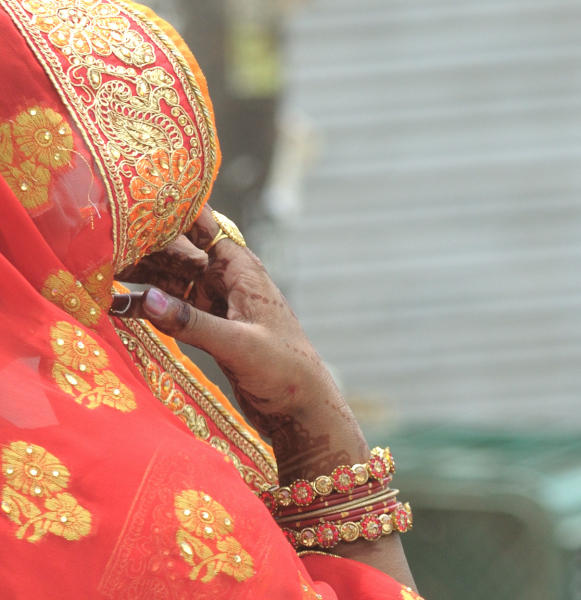
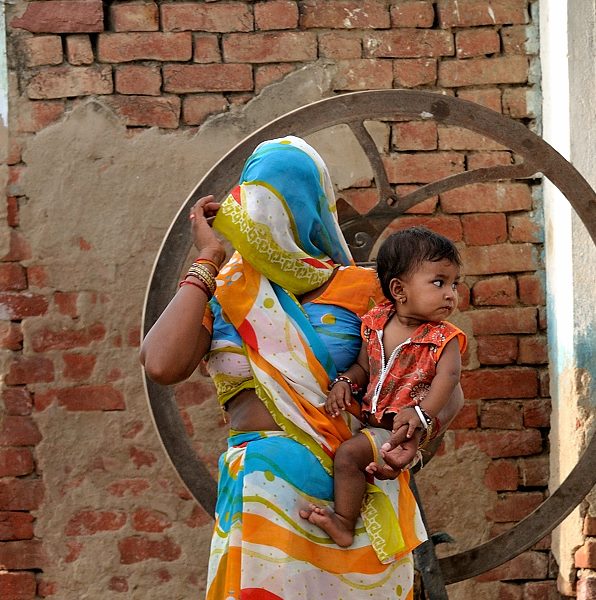
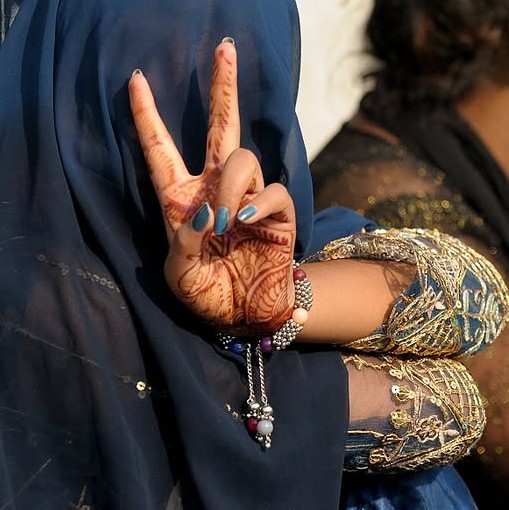
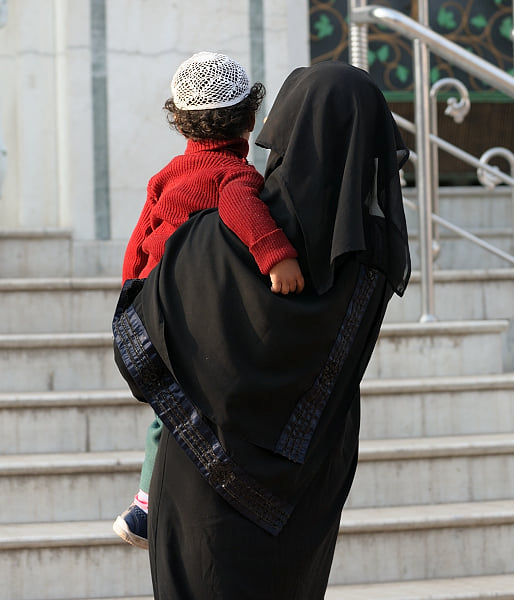
Ghunghat or its Islamic version, hijab, is prevalent in many regions of India. A large number of Indian women cover their heads, if not faces, especially in the ‘Hindi belt’. Women wearing veils are a common sight in Northern and Western India.
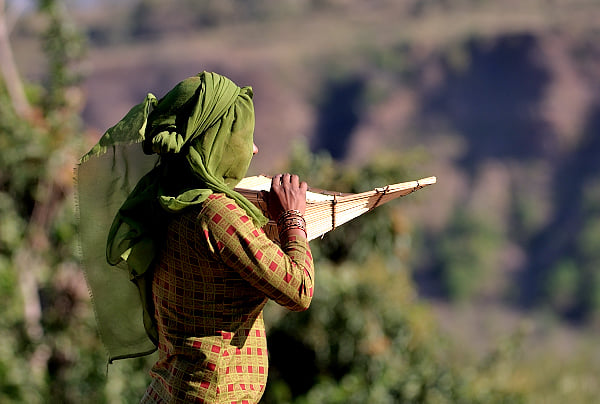
Is it possible that a veil, which is considered a patriarchal tool of oppression, a symbol of piety by others, can be an act of defiance? My journeys in rural India made me realise that women behind the veil were not always weak and powerless. Women wear veils for various reasons. I saw strong, determined women with their faces hidden behind veils. Their body language was confident, and they seemed assured. I saw some of the most beautiful smiles on faces hidden behind the veil. Some had their heads covered, not because of societal pressure but to escape the hot summer sun.
I talked to some women who were wearing veils. Some of them had accepted this controversial stretch of fabric because they wanted to choose their battles wisely. They might not be allowed to leave the house if they refuse to wear the veil. Some others wear it because of their conditioning. They don’t feel confident if they move out without a veil.
“Without a veil, we feel as if everyone is staring at us,” one of them commented.
“Hijab is not an inhibiting force in my life; it is a symbol of my identity. My veil is not my weakness,” a literate, financially independent woman told me.
However, in most cases, women had no choice but to follow social norms and traditions. I remember a woman lifted her ghunghat when she saw me clicking pictures. She wanted me to take a photo of her beautiful face.
While talking to a very chirpy young woman in Haryana, I was surprised when she suddenly pulled her dupatta (long scarf) over her face. “I am supposed to wear a ghunghat as a form of respect for my elder brother-in-law,” she said. I hadn’t seen him walking in our direction.
“When she wears a ghunghat, not only does she respect her elder brother-in-law, she brings respectability to her own family,” her sister-in-law commented.
I was reminded of a couplet by the famous Urdu poet, Zehra Nigah-
छोटी सी बात पे ख़ुश होना मुझे आता था
पर बड़ी बात पे चुप रहना तुम्ही से सीखा
ज़ेहरा निगाह
( I knew how to be happy about insignificant moments, you taught me how to keep quiet about big happenings.)
Photos and text by Prerna Jain.

 Prerna's Photographs