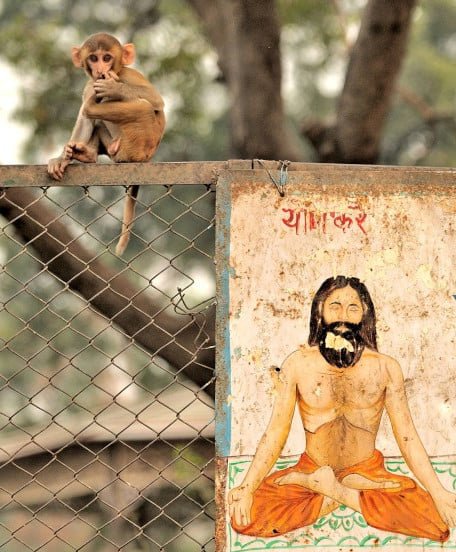
Yoga practices have evolved over the centuries. Different lineages and Yogic traditions have emerged, with varied approaches to inclusivity. For mental and physical health, Yoga is relevant all year round. It is especially a topic of discussion on 21st June every year, as it is celebrated as the International Yoga Day.
A less talked-about story is that of Matseyndranath, the guru of Gorakhnath. He is credited with making yoga accessible to women in the Ninth Century. The word ‘matsya’ means fish; Matseyndranath translates to ‘Lord of the Fishes.’ Legends have it, Matseyndranath was thrown into the ocean by his parents as he was born under an inauspicious star. He was swallowed by a fish. He lived inside the fish for many years. The fish swam to the bottom of the ocean, where Lord Shiva was teaching the secrets of yoga to his consort, Devi Parvati. Matsyendra overheard the secrets of yoga. He started practising it inside the fish’s belly. After twelve years, he emerged as an enlightened ‘Sidha’. This is the story behind his being credited with receiving the knowledge of yoga from Lord Shiva himself. Gorakhnath, his disciple, is known for further developing and popularising Hatha Yoga.
From cobras to dogs to cats and peacocks and many more, yoga asanas are said to have been inspired by animal postures. Our ancestors knew there was much to learn from animals, birds, insects and trees.

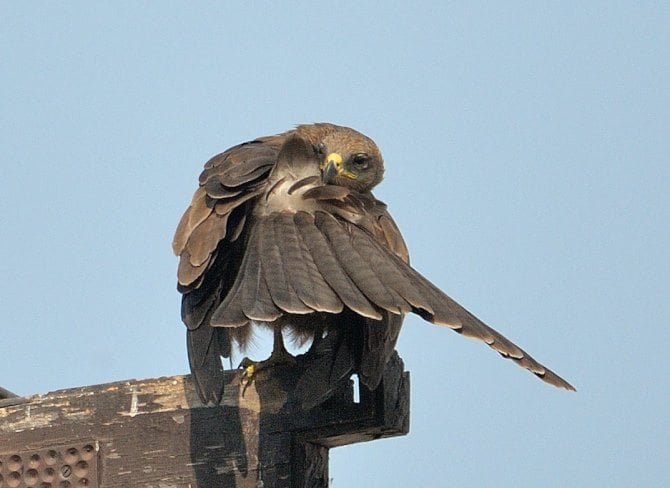
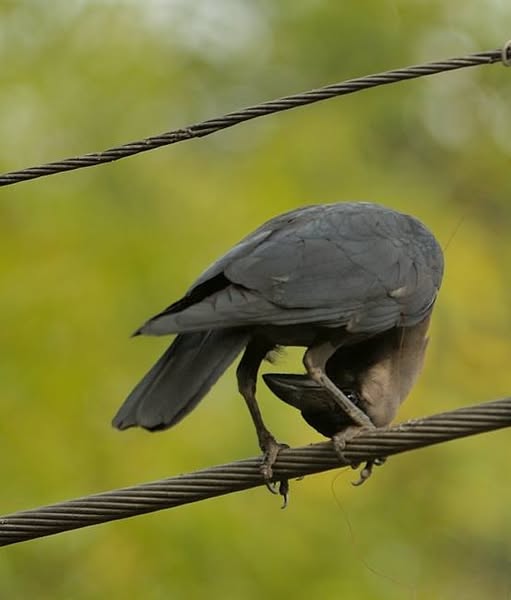
Beyond doubt, Yoga can play an important role in making the world a healthy place. Yet, all the sights of Yoga being performed around the world, on International Yoga Day, remind me of what Shakespeare said, “All the world’s a stage, and all the men and women merely players.”
Yoga is supposed to strengthen the spine. Can we expect fewer spineless people after the massive success of Yoga Day?
Photos and text by Prerna Jain.

 Prerna's Photographs