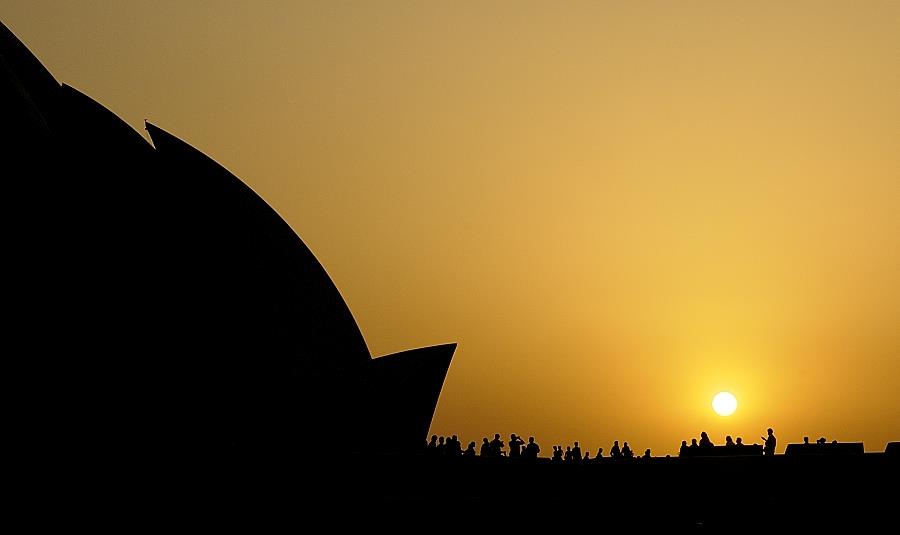
The historical city of Delhi is renowned for its diverse and rich architectural landscape. It is a city with over 170 historical monuments and sites and is home to three UNESCO World Heritage sites: the Qutub Minar, the Red Fort, and Humayun’s Tomb. Amidst all these historical monuments, the Lotus Temple, built in the 20th century, is one of the most visited tourist attractions in Delhi.
Designed by Persian architect Fariborz Sahba, the Baha’i House of Worship, popularly known as the Lotus Temple, is hailed as an architectural masterpiece. Known for its unique architecture and craftsmanship, it is located in the south of New Delhi. It is one of the 7 Baha’i Temples in the world. The Baha’i Faith was founded in Persia (present-day Iran) in the 19th century. It welcomes anyone into its Temples and allows the texts of other religions to be read aloud or chanted. It teaches the unity and equality of all people and religions. Like the other Temples of the Bahai faith, people of all races, religions, and nationalities are welcome to pray and meditate within the precincts of the Lotus Temple.
It is designed in the shape of a lotus, a half-opened lotus flower with 27 petals. 3 rows of 9 petals. It is surrounded by 9 ponds, all in the shape of lotus petals. It is ringed by nine arches, which provide support to the structure. There are no idols, photographs or priests inside the Lotus Temple.
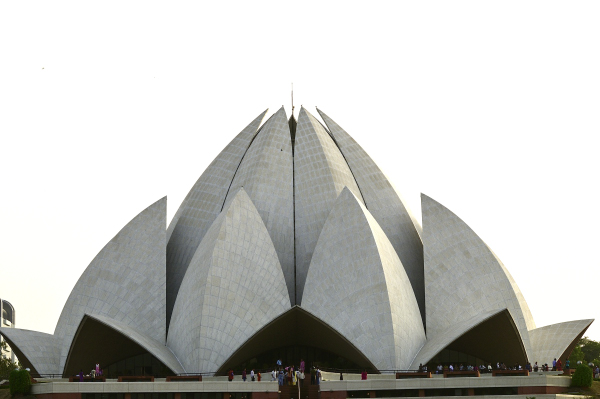
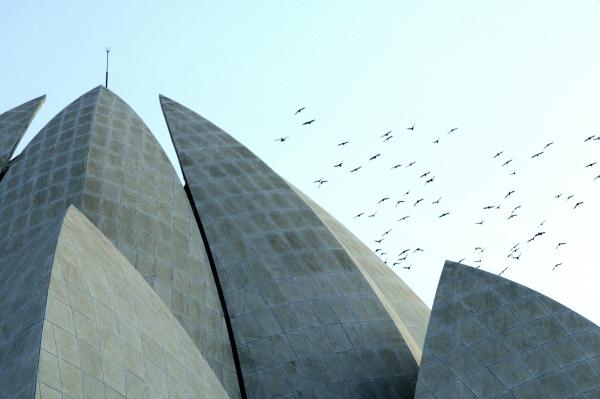
The lotus is the national flower of India. It is omnipresent across religions and is associated with purity, spirituality, and knowledge.
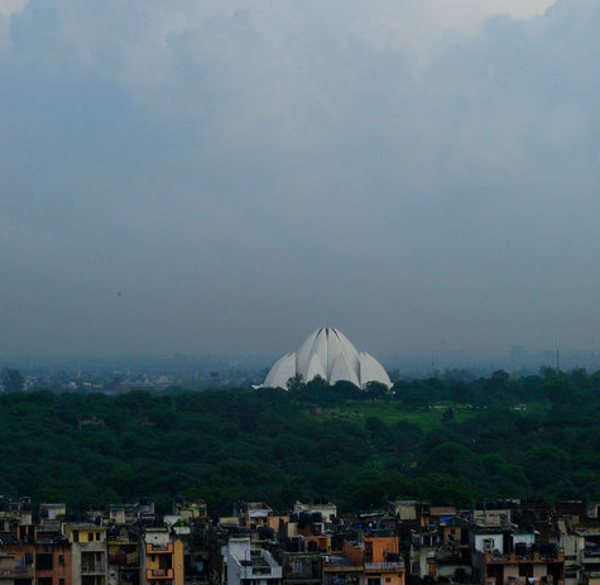
The Lotus Temple has been designed to use effective ventilation and cooling techniques. Fresh air passes over the pools, is cooled, and is drawn in through openings in the basement up into the central hall and expelled through a vent at the top of the structure. The space of worship inside the Temple is capped with a glass and steel skylight, which lets in natural light and makes the building sustainable. It was the first temple in Delhi to use solar power.
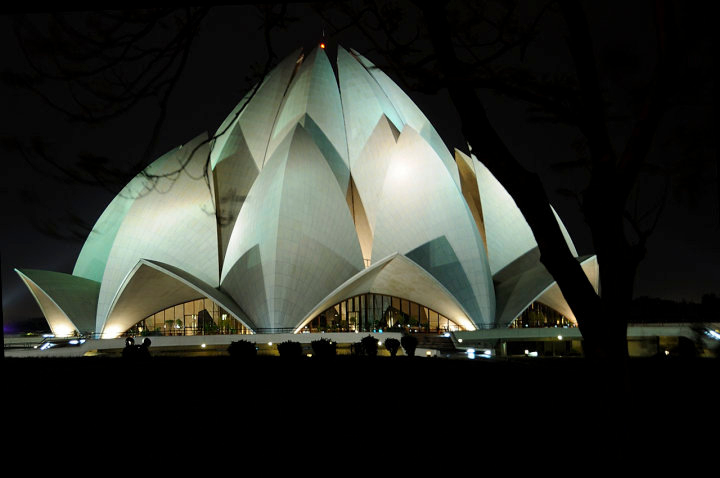
Both the Temple and its architect have won many architectural awards. It has been featured in various newspapers and magazines. It truly represents “Unity in Diversity”.
Photos and text by Prerna Jain.


 Prerna's Photographs