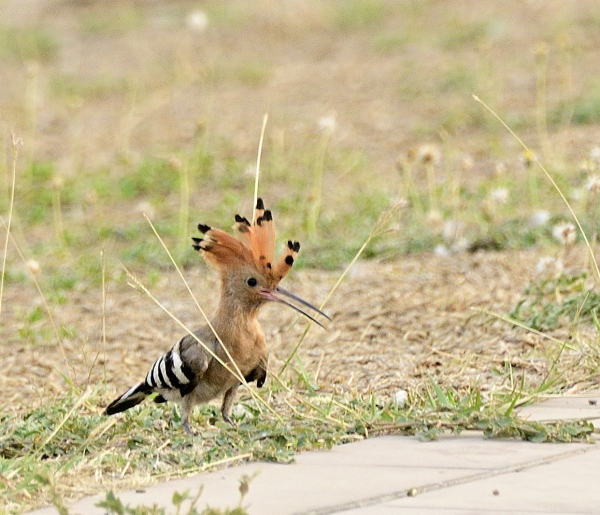
The hoopoe bird (Upupa epops) enjoys a special status in world mythologies. It figures in the mythologies of Arabic, Greek, Persian, Egyptian, and many other cultures. It was not just King Solomon’s special messenger; it was also named the wisest bird in the Sufi poem “Maqaamat-ut-Tuyur (The Conference of the Birds), authored by the renowned Persian poet, Farid-ud-Din Attar of Nishapur. Written around 1177 CE, this poem is considered a masterpiece of Persian literature.
Pictures of the hoopoe bird adorn the walls of tombs and temples in Egypt, as it was considered sacred. In ancient Persia, the hoopoe was a symbol of virtue, and of good omens in ancient Greece. In the Arab world, the hoopoe was regarded as a provider of medical remedies. Hoopoe has a mixed reputation in Europe. In France, hearing its song is a sign of a plentiful harvest. For the Vikings, the hoopoe was a harbinger of war, in Estonia, it foreshadows death, and in some places, it is considered a thief.
The hoopoe bird (“Hudhud” in Arabic, also called the “messenger of God) is the National bird of Israel. Its Hebrew name is “Duchifat”. The hoopoe’s English name is onomatopoeic; it got its name from the “oop-oop-oop” song it sings. Its scientific name, Upupa epops, also comes from the sound hoopoes create.
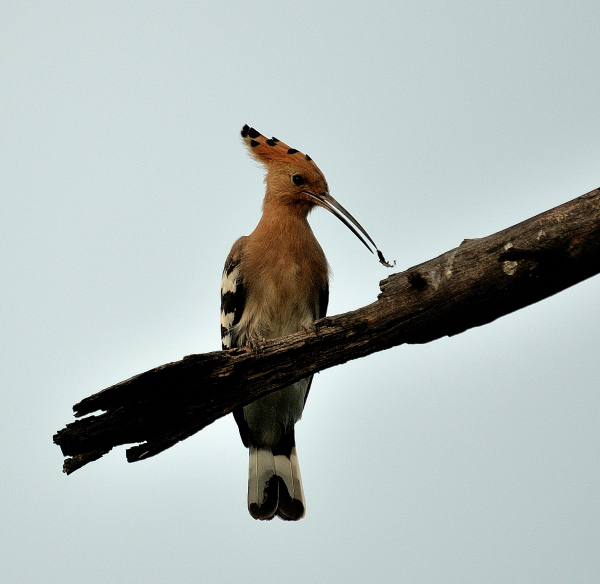
The hoopoe is an exotic-looking, orange bird with zebra-striped wings. Its crest is like a fan, which is usually closed, but often raised just after landing. The bill is black and downcurved. Male and female hoopoes have identical plumage, but the female is slightly duller than her mate.
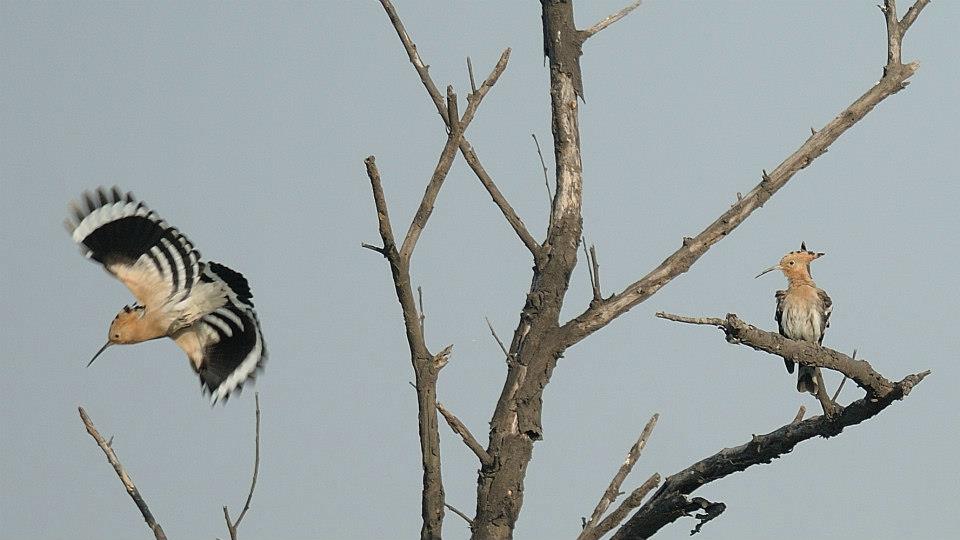
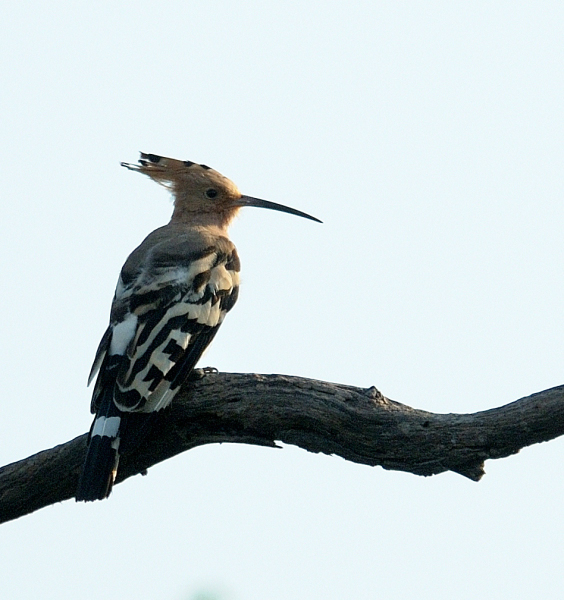
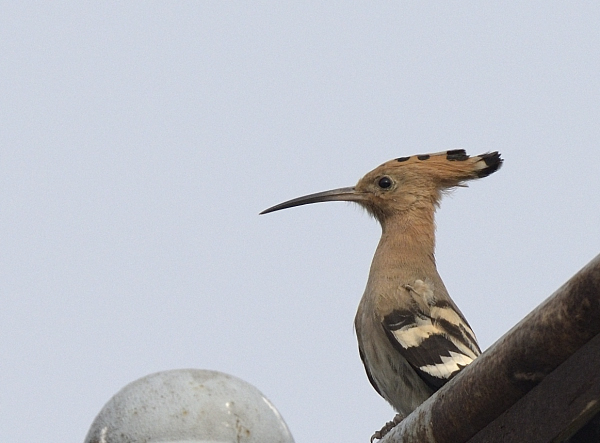
The Torah mentions the hoopoe as “abhorrent and not to be eaten” because of the bad smell it emits. During breeding season, the female hoopoe’s preening gland, located under her tail feathers, swells. It expels a thick brown liquid from the swollen gland, which smells like rotting meat. That is what gives it the reputation of being foul-smelling. Hoopoes don’t remove waste from their nests, which adds to the bad odour.
Photos and text by Prerna Jain.


 Prerna's Photographs