
The Monsoon has captivated the imagination of Indians over the centuries. Indian literature, poetry, art, melodies and food have been inspired by clouds, rains, and lush green landscapes. Stock market investors keep a keen eye on the monsoon to guess how their stocks might perform. It means different things to different people. It could bring happiness, stress, drama, romance, depending on the situation you are in.
The monsoon provides a desperately awaited reprieve to the parched soil, which has suffered for months under intense summer heat. The first drop of rain brings life to the earth. The scent of the first drops of rain on the dry earth, known as “Sondhi khushboo”, in Hindi or” petrichor in English, lifts spirits.
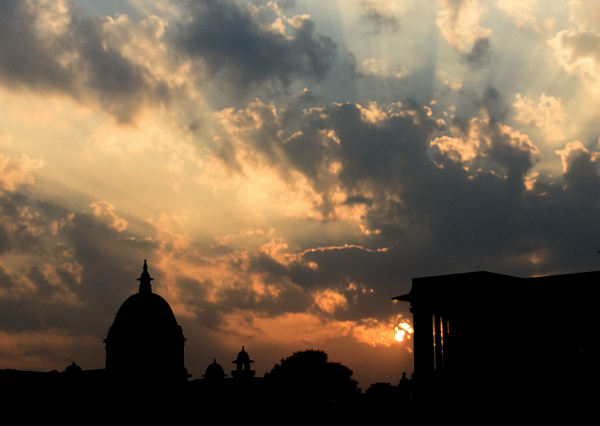
The late-afternoon sky turns a deep orange-yellow during the monsoon season.
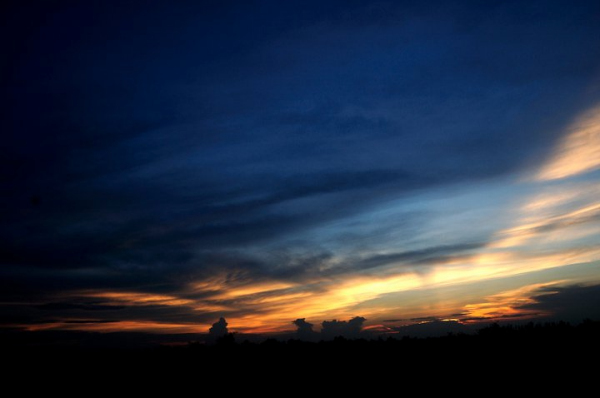
The great Sanskrit poet Kalidasa highlighted the important role of rains in ‘Ritusamhara‘, “praninam pranabhutah varsha (Rain is the life of all creatures).”
Kalidasa’s love for clouds and rain is again evident in the lyrical masterpiece ‘Meghdoota’. In the poem, a Yaksha (demigod), exiled from his home, sends a message to his beloved wife through a cloud. This poetic journey of the cloud blends themes of love, nature, and longing.

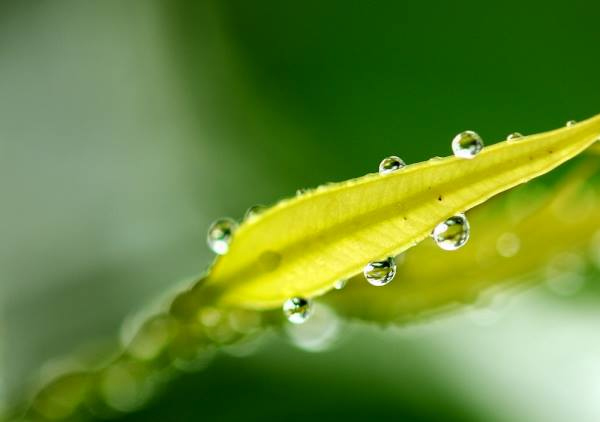
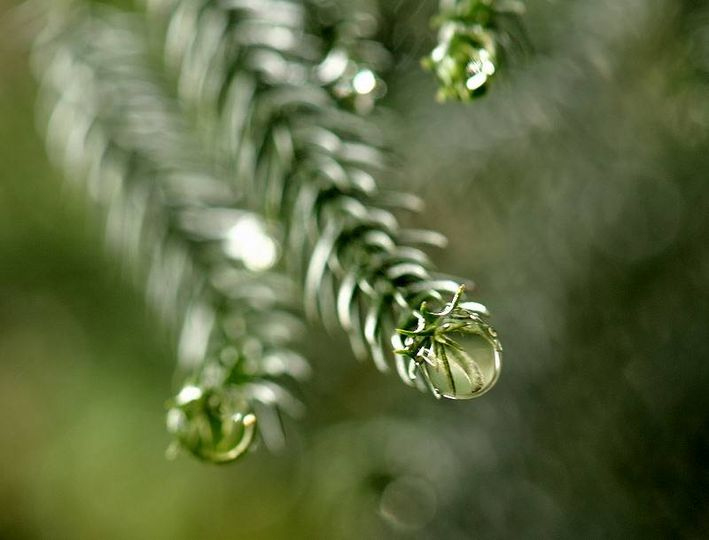
Rains wash away the dust from the trees, and their leaves turn vibrant green. The blue sky is filled with black and grey clouds, transforming the landscape. Probably the only season when the skies are blue in Delhi. The large black ants hiding at the bottom of the flower pots during India’s sweltering heat emerge from their hiding places. The slugs, snails and earthworms suddenly appear in the garden, leaving you to wonder where they were hiding.

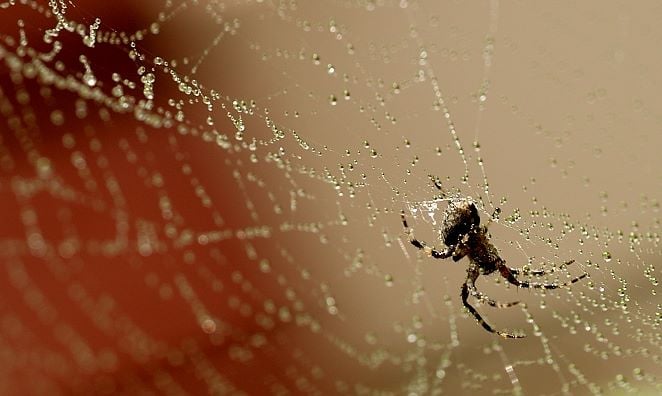

The monsoon is celebrated with great festivity in North India. In many parts of India, the Monsoon season is a time to rejoice, with dances and celebrations. Teej is one such festival which is celebrated in the Hindi month of Sawan. Hindustani music celebrates the rain in the form of Khayal, Dadra, Thumri and Kajri. Malhar, Megh and some other ragas are dedicated to the month of ‘sawan’ or ‘shravan’. Malhar raga is believed to be so powerful that it can induce rain if sung by a gifted musician.

Imagine relaxing with a cup of tea as the skies darken, listening to Monsoon raagas, enjoying hot pakodas, the favourite Indian Monsoon food. Perfect scene for a rainy day. All this sounds so beautiful and romantic. If seen and imagined by a poet or romantic writer, it can appear and sound even more attractive. Jhingar(Cricket), a locust-type insect that swarms over lights during the rainy season, is very annoying. Its sound is even more irritating than its sight. Along with “Koyal Ki Kuhu and Papihe Ki Pihu Pihu“, Javed Akhtar sahab, the brilliant poet that he is, has made a jhingar’s sound poetic in a superhit song from the movie Sapnay (1997).
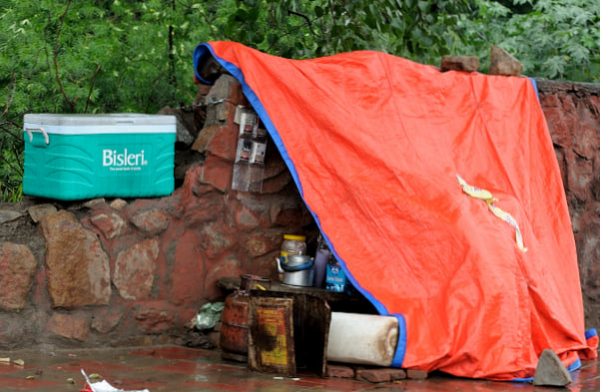
The other side of the Monsoon story is equally dramatic, but it is far from attractive. Every year, heavy rainfall triggers landslides and cloudbursts, leading to overflowing rivers, waterlogging, and flooding. This results in damaged roads, buildings, and other critical infrastructure, causing economic losses and disruptions in daily life. Cities experience flooding due to inadequate drainage systems, leading to chaos and disruptions. The homeless, stray animals, and daily wage workers all suffer. The monsoon intensity and distribution can damage crops and negatively impact agricultural productivity. Flooding can disrupt transportation networks and cause communication breakdowns. Roads turn into rivers, drains overflow, and low-lying neighbourhoods are waterlogged.
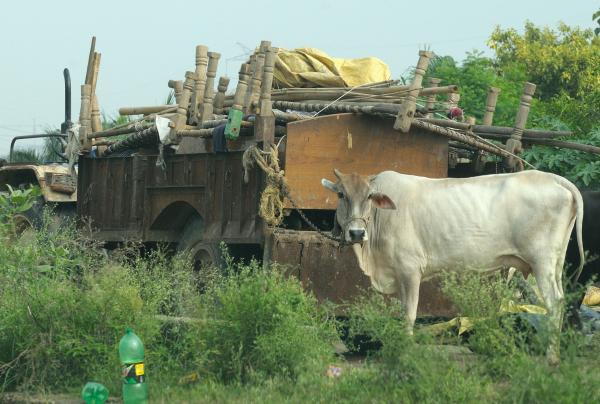
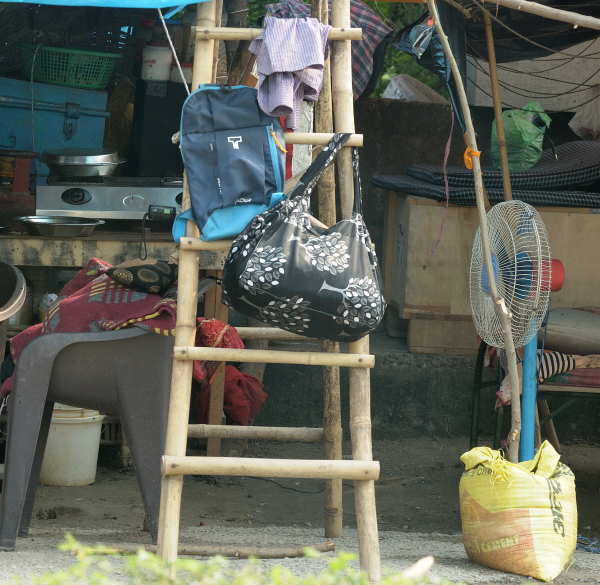
You can feel, see, hear, and smell monsoon; it has an impact on all five senses. The effect varies, depending on which side of the divide you are seeing it from.
Celebrated Urdu poet, Ahmad Faraz said-
In barishon say dosti achee nahi Faraz,
Kacha tera makan hai, kuch to khayal kar.
(Friendship with the rains is not a good idea, give a thought to your fragile mud house.)
Photos and text by Prerna Jain.


 Prerna's Photographs