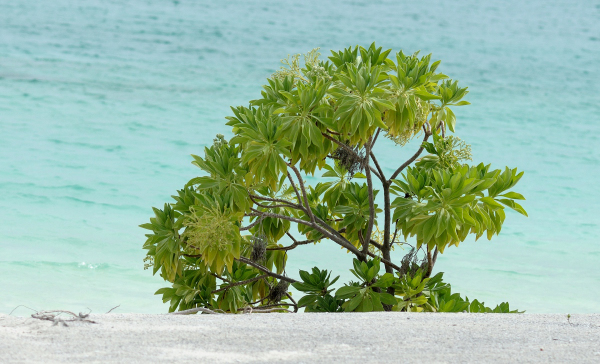
Every tree has its own unique identity. Just like people, trees have their own individual stories. That is why I treat tree photography as a form of portrait photography. Their distinctive characteristics make them interesting subjects, and they are non-fussy models. You can click as many pictures as you want. Even though trees of the same species share basic attributes, environmental factors such as light, water resources, soil, wind, and even the presence of nearby trees lead to variations in size, shape, and even bark patterns.
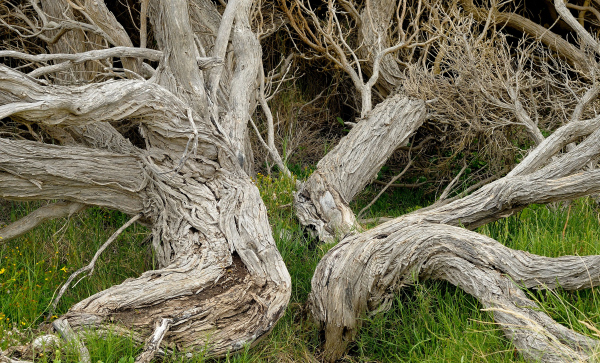
Branches of trees, with their angles of growth, create a visual rhythm. There is a sense of balance and harmony. Even the asymmetry looks aesthetically pleasing.
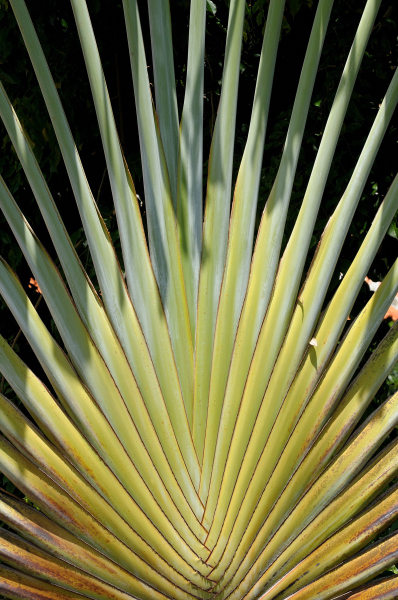
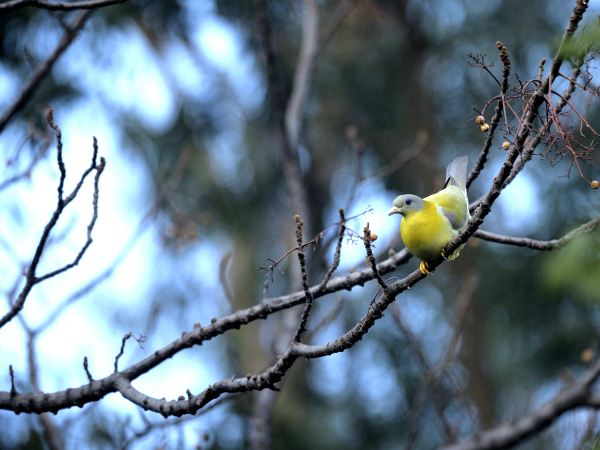
There are numerous ways to photograph trees. Focus on colour and form leaves ample room for artistic interpretation. Just as with photographing humans, the challenge of clicking pictures of trees is to highlight the individuality of each tree.
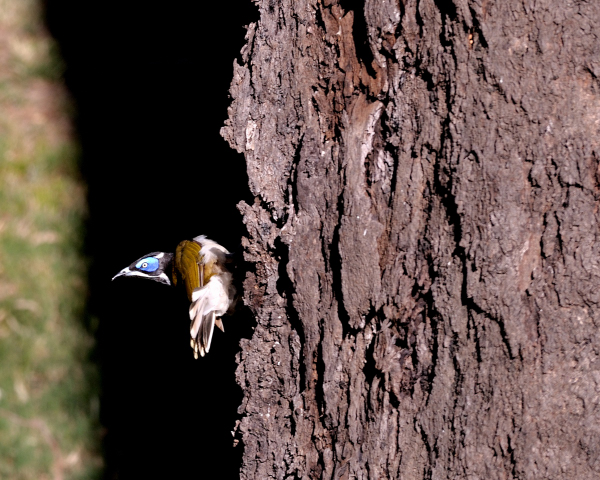
The bark of a tree is like its fingerprint. Each tree exhibits a unique texture and pattern.
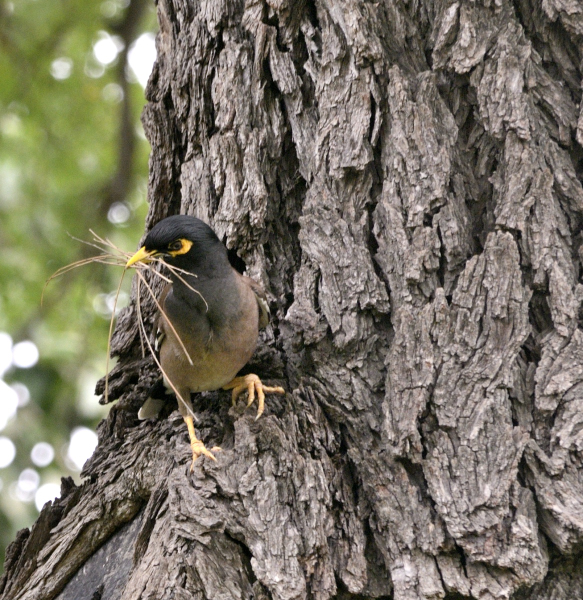
In a forest full of trees of different sizes and shapes, a well-framed photo of a lone tree can be interesting.


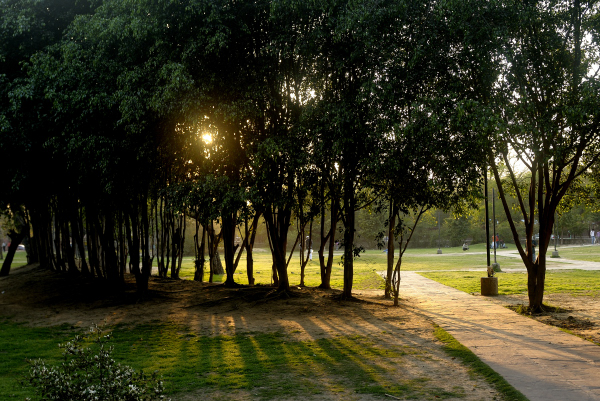
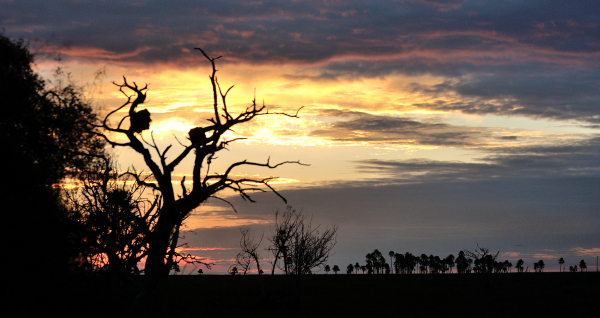
Clicking pictures during golden hour, the time right after sunrise or right before sunset, can give some fascinating results.
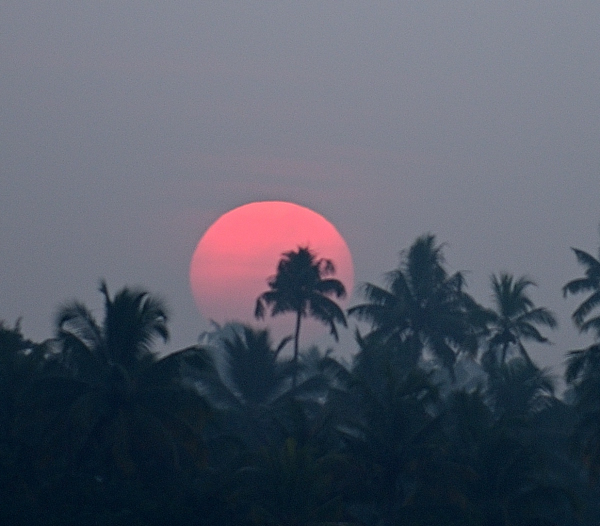
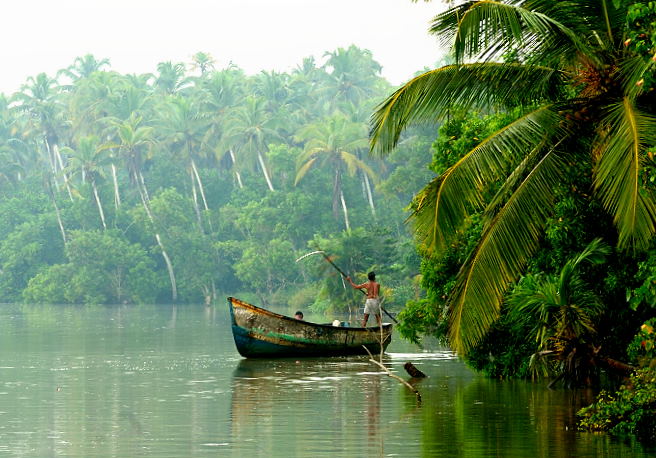
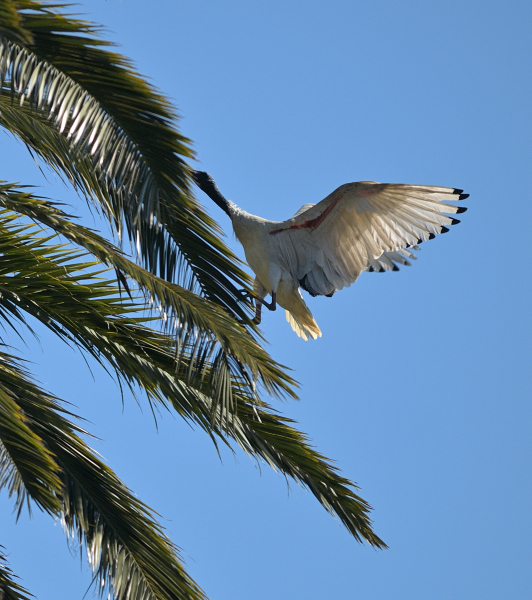
Palm trees have a distinctive form, characterised by tall, slender trunks and feathery fronds, which is very different from the more common branched trees.
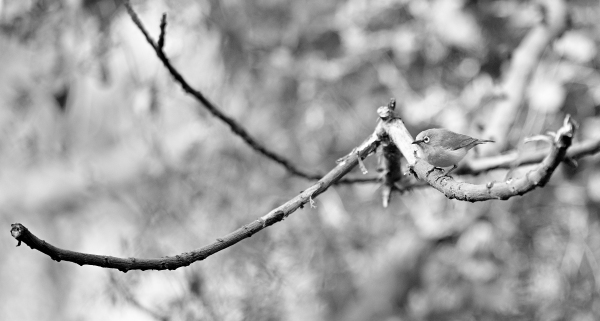
Sometimes colours distract; if this were a coloured picture, the attention would be drawn to the bright yellow of the Oriental White Eye and not the curved branches of the tree.

Trees symbolise life and strength, but sometimes you photograph a tree for whatever is left of it.

A mangrove tree on the beach, contrasting beautifully with white sand and the light blue transparent water of the ocean.
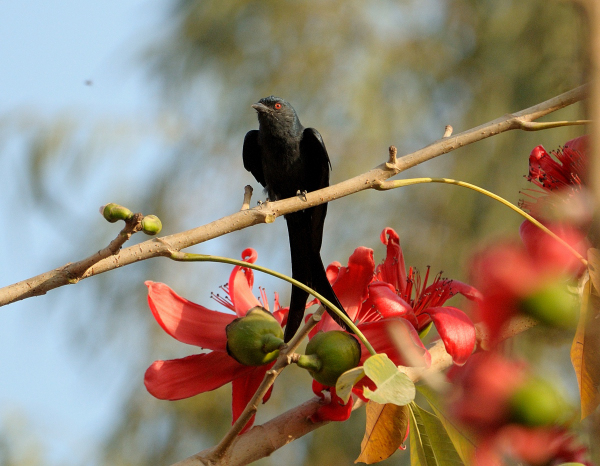
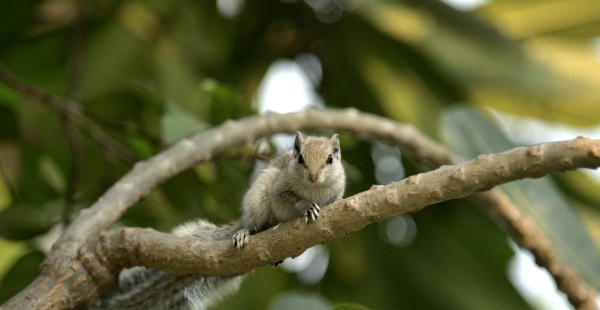
Squirrels, chipmunks, monkeys, and birds on trees create unique photos. Ants, beetles, caterpillars, or butterflies on trees create interesting pictures.
With the leaves gone, the bare and intricate structures of tree branches create beautiful patterns.
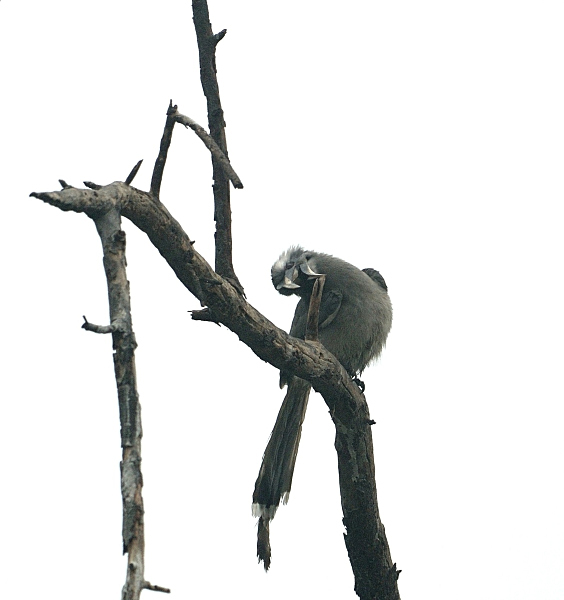
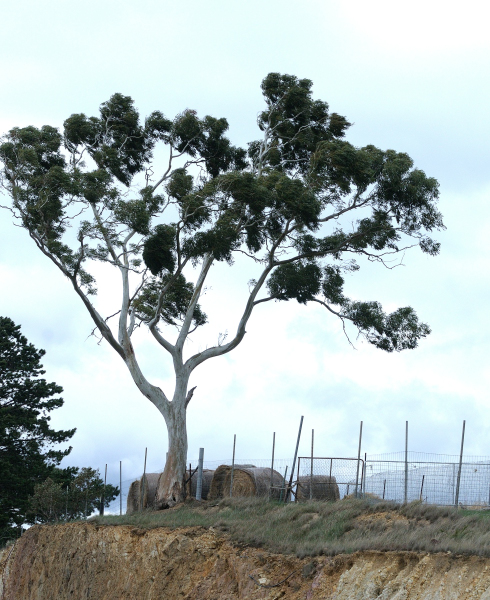
A lone tree can evoke feelings of loneliness.

Trees don’t pose or perform. They are silent yet defiant, tangled yet graceful. Their photographs are grand statements of rhythm and survival. If you observe them quietly, you might hear the private conversations of trees, in a visual noise that feels meditative. You can feel their quiet resolve to survive against all odds. The ones killed too speak, just in a different voice. They don’t need to explain themselves. It’s a strong and silent statement, even after a tree is no longer alive, that can make you feel guilty.
Photos and text by Prerna Jain.

 Prerna's Photographs