The art of cinematography uses light, colour and texture to help tell stories. Camera angle, lighting, composition and frames impact the tone and mood of the stories being told. These tools are not very different from the ones I use to tell my stories, through still photography.
In photography, especially in photojournalistic stories, the story is said to be more important than the aesthetics. The story should be loud and clear; the technique or beauty is secondary. Similarly, cinematography should help enhance the story. The story is the hero, and cinematography plays a supporting role. In the words of Oscar-winning British cinematographer, Roger Deakins, “There’s good cinematography, bad cinematography, and then there’s the cinematography that’s right for the movie.” The visual language should complement the narrative seamlessly, rather than dominating it.
It sounds funny to criticise a form of art because it is too good. I must confess that I was distracted by the beauty of the frames in the film Aap Jaisa Koi. The film is directed by Vivek Soni and stars R. Madhavan and Fatima Sana Shaikh. Before discussing the film’s story, which I enjoyed, I would like to appreciate the cinematography. I was watching the movie, frame by frame, for the fantastic lighting and the beautiful compositions.
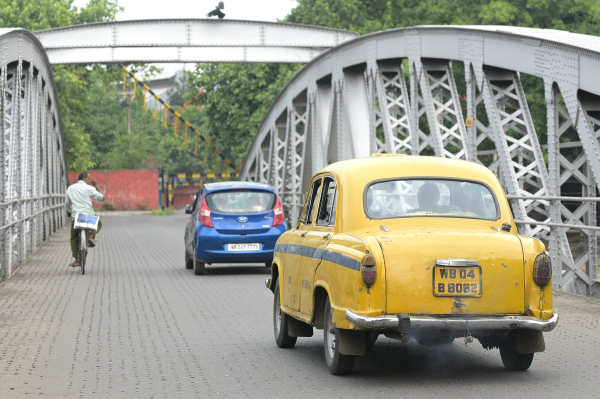
I have done street photography in Kolkata and thoroughly enjoyed it. However, in this film, Kolkata appears, almost perfect, which it is not. They have created a new Kolkata with its old world charm. Why complain about the city being so perfect and symmetrical that it looks unreal? They do that to the heroes and heroines in most Hindi films. Six packs, flawless skin, tall, good-looking actors, too handsome to be real. Each frame is beautifully composed and technically perfect. Debojeet Ray, the cinematographer, deserves full credit for that. From the coffee house where the protagonists first met to the tea stall and the library, the angles at which the film was shot were carefully chosen. There is a shot in the library where Madhvan looks at Fatima Sheikh through the books, and a top shot is noteworthy. You cannot ignore the symmetry in the compositions, right from the beginning. The background dancers have been used aesthetically in the songs. Some visual compositions are stunning.
The music perfectly blended into the narrative. I loved the melodious music, composed by Justin Prabhakaran and Rochak Kohli. But I had to close my eyes to avoid being distracted, so I could enjoy the lovely musical compositions and lyrics.
About the story, it is not a typical romantic tale; it prompts you to ponder. It is an engaging romance between two not-so-young people. R. Madhavan, the lead actor, is forced to confront his patriarchal mindset. The last half hour of the film opens the door to a debate. I have no issues with the twist in the story. No overdramatic monologues. I enjoyed some dialogues, like this one- “Why should you decide the limit for me?” Although we have heard something like this in a Hindi film before. In ‘Dil Dhadakne Do‘, Farhan Akhtar asked Rahul Bose, “Why did she need permission ?” when he bragged about giving Priyanka Chopra permission to work.
The actors’ performances were subtle and impressive. I was captivated by the film’s stunning cinematography when I saw it. I will watch it again for the music and the story without getting distracted by the brilliant frames.
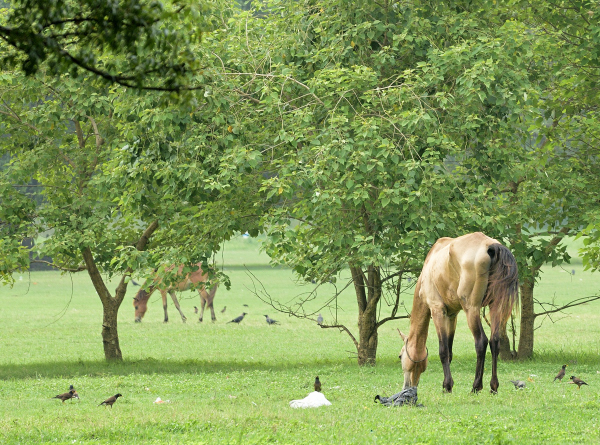
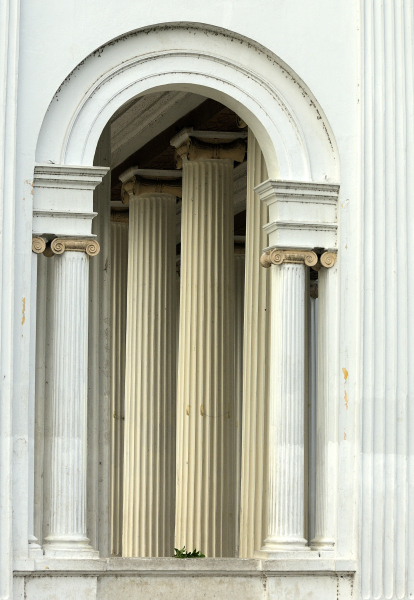
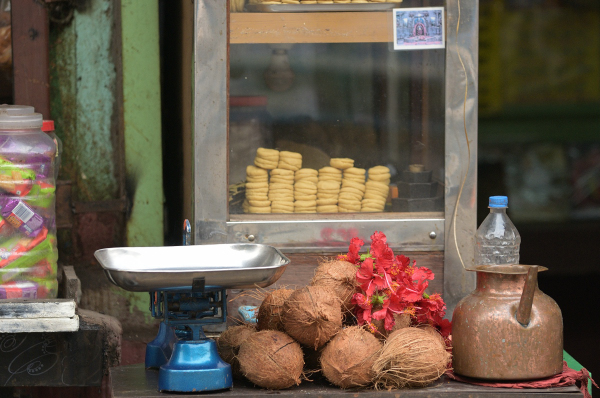
Kolkata through my lens-
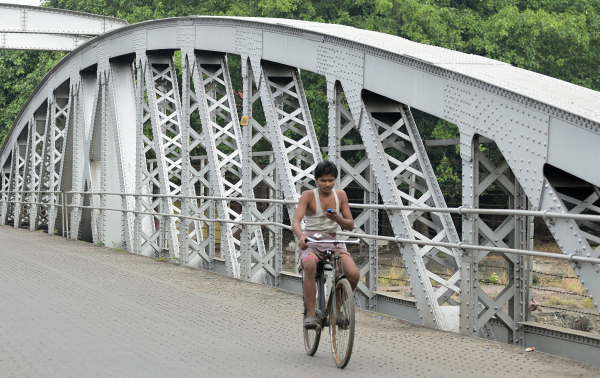
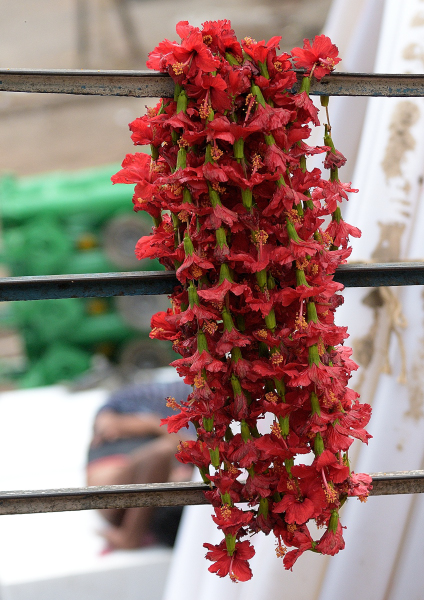

Photos and text by Prerna Jain.

 Prerna's Photographs