I am a vegetarian; I don’t consume any animal products other than dairy. There are a large number of Indians and citizens of other countries who are vegetarians or vegans. Being vegetarian is a choice, and no one should have a problem with it. It is as normal as being a non-vegetarian, which is also a personal choice.
Two incidents made me wonder if there is something unusual about me. The first incident that got me thinking happened during one of my visits to Jaipur. I saw a camel limping because the owner had tied its front legs. You don’t need to be Einstein to understand that the owner of the camel wanted to keep its movement in check, so that it wouldn’t go very far. Camels are expensive and have to be kept safe. There could be better ways to do that. But on my part, if I knew camel language, I would have gone to the camel and explained to it that it can survive very well without its owner. I am sure the camel was fed on whatever grew in the desert; it is not that the owner’s wife cooked fresh food for it every day. The camel could live an independent life without a rope in its nostrils and its legs tied. The point is that I was only concerned about the camel, not the human who owned it.
The second incident was when I was watching the superhit Shahrukh khan film, ‘My name is Khan’. During the hurricane sequence in the film, where they depicted so much destruction and human misery, I was worried for a hen sitting on the top of the Church, trembling and shivering in the storm. I am sure the director placed the hen on the terrace to create a dramatic effect.The purpose of the scene was to move people with human misery, not just of hens.
I wondered why I am so sensitive to animal lives. It has something to do with my childhood. I grew up in an environment where every living being was considered sacred, not just one particular animal. I once saw my father’s aunt do a very adorable thing. She was about 80 years old. Someone accidentally stepped on an insect, and she very affectionately recited a few mantras in its ears. I am saying in its ears because she went very close to the insect, and not because I have ever seen an insect’s ears. I was very curious and asked her what it was for? She told me, it would help find the insect a better life in its next incarnation. At the age of 4 or 5, I had found that very endearing, because I had never witnessed anything like that before. In my school and neighbourhood, I had seen spoiled brats intentionally stepping on insects, instead of walking a little away from them, which disturbed me. The sight of a crushed snail shell is an ugly sight.
I once had a sleepless night because I had seen a few young boys from our neighbourhood, stoning a poor chameleon to death. The chameleon was later buried with ‘full state honours’, by the boys, but that didn’t help me. I got over it after some other sensational instance like this one happened, or maybe my mother counselled me, I don’t remember clearly.
Choosing to eat or not eat non-vegetarian food is not just about love for animals. There are so many other factors that come into play. A dear friend of mine who was born into a vegetarian family turned non-vegetarian after marriage. I was curious to know if the change was easy for her. I was surprised by her answer. She chose to change her dietary choices to fight patriarchy. In her husband’s family women were dissuaded from eating non-vegetarian food. She was told that non-vegetarian food stimulates passion and increases aggressive behaviour in women. It was a ploy to make women sacrifice their portions for men. She refused to be dictated by patriarchal norms or stereotypes. Gradually she started enjoying the flavours and textures of meat. She cooks and eats various styles of cooking non-vegetarian food.
Cultural norms and traditions influence dietary preferences. In many cultures meat is a very important part of traditional cuisines. It is associated with celebrations and festivities. Caste too significantly impacts food choices in India. Historical and social factors have influenced dietary practices. Affordability and occupation too are important factors in the choice of food.
You do what your religion or culture tells you to do, don’t decide for others. We need to get our priorities right. Being sensitive towards animals is humane. Everyone should be concerned about the well-being of animals. Take good care of animals, and feed them a diet suitable for their well-being. One should not be paranoid about it, is my point. You get your protein from lentils and paneer, someone else gets it from meat and eggs. Imposing food choices is unacceptable. Let people decide what they want to eat. All living beings have to adapt to the geographical and climatic conditions to survive. Imagine someone living in Siberia, Alaska, or some other cold area on earth surviving on plant food. They can maybe, in the present day and age, with all the modern transportation facilities available. A century ago, it wouldn’t have been possible.
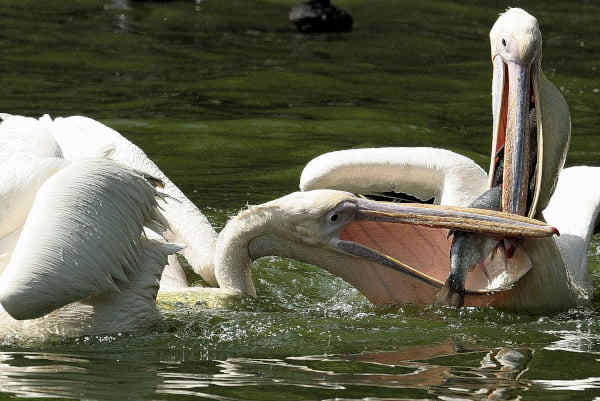
The reasons for dietary choice may be different, the fact is that living beings are all interconnected through the ecological pyramid. Everything in nature is either consumed or it consumes. Nature’s cycle of growth, decay, and renewal is about the transfer of energy and matter. Plants convert sunlight into energy through photosynthesis, animals consume plants or other animals. Decomposers break down dead organisms. No food is possible without violence because anything that eats is eaten. A continuous cycle of energy transfer and transformation happens in nature. A tiger or lion cannot eat grass; it has to kill to survive. Vegetarianism too is not possible without killing because farming involves clearing jungles that destroy the homes of thousands of species and kill millions of living beings in the soil, shrubs and trees.
Whatever critics or certain religions might say, but I am a great believer in the theory of evolution. I see that happening everywhere, gradually but surely. I can’t claim to witness the evolution from ape to man in my lifespan but changes are taking place around us all the time. We need to accept that, and move out of our childhood stories.
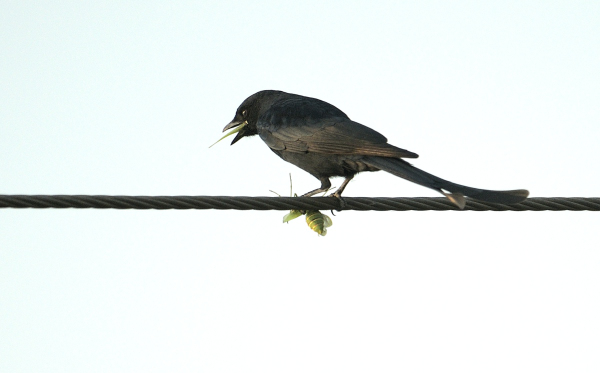

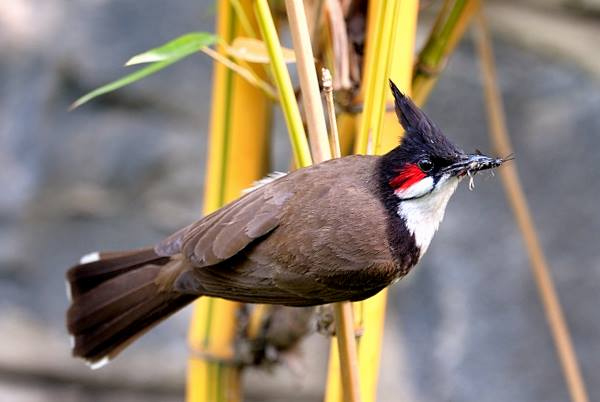

Photos and text by Prerna Jain.


 Prerna's Photographs