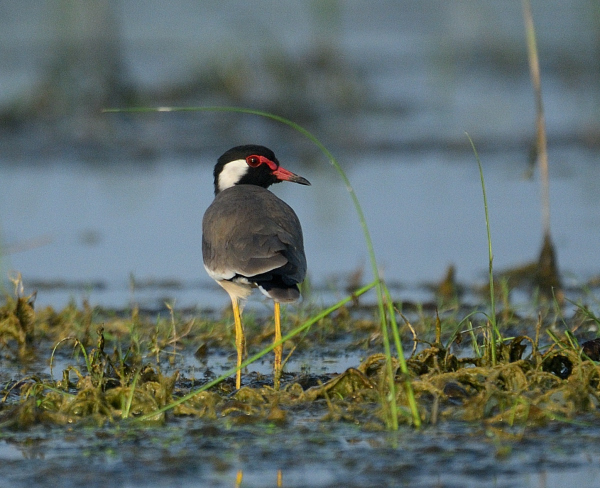
The Nalsarovar Bird Sanctuary, renowned for its avian inhabitants, is located just an hour’s drive from Ahmedabad. This Bird Sanctuary, spread over approximately 120.82 square kilometres (46.63 square miles), is a paradise for birdwatchers and nature enthusiasts. Shallow freshwater lake, marshes, mudflats, surrounded by terrestrial habitats, collectively form the diverse ecosystem of the Nalsarovar Bird Sanctuary.
The Nalsarovar region has been a vital wetland area for centuries. Nalsarovar Lake was created in the 15th century as a result of the construction of a check dam across the Sabarmati River. Initially, it was used for irrigation purposes and as a source of drinking water for nearby villages. The British colonial administration established it as a protected area in the early 20th century, recognising the importance of this wetland ecosystem. The Gujarat government declared Nalsarovar a bird sanctuary in 1969, elevating its status to a dedicated haven for avian life. Nalsarovar Bird Sanctuary earned the prestigious Ramsar Site designation in 2012, which is a global recognition of its importance as a wetland area for bird conservation and biodiversity.
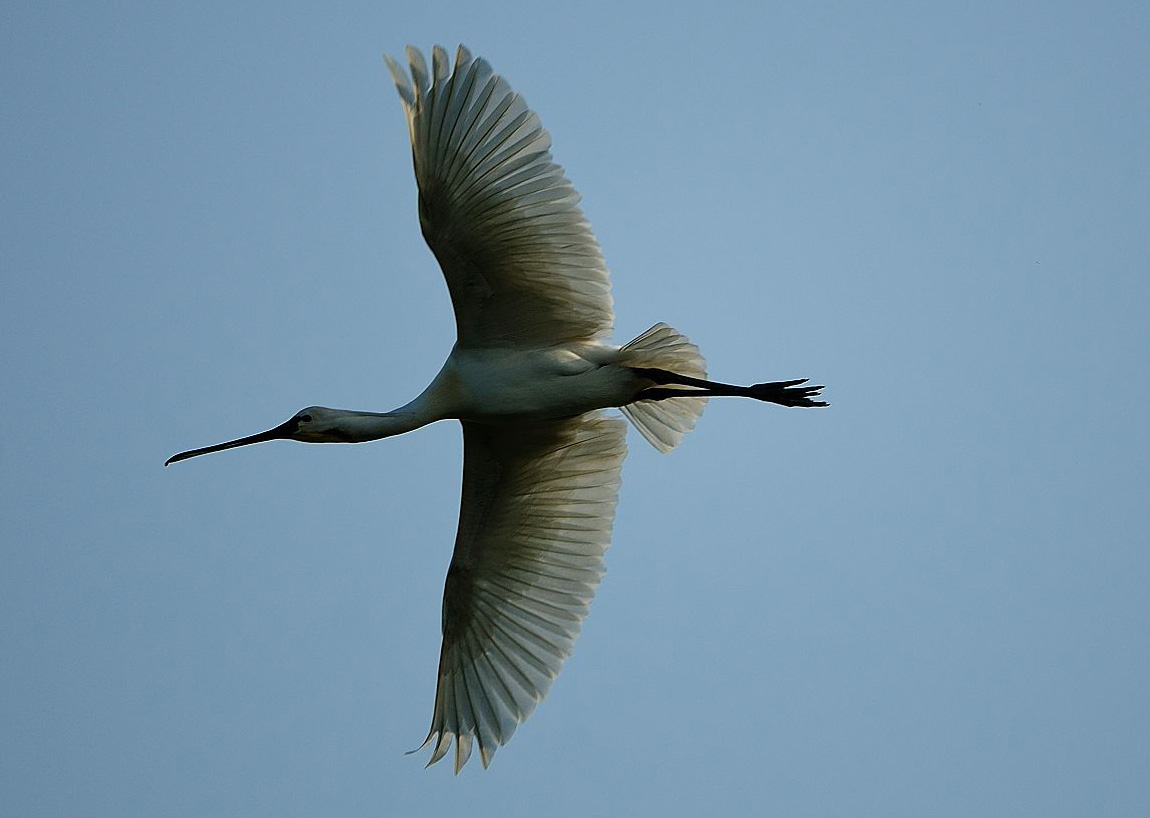
Nalsarovar Lake draws a diverse array of bird species due to its abundant water sources, marshes, and extensive wetlands. It is an ideal habitat for both resident and migratory birds. It is home to more than 250 species of birds, including pelicans, flamingos, egrets, herons, cranes, ducks, Ibises and many more.
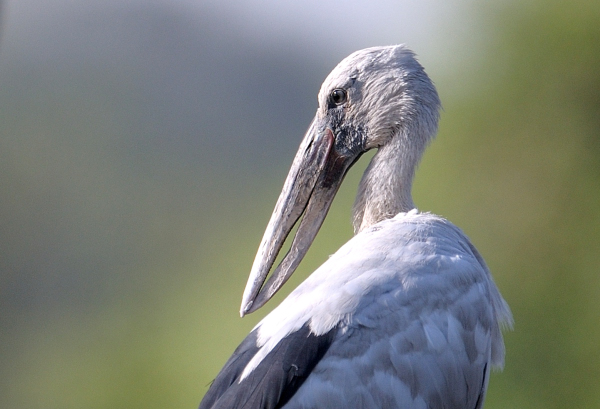
It serves as a stopover point for numerous migratory bird species along the Central Asian Flyway. During the winter months, the sanctuary becomes a home for a diverse array of migratory birds, including those from as far away as Central Asia and Siberia, such as flamingos, cranes, ducks, geese, and many other species. The shallow area and ponds on the outer fringes of the lake attract the wading birds that feed in the shallow waters. Various duck species, including the northern pintail, gadwall, common teal, Greylag geese, bar-headed geese, and many others, are winter visitors to Nalsarovar. A large number of resident species, though, can be spotted throughout the year. Not only birds, but also reptiles, small animals on the islands, undersea creatures, and plants, all contribute to its ecological richness.
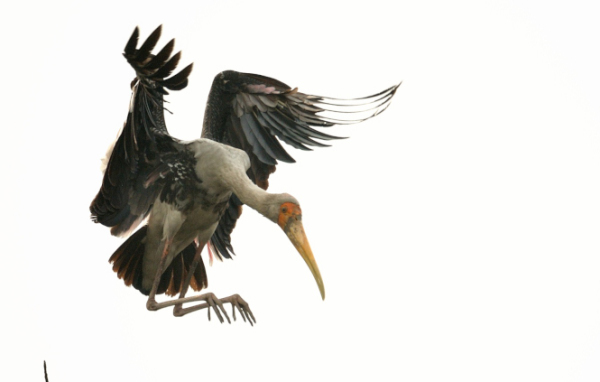

Various herons and egrets, including the grey heron, purple heron, and little egret, feed and roost at Nalsarovar Bird Sanctuary. Painted storks, black-necked storks, and woolly-necked storks can be seen in the sanctuary.
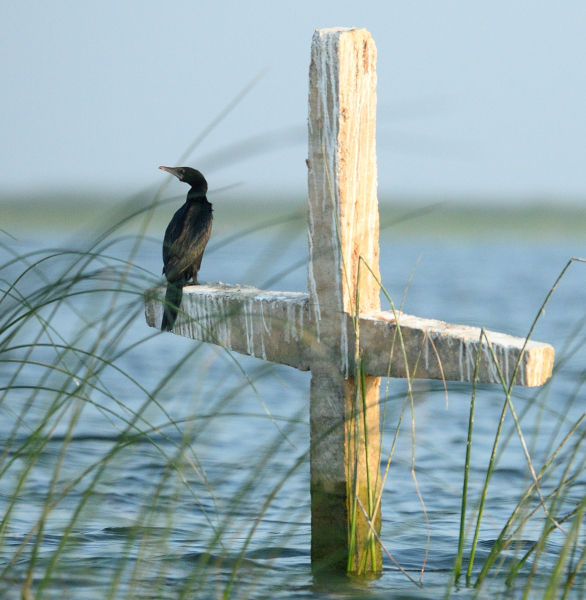
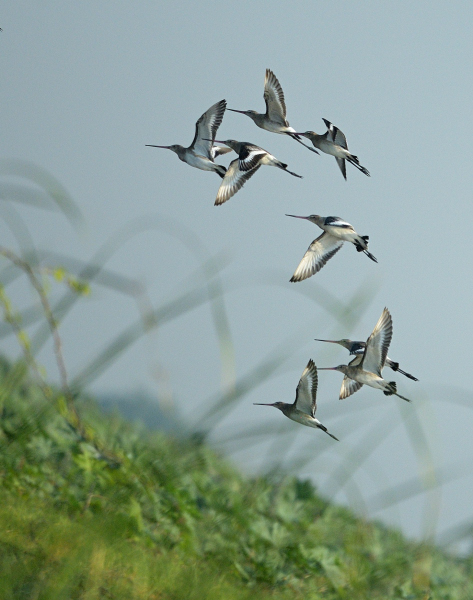
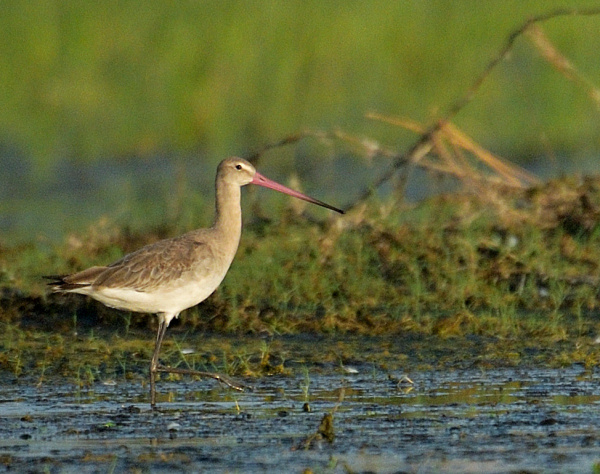
Migratory wading birds, such as sandpipers and plovers, as well as smaller passerine birds like pipits and wagtails, can be observed foraging in the shallow waters and mudflats, as well as in the grassy areas surrounding the wetlands.

A juvenile Glossy Ibis stuck in a plastic wire at the Nalsarovar Bird Sanctuary was a sad sight.
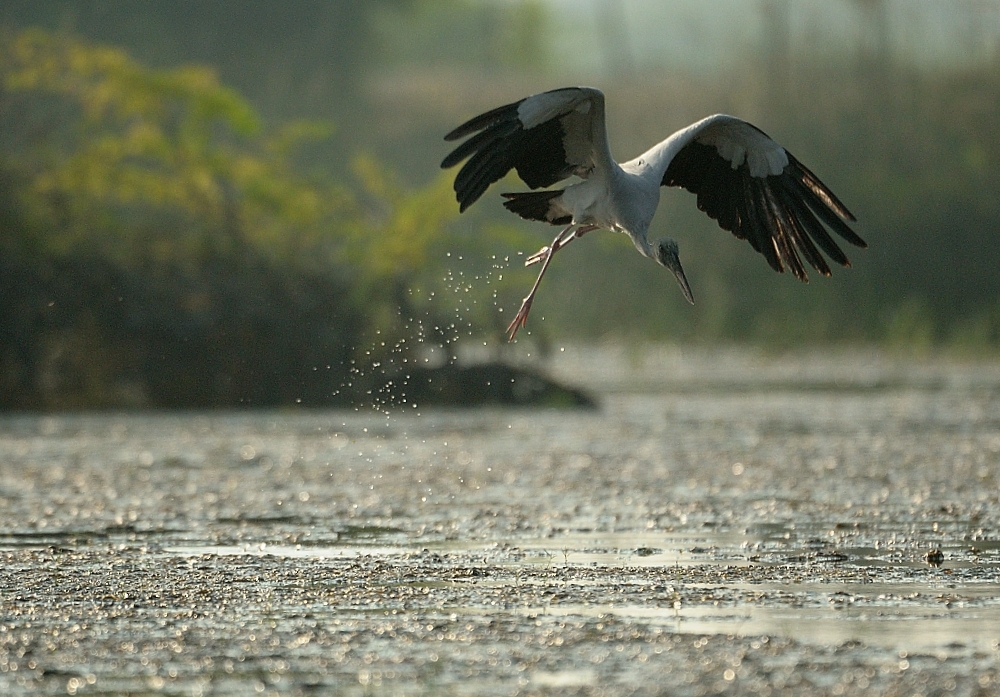
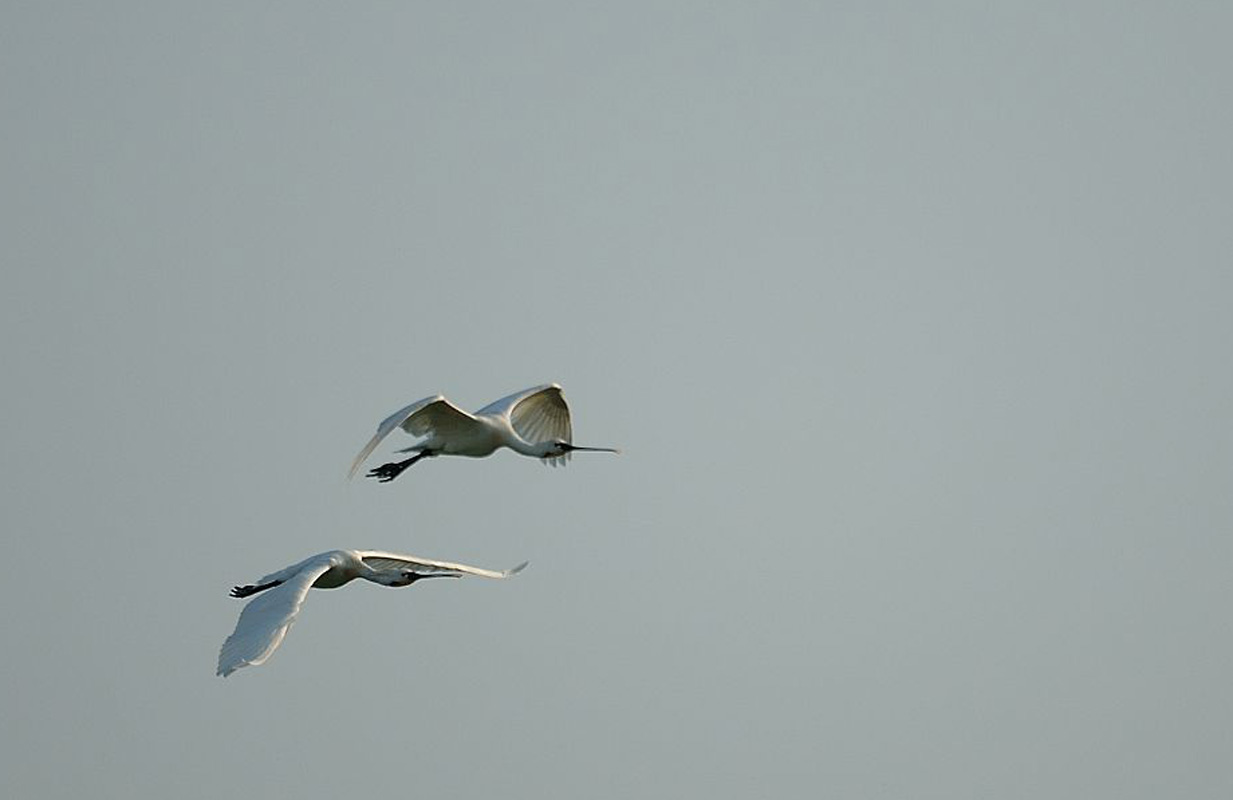
Nalsarovar Lake experiences lots of fluctuations in water levels. The lake fills up due to rainfall, and as the dry season progresses, the water levels gradually recede. Nalsarovar is a shallow lake with the maximum depth during the monsoon season, which, combined with the presence of marshes and wetlands, creates an ideal environment for a wide range of bird species.

Nalsarovar Bird Sanctuary plays a crucial role in conserving both avian and aquatic biodiversity, serving as a safe haven for a wide range of bird species and other wildlife. The presence of a diverse range of aquatic plants and flowering species makes the sanctuary ecologically significant, as it supports a diverse array of bird species.
Not just for birds and animals, the Nalsarovar area has historical and cultural significance for local communities. The wetlands provide a source of livelihood for nearby villages, and they have been utilised for traditional activities such as fishing and agriculture for many generations.
Text and photos by Prerna Jain.

 Prerna's Photographs