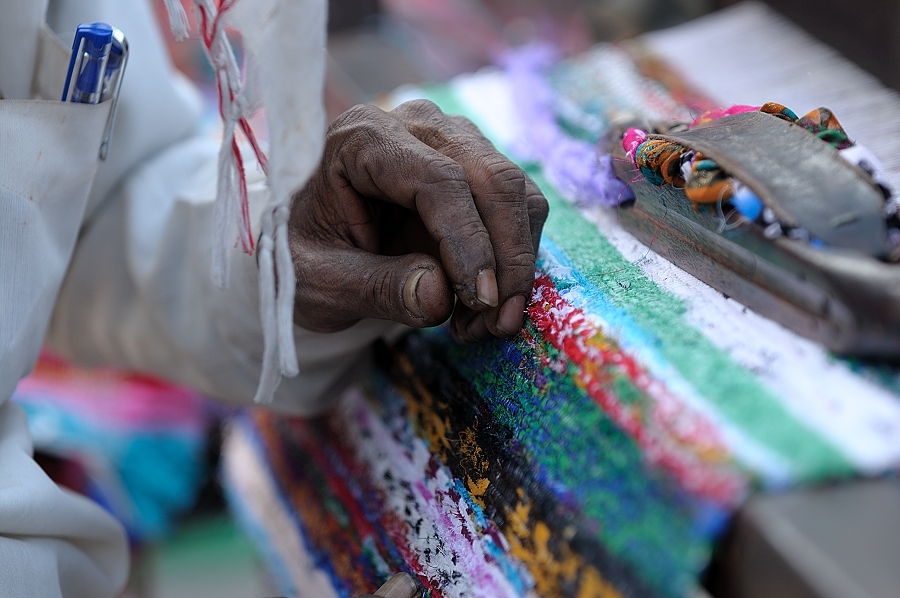
“Yaar Julahe” is a popular poem by the celebrated poet Gulzar. The poem draws parallels between the weaver’s craft of mending broken threads and continuing to weave seamlessly, and the nature of human relationships. This poem uses the weaver (Julahe) as a metaphor to explore human relationships. It symbolises the human capacity to overcome adversity and move on with life.
“Mujh ko bhi tarkeeb sikha koi yaar julahe
aksar tujh ko dekha hai ki taana bunte
jab koi taaga toot gaya ya ḳhatm hua
phir se bandh ke
aur sira koi jod ke us mein
aage bunane lagte ho
tere is taane mein lekin
ik bhi ganth girah buntar ki
dekh nahin sakta hai koi”
(Dear Weaver, my friend, please teach me your trick too.
I have often seen you weave threads.
When a thread is broken or the roll finishes,
you tie it again,
You join another thread and start weaving it again,
on this loom of yours.
Not even a single knot
of the thread is visible to anyone.”
Weavers are an integral part of Indian culture. They are located in small towns and villages across India. Their skills are passed down from one generation to the next. A handloom is a type of loom used by weavers to weave cloth without the help of electricity. With a legacy dating back thousands of years, Indian handloom traditions are among the oldest in the world. The handloom industry in India has its roots in the ancient Indus Valley civilisation, flourishing until the colonial era, when its importance was reduced.
Mahatma Gandhi started the Swadeshi movement to promote the use of Khadi and other handloom products as a means of self-reliance and resistance against foreign rule. To honour the handloom weavers of the country, National Handloom Day is observed annually on August 7, commemorating the date of the Swadeshi Movement.
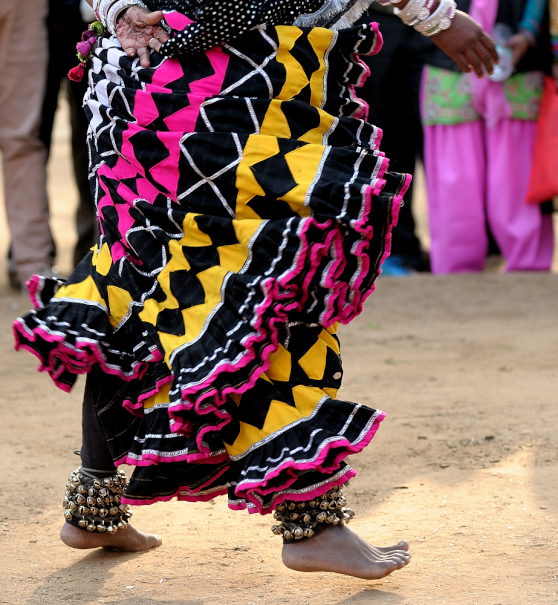
Handloom fabrics are characterised by motifs and patterns that are rooted in local traditions, folklore, and religious beliefs. A classical example is Bengal’s Baluchari sarees. They often depict mythological scenes from the Mahabharata and the Ramayana. From Paithani sarees of Maharashtra to the exquisite Kalamkari works of Andhra Pradesh, the Indian handloom industry showcases its diversity and intricacy. Bandhani sarees from Rajasthan and Gujarat are known for their vibrant colours and meticulous hand-dyed patterns. Muga Silk of Assam to Kullu shawls of Himachal Pradesh, adorned with geometric patterns, are a visual delight. Mysore Silk is the pride of Karnataka. Kalamkari sarees of Andhra Pradesh narrate intricate tales and motifs drawn by the skilled artisans. Chanderi sarees of Madhya Pradesh are known for their delicate texture. Banarasi sarees are an integral part of North Indian bridal wear. It is famous for its intricate zari work. Kanchipuram silk sarees, too, are renowned for their rich zari work and vibrant colours. Ikkat Sarees from Odisha and Telangana are famous for their vibrant colours and bold designs, featuring unique geometric weaves.
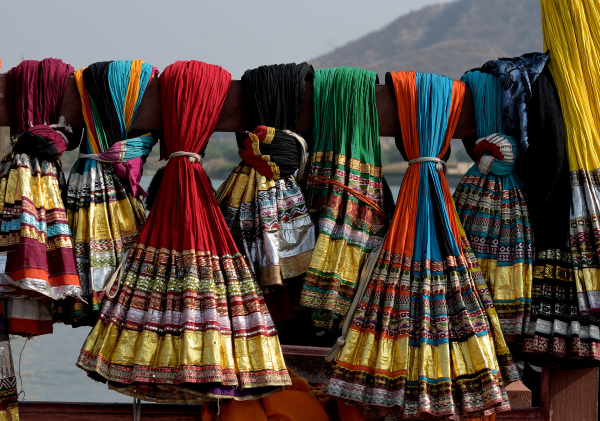
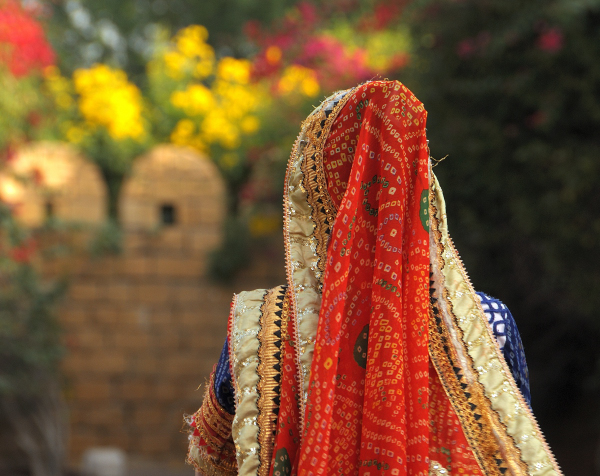
Bandhani sarees from Rajasthan and Gujarat are known for their vibrant colours and meticulous hand-dyed patterns.
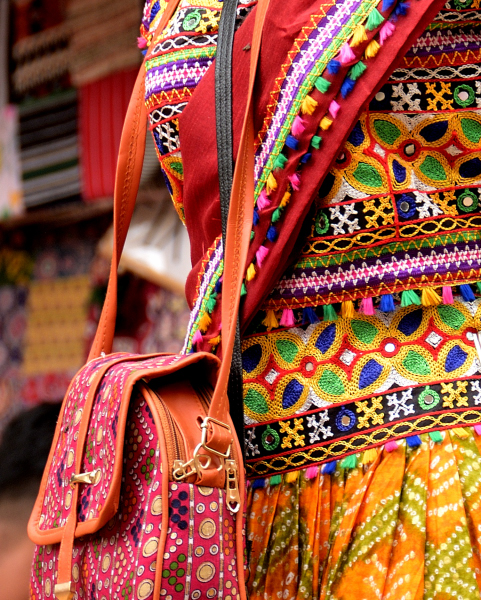
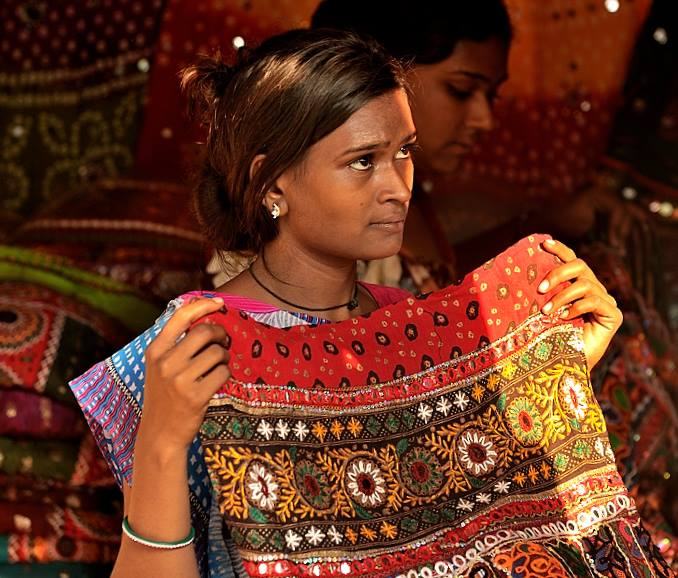
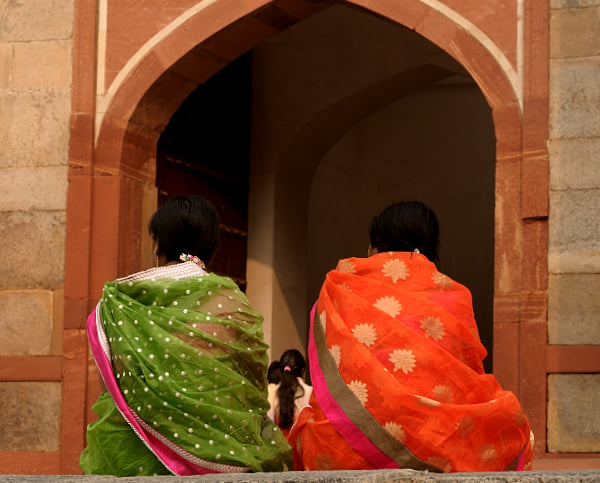
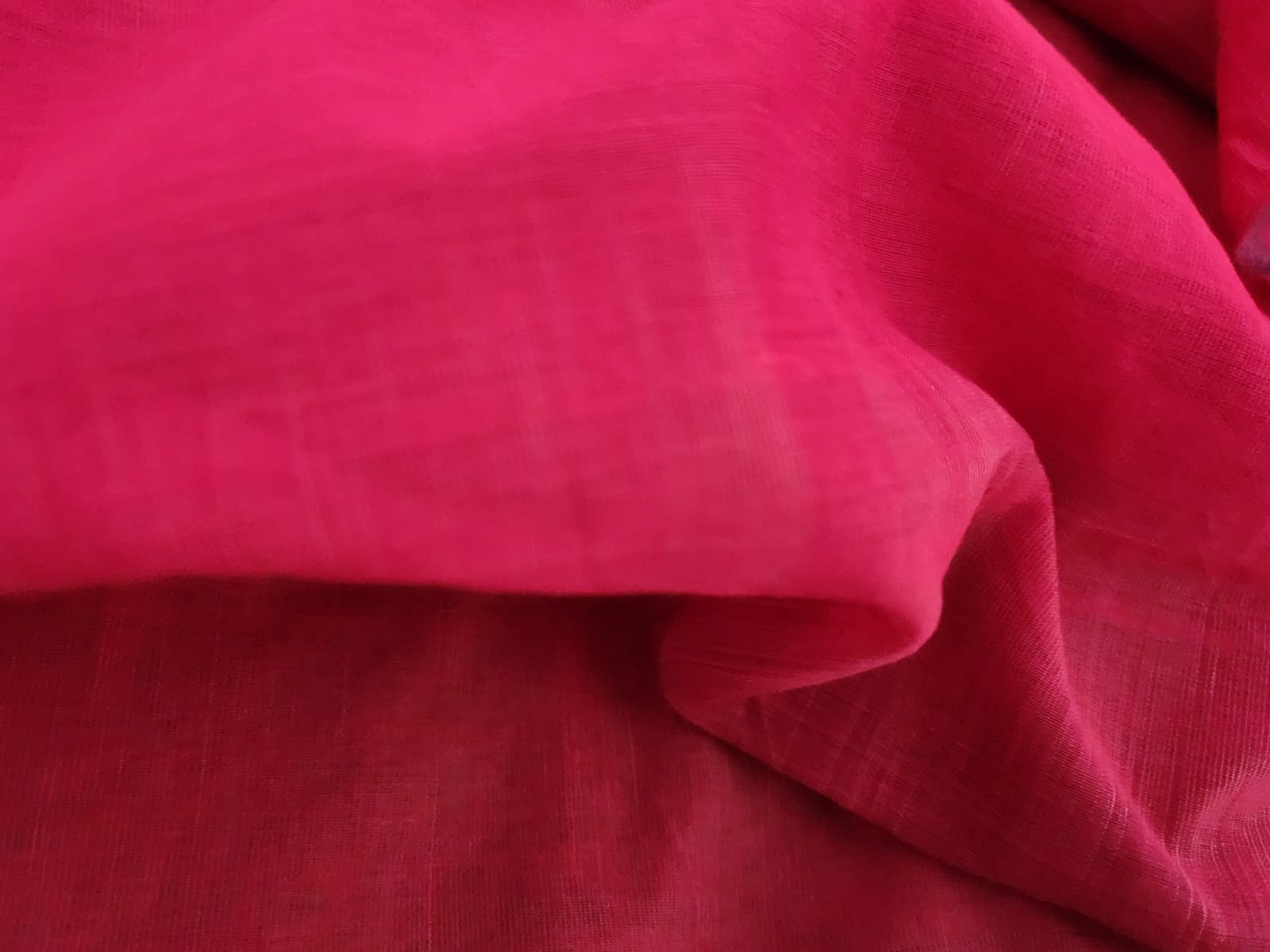
Chanderi sarees of Madhya Pradesh are known for their delicate texture.
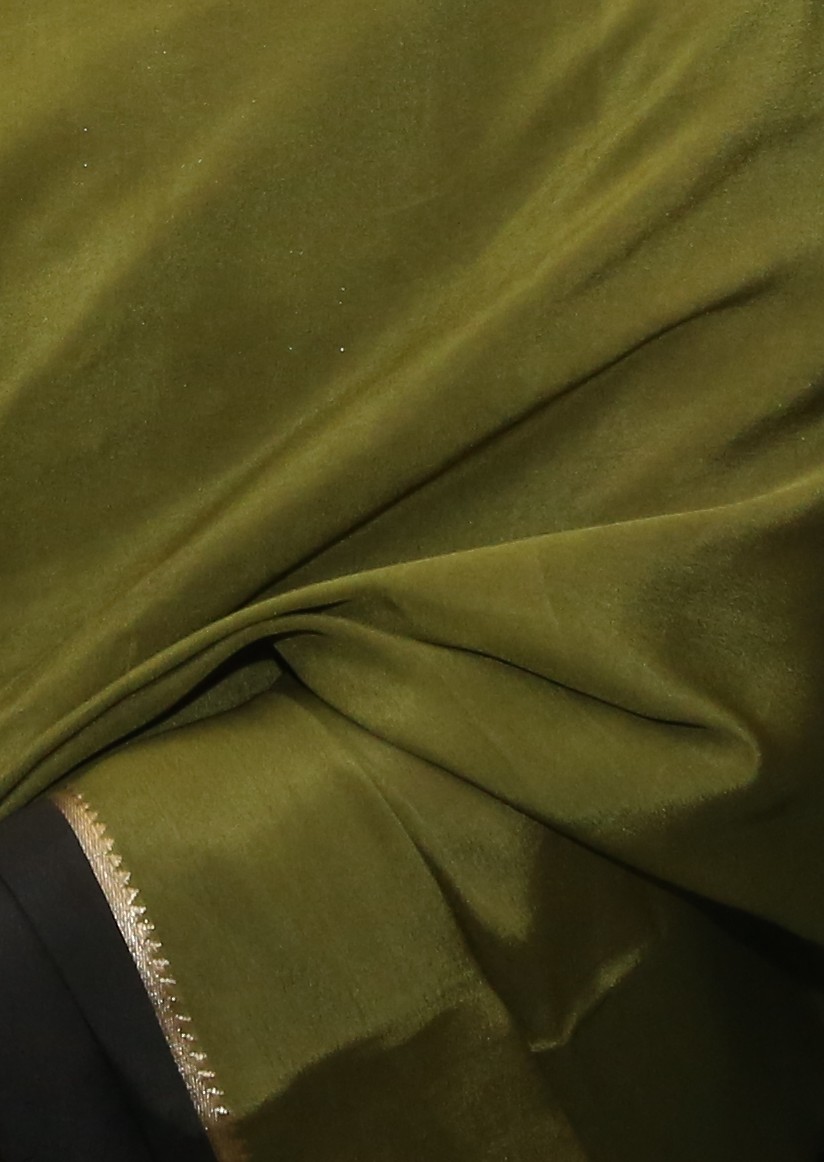
Mysore Silk is the pride of Karnataka.


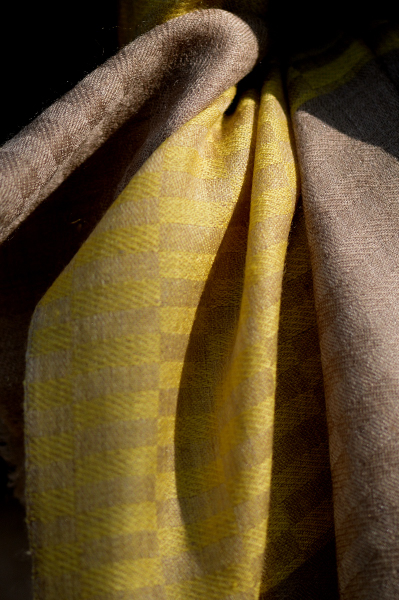
Pashmina shawls are made from the wool of the Changthangi goat found only in the Himalayas. They are crafted by highly skilled weavers on their handlooms.
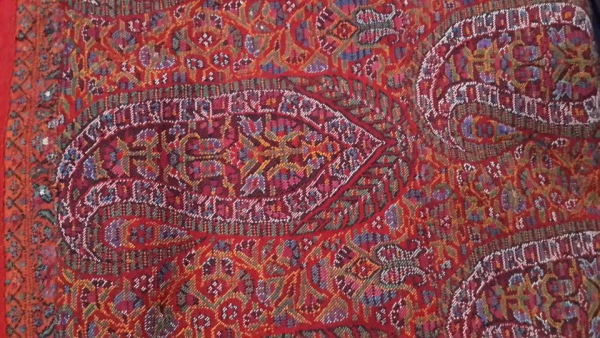
Weavers put in a lot of effort to create the magic through their Handlooms. It also involves the manual handling of yarns and fabric, placing considerable pressure on the shoulders, back, and arms. A large number of weavers work in poorly lit rooms and on machines that are not designed for long hours of work. Continued stress on their muscles and nerves sometimes results in a musculoskeletal disorder. Just celebrating National Handloom Day is not enough; weavers and their families deserve much more. They need better working and living conditions.
Photos and text by Prerna Jain.

 Prerna's Photographs