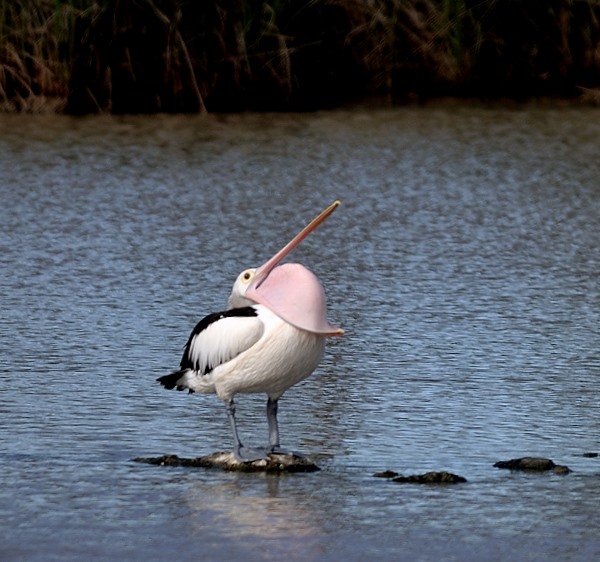
A poet has the license to manipulate facts to suit the needs of the poem. Dixon Lanier Merritt has used that liberty in this limerick about the Pelican’s pouch-
A wonderful bird is the pelican.
His bill can hold more than his belly can.
He can take in his beak,
enough food for a week,
I’m damned if I know how the hell he can!
The poem is about the pelican’s gular pouch. Gular skin of a pelican is a thick layer of skin located on the lower jaw and connected to the throat. The gular pouch is very fascinating, though it is not used to store food. These pouches are made of stretchy, featherless skin and function like a fishing net, enabling a pelican to scoop up fish. The pouch has sensory nerves running through its stretchy skin. When foraging for fish at night or in murky water, the pelican can feel a fish as it enters the pouch, and it snaps its bill shut. This closes the opening of the pouch, trapping the prey. The pelican then presses the large water balloon in its pouch against its breast to expel the water through the narrow opening of its bill. The pelican swallows the hapless prey in one big gulp. The entire process takes less than a minute. The victim is mostly fish. Pelicans do occasionally eat other small animals, such as crabs, turtles, frogs, and salamanders.
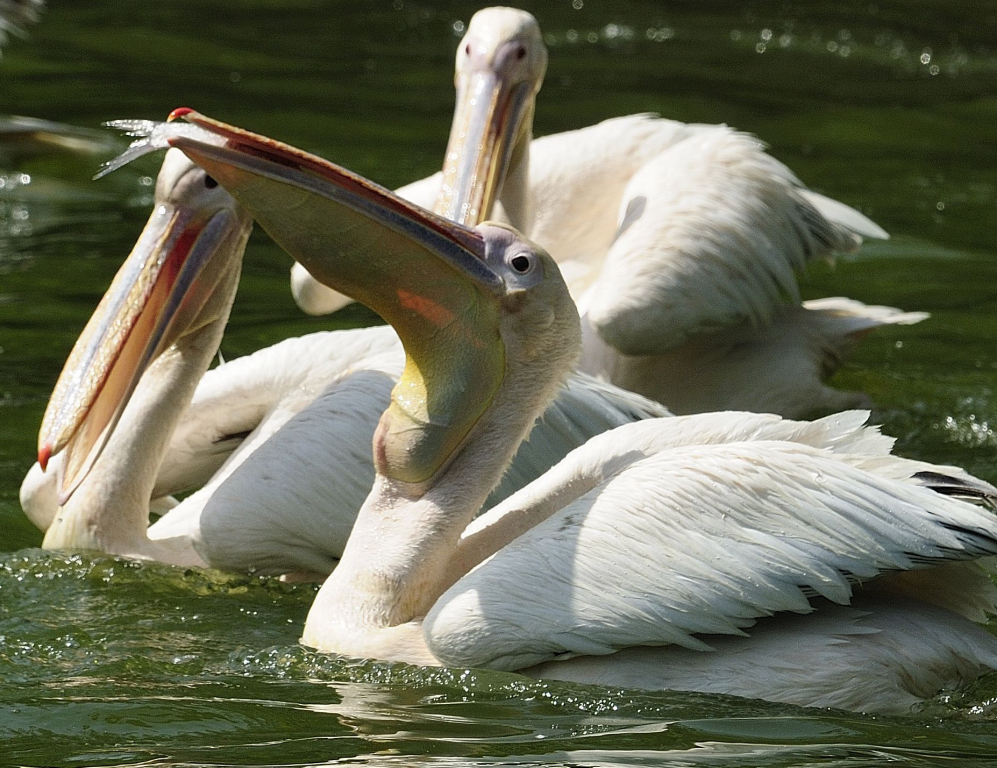
A pelican catches a fish and swallows it in a big gulp.
The pelicans have been fishing with their pouches for millions of years. The oldest known pelican fossil dates back approximately 30 million years. This fossil, discovered in 2008, is a pelican skull which has a beak very similar to those of modern pelicans.


An Australian Pelican can take in about 13 litres of water. They follow a regimen of stretching exercises to keep their pouches in good health.
Pelicans are not just about pouches. They are beautiful birds, mostly white or light grey in colour, with some featuring black or dark grey flight feathers on their wings. There are some brown and pink-backed pelican species, though. They are large waterbirds with short legs and fully webbed(totipalmate) feet. All four toes are connected by webbing. Not great for walking, but they help make them excellent swimmers. No wonder pelicans spend most of their time on or near water. They are mostly silent, not noisy.
Australian Pelican has the longest beak and one of the largest wingspans of any bird. The male of this species has a bill up to almost 20 inches long. The Dalmatian Pelican’s wingspan is nearly 11 feet, making it one of the world’s largest wingspans. The Great White Pelican weighs up to 13 kilograms (almost 30 pounds). Pelicans are among the heaviest flying birds in the world.
The sexes are very similar. During the breeding season, both develop bright colours on the bare skin of their faces and gular pouches. They breed in large breeding colonies. Hundreds of pelicans congregate in places which are relatively safe from predators. Some species nest on the ground, others make stick platforms in trees. Pelicans find a new mate each year. They lay 2-3 eggs, which are incubated under the webbed feet of the parents. Both parents take care of the babies.
There is a widespread myth about pelicans. It is said that in times of famine, a mother pelican wounds her own chest with her beak to feed her chicks with her blood. Originating from the myth of self-sacrifice, the pelican became an important symbol in Christian art and theology. Just as the mother pelican gives her blood to nourish her young, Jesus gave his blood on the cross for the redemption of humanity. Known as a “pelican in her piety,” this imagery is found in religious art and architecture throughout Europe. However, the truth is that pelicans feed their young by regurgitating food from their gullet. During breeding season, some species of pelicans develop a reddish pouch. The myth may have originated from a misinterpretation of the pelican’s behaviour of pressing its bill against its chest to empty its pouch.
In ancient Egypt, the pelican (Henet) was a goddess associated with the afterlife. Its large beak was likened to the tomb shaft, and symbolised the deceased’s ability to leave the burial chamber and enter the sunlight.
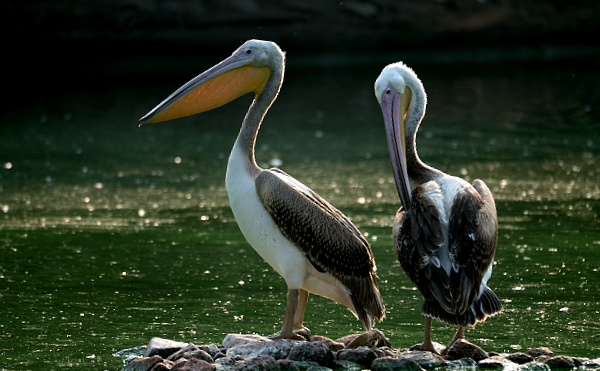
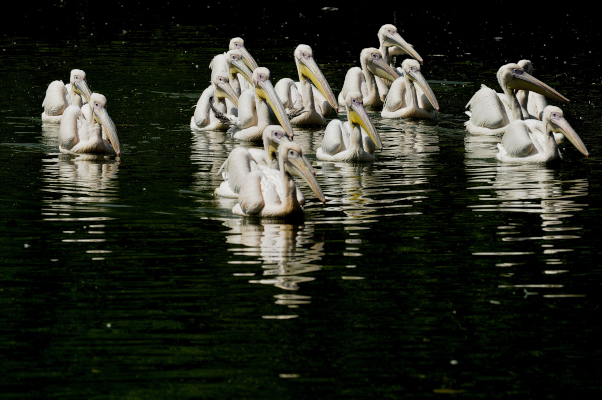
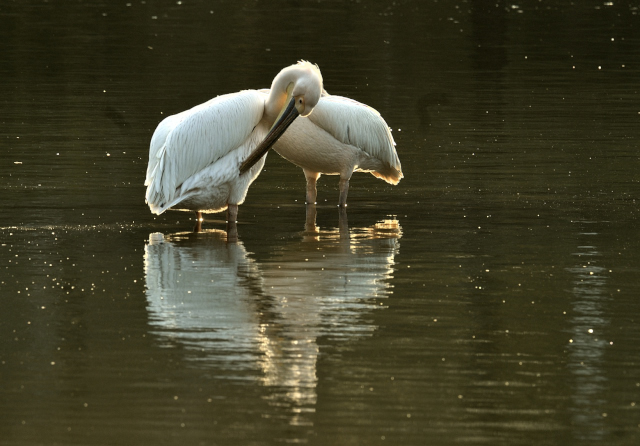
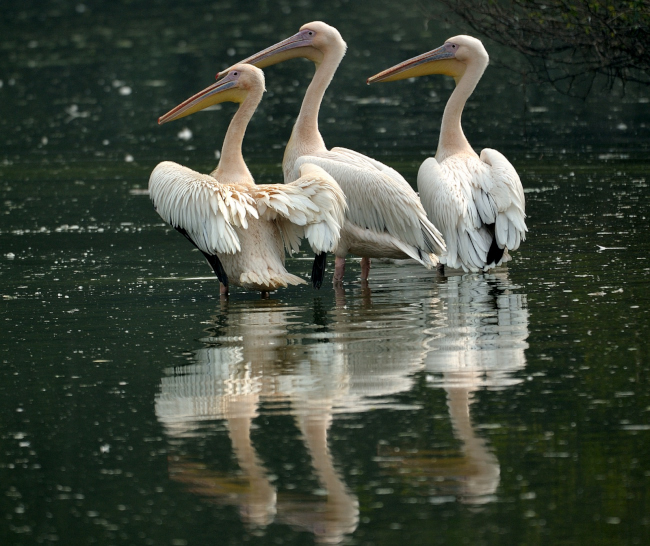
Juvenile Rosy Pelican or Great White Pelican.
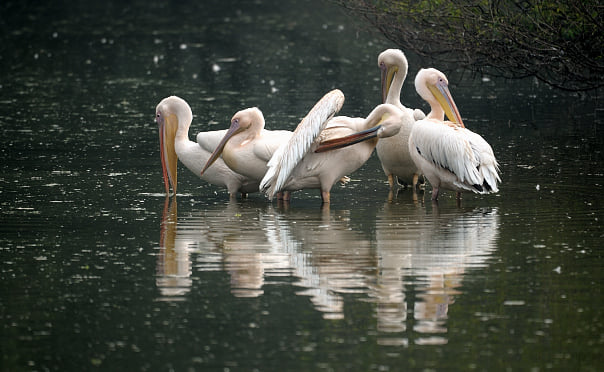
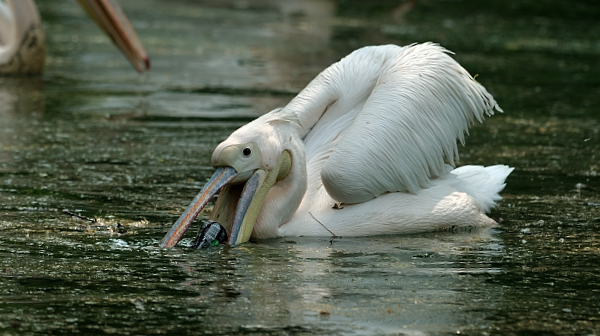
A Rosy Pelican mistook an empty beer can for a fish.

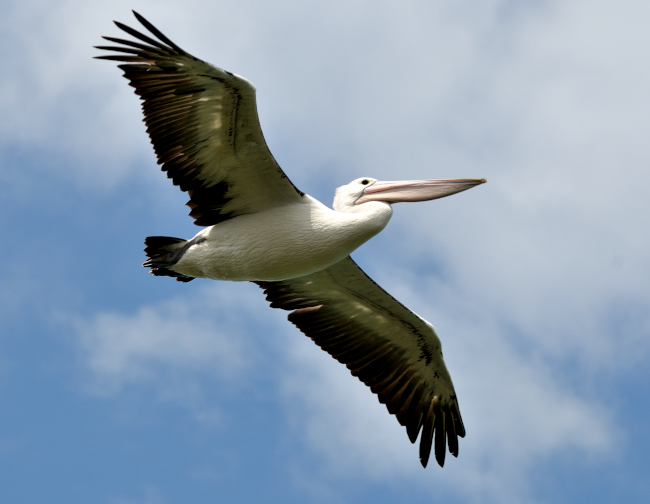
An Australian pelican, slowly, steadily flapping its enormous wings.
Climate change is a big threat to pelicans. Pelicans feed and breed around water. Freshwater habitats are among the most threatened in the world. Fish populations may plummet due to ocean warming. Habitat destruction by humans is another high risk. Pelicans become entangled in old nets or fishing lines. Oil spills in the oceans are reported off and on; they can be devastating to pelicans and other birds.
Photos and text by Prerna Jain.

 Prerna's Photographs