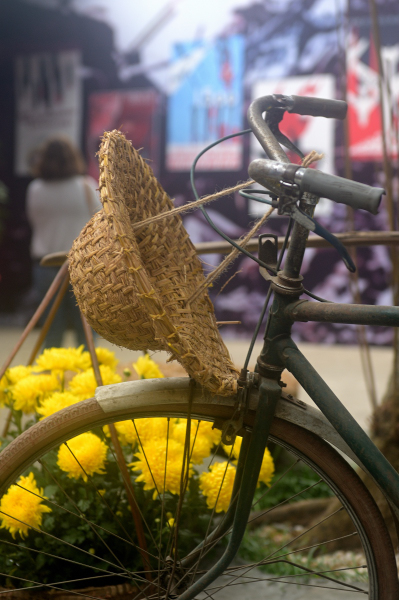
While going through my old photographs from my trip to Vietnam, which I had taken a few years ago, I came across pictures of an exhibition titled Tim Lai Ky Uc (Finding Memories). The exhibition was held at the Hoa Lo Prison in Hanoi. Often referred to as “hell on earth,” this famous prison has been mostly torn down; the remaining structure is occupied by a museum. It showcases the sufferings endured by Vietnamese prisoners under French colonialists.
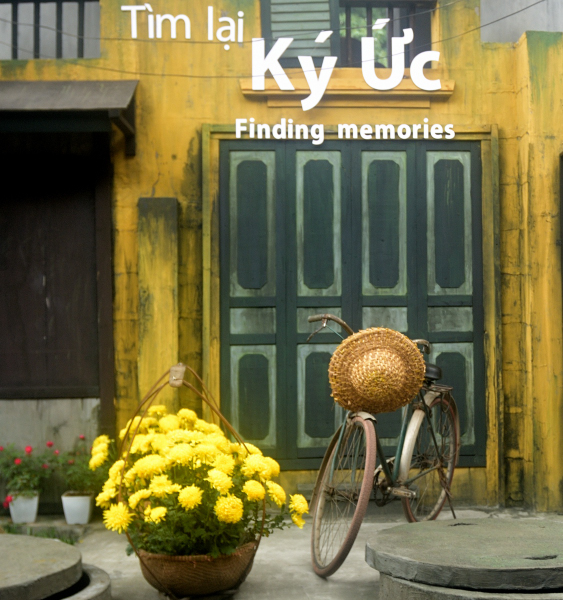
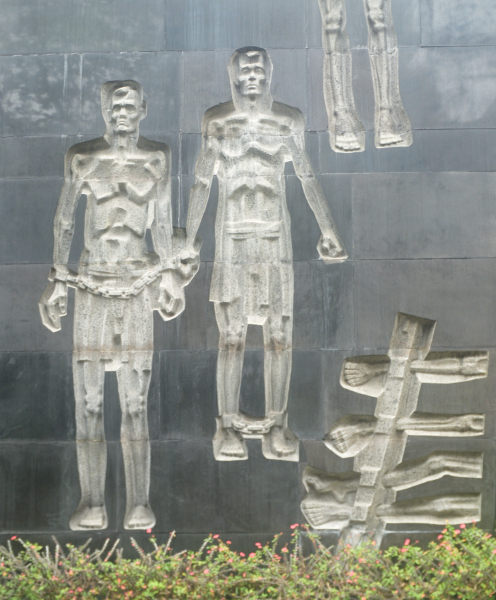
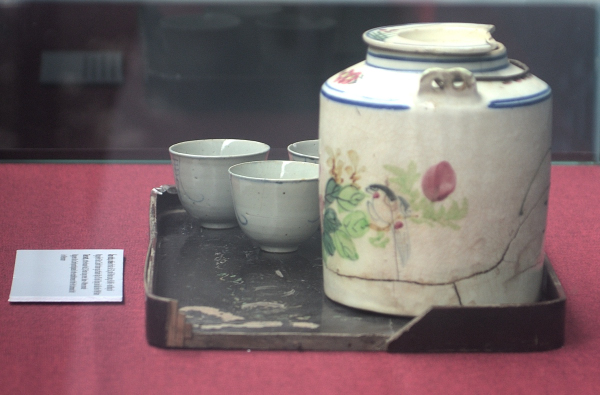
The exhibition was organised to mark the 45th anniversary (April 30) of the 12-day historic battle against USB-52 bombers in December 1972 – known as the “Dien Bien Phu in the Air”. Many bombers were downed and taken into captivity by the local Vietnamese people. This exhibition recreated the 12-day battle through documents, photographs, and memorabilia of American prisoners of war. 1,318 Hanoians were killed and 2,000 houses were destroyed in the war. The US was forced to withdraw their forces from Vietnam.
After the war, Hanoi focused on reconstruction and rebuilding infrastructure. Hanoi, a thousand-year-old city, has tremendous cultural and historical importance. The ‘Old Quarter’ of Hanoi is the most densely populated area of the town and is a testament to its rich cultural heritage.
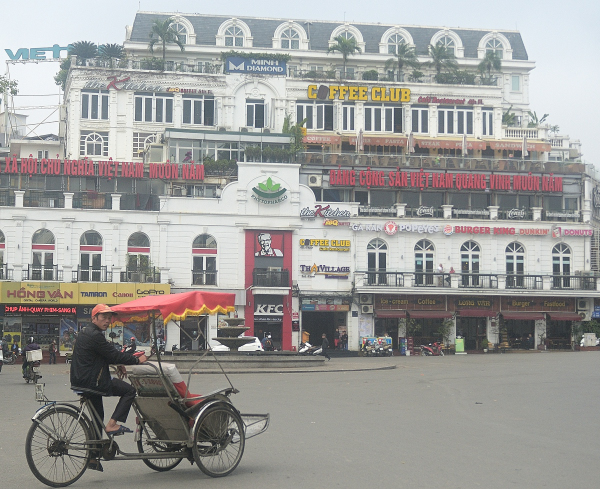
The streets of the Old Quarter are lined with cafes and small shops, which have a distinctive charm.
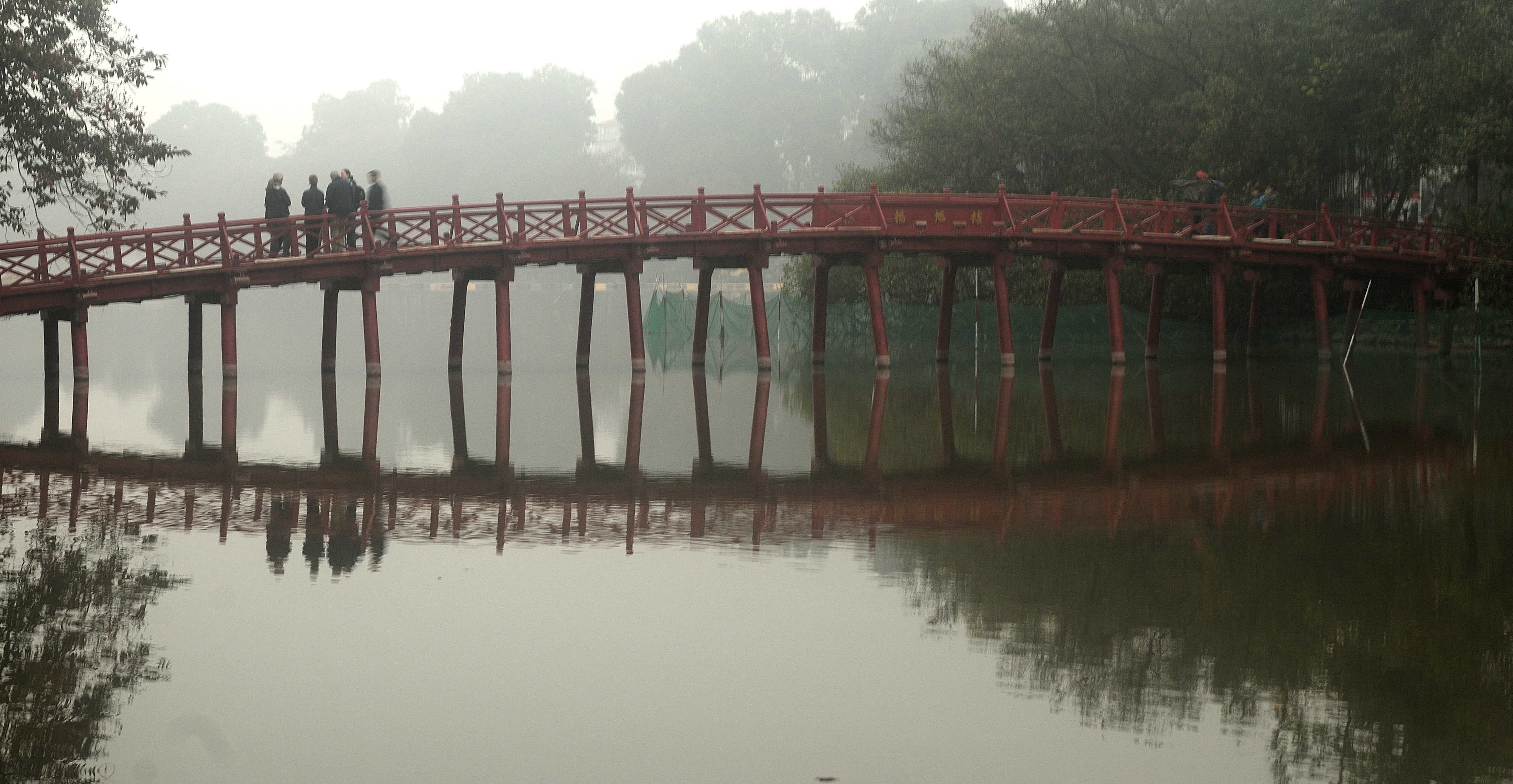
Hoan Kiem Lake, is a natural freshwater lake on the edge of the Old Quarter.A red wooden bridge (The Huc Bridge) on the lake connects the Ngoc Son Temple, situated on a small island on the lake, to the city’s Old Quarter. This ancient lake shimmers at night with lights reflecting from the shops and cafes around it.
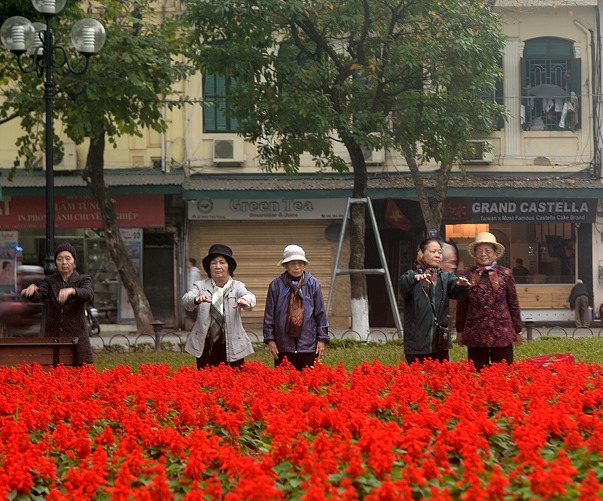
The pedestrian streets around the lake are great fun. They beautifully showcase the blend of ancient and modern beauty that the city offers. In the mornings, you can see men and women jogging, performing traditional exercises. In the evening, you can listen to folk music and see young men and women enjoying themselves.

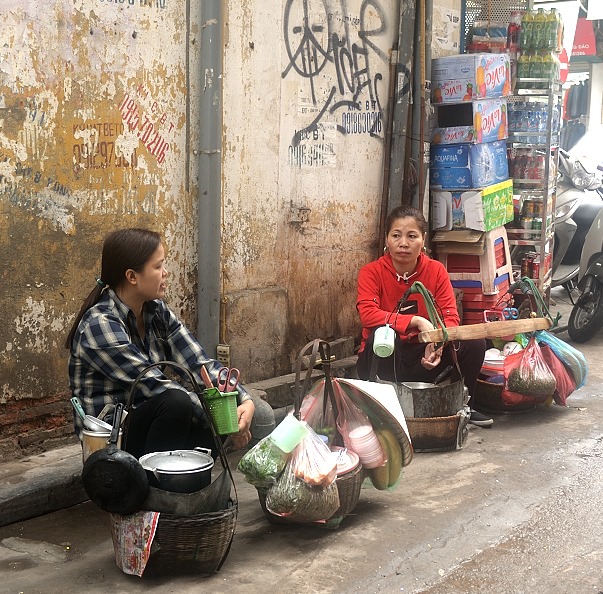
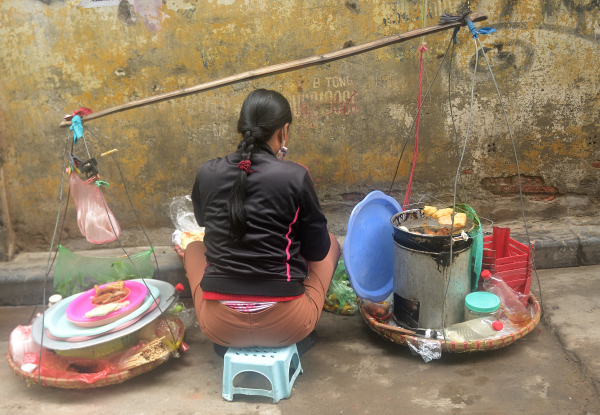
On the streets of Hanoi, mobile food vendors carry with them everything they need for their day’s work. A stove, raw ingredients, dishes or trays for food preparation and serving, a bowl for washing food or utensils, and a large bag to carry the dirty dishes used by their customers. These tools are carried in two baskets balanced upon a pole that acts as a yoke across the vendor’s neck.
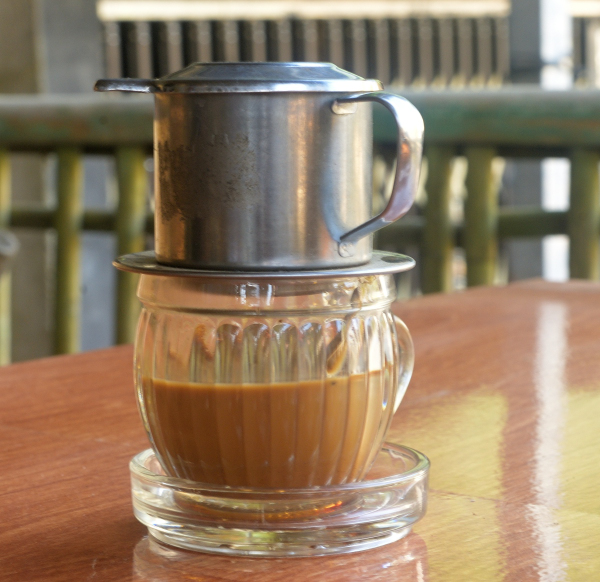
Vietnam’s history with coffee dates back a couple of centuries. It was introduced by the French as early as 1857. Vietnamese coffee contains twice as much caffeine as Arabica beans and tends to have a harsher taste, especially when it is dark-roasted. It is traditionally made using Robusta beans. Vietnam produces 20% of the world’s coffee and 40% of the world’s Robusta beans.
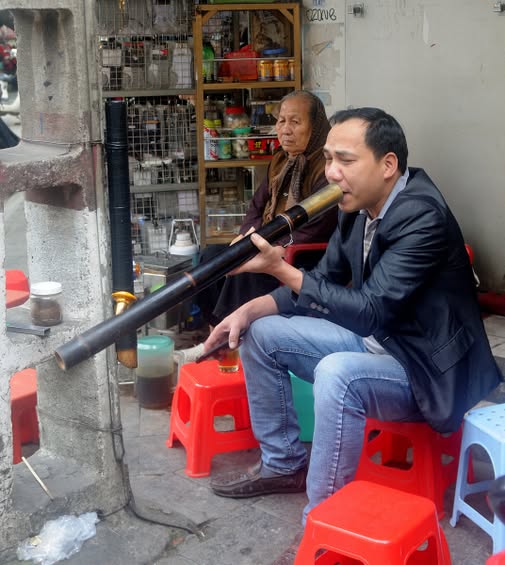
The wooden pipe is called, Dieu cay. Vietnamese smoke tobacco called, Thuc Lao in it. Not a very uncommon sight in Vietnam. I guess it is the Vietnamese version of Indian “Hukka”.

120 miles from Hanoi is Ha Long Bay, a UNESCO World Heritage Site. Emerald waters surrounded by thousands of towering limestone islands, topped by rainforests, and a city made up of hundreds of ships, coming and goingin and out of the bay. As the night approaches, the ships start anchoring at their designated places. The lights of the ships turn on one by one, and the whole area lights up beautifully with bright lights and their reflection in the water. There is music, dancing and feasting happening on the decks.

Early morning and evening there are floating hawkers approaching the ships with interesting wares like necklaces made of seashells. Most of these floating boats are rowed by women, sometimes accompanied by their children.
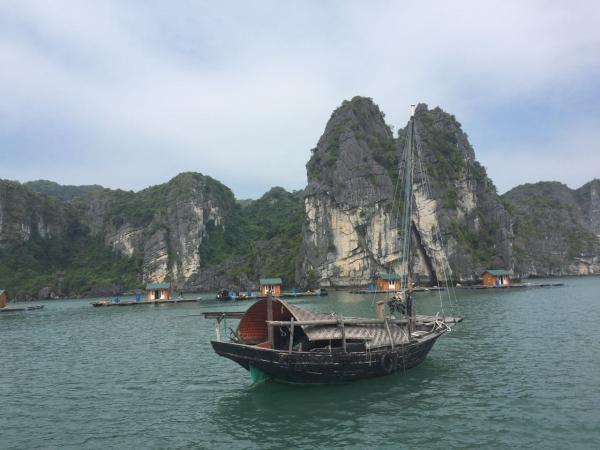

“Village on boats” in Ha Long Bay
Sa Pa is a picturesque mountain town in northwestern Vietnam, approximately 300 km away from Hanoi. It is known for its stunning natural beauty, terraced hillsides, and rich cultural diversity.
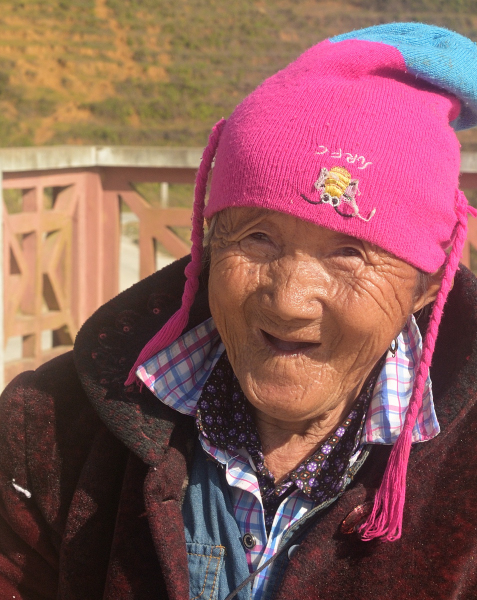
Cat Cat Village is the oldest settlement in Sapa. This village was established in the 19th century by Hmong, Dzao, and Black H’mong tribes.
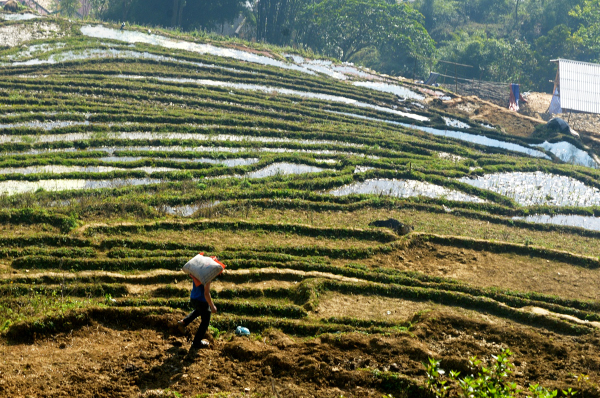
Surrounded by fields of rice terraces and corn, this popular tourist destination is a blend of culture, history, and natural beauty.
The Vietnam War lasted for 19 years( 1955-1975). It was a long, costly, and divisive conflict. The human cost of the war for the US was over 58,000 American deaths. ‘Vietnam Syndrome’ is a term used for the people of America after the defeat in the Vietnam War. This term refers to the American public’s aversion to overseas military interventions following the failure of the Vietnam War. While reading about the Vietnam syndrome, I wondered if there would be a Gaza Syndrome or a Ukraine syndrome after the concerned governments realise the futility and the destruction left after the end of armed conflicts.
Photos and text by Prerna Jain.

 Prerna's Photographs