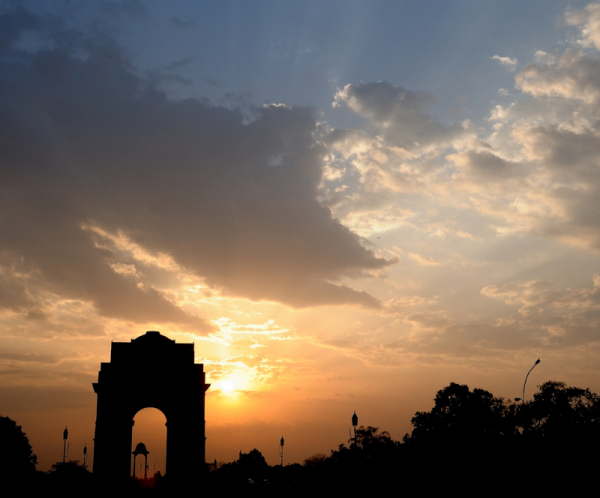
While cleaning my study table drawer, I found this old DTC bus pass from the 1980s. My mother had handed it over to me a few years ago. She found it along with an American Centre Library card while cleaning her cupboard. The cupboard, which used to be mine, many decades ago.

It was a DTC all-route student bus pass, issued in 1984. This faded card used to be soft pink and cream. 3 months of travel for the princely sum of ₹ 12.50per month. I understand it is still the same. A three-day grace period after the expiry date, during which it had to be renewed. I used to get it reissued from Scindhia House, KG Marg, Connaught Place. I checked online, they still have an office there. Travelling in a DTC bus wasn’t a sign of being poor then; it was something everyone did, most of us did.
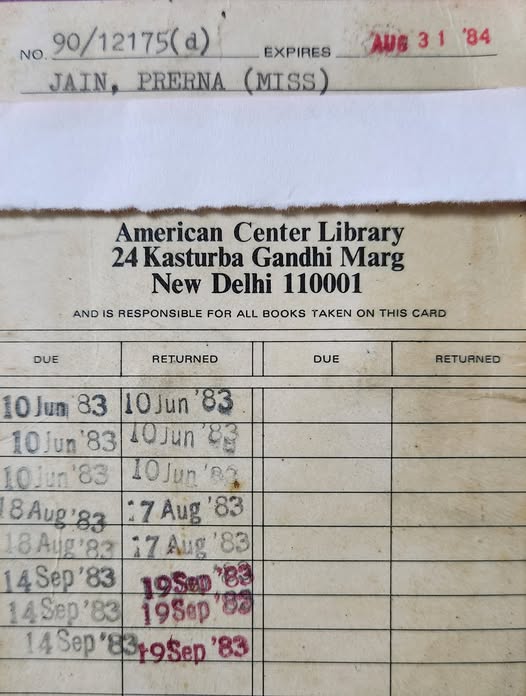
The air conditioning of the American Centre Library was exceptionally cool. I had to wear a full-sleeve shirt when visiting the library, even during the sweltering summers in Delhi. At home, we were accustomed to air coolers that required refilling with water twice a day. The water pipe snaked up to the other end of the house, where the tap was. The cooler overflowed, and the pipe mostly leaked on the way from the courtyard to the room.
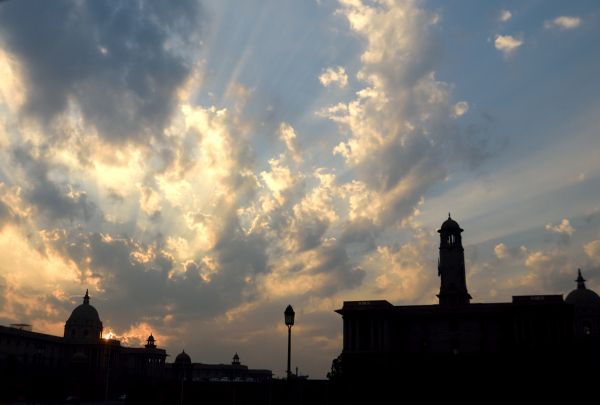
One thing about Delhi in the 1980s that we didn’t appreciate at the time was that it had clear blue skies and the air was clean. Stars were visible in the sky in those days. We realise that now, when we see the murky skies and breathe in polluted air. The reasons were many, the most important being that there were very few vehicles, and the number of people was also much smaller. The cars were mostly Ambassadors and Fiats, with a few Maruti 800s also present. Maruti had collaborated with Suzuki; it used to be a prized possession. A few large cars, such as Mercedes or their equivalents, were sometimes visible on Delhi roads; any passerby would invariably stop to take a look at them.
There were many powerless nights, but no generators to pollute the air. Inverters had yet to be invented. People would gather outside their house, complaining about the electricity department. People slept outside on balconies, terraces, and in open areas just outside their homes. We could hear the sound of crickets, and some fireflies were visible too.
Many changes occurred in Delhi in 1982. India hosted the Asian Games that year. Numerous stadiums, flyovers, hotels and the games village were constructed in a span of 20 months to prepare Delhi to host the games. Colour television was introduced in India for the first time. The Delhi Ring Railway was started. Appu Ghar, our very own Disneyland, was constructed in Delhi. A significant cultural import happened in 1982. For six weeks, the National Gallery of Modern Art exhibited the works of the great French sculptor Auguste Rodin.
The Indian computer industry, which began with hardware assembly, later contributed to the growth of the software and software services industry. Telecom infrastructure received a significant boost through the STD booth systems nationwide.
Kapil Dev won the World Cup, and Squadron Leader Rakesh Sharma was launched into space. Indians watched the country win a World Cup for the first time. Cricket superstars were celebrated on Television. Box televisions and shaky antennas were the highlight of the entertainment industry. News anchors read out the news without any drama. Tickets for hit movies were sold on the black market.
Malaria was common, but Dengue, chikungunya, and their allies were non-existent. We drank Gold Spot, Campa Cola and Thums Up, the actual Indian brands, before they vanished. We drank Rooh Afza, ate at Nirula’s. Rasna and Tang later became a part of our lives. D Paul’s coffee at Janpath was a popular coffee joint. Children pretended to smoke Phantom cigarettes, the sweet white cigarettes with a red centre.
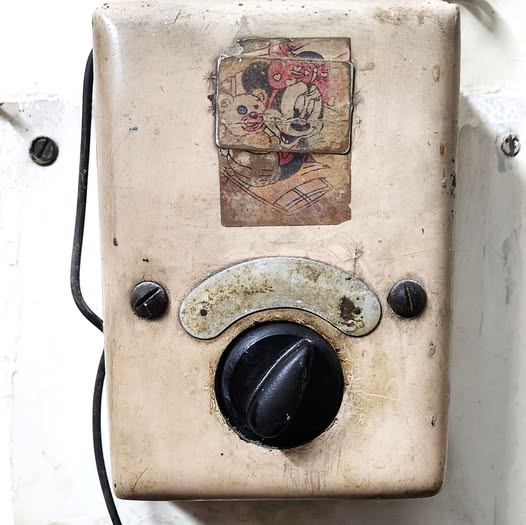
This fan regulator didn’t look this outdated in the 80s. Although it may not have looked beautiful, it functioned properly. Opened and repaired a few times. The Mini Mouse sticker on it is more than three decades old.
The most painful part of the 1980s was the assassination of Prime Minister Indira Gandhi and the anti-Sikh riots that followed it.
Life was simpler. FOMO hadn’t been discovered. Joys were simpler; there was less consumerism, and showing off was even less.


 Prerna's Photographs