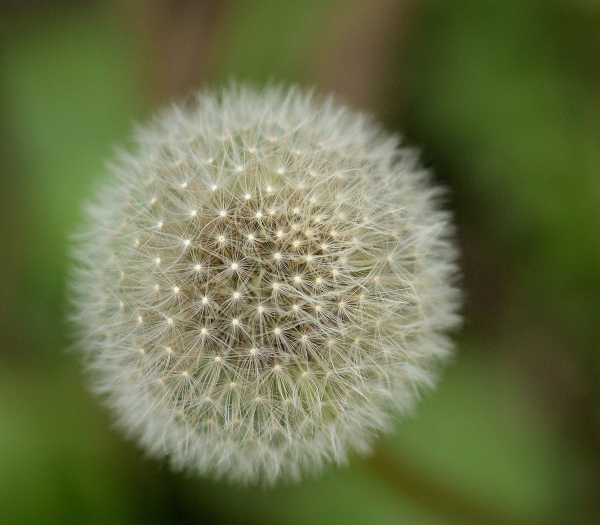
Blowing on dandelion puffballs is so much fun. They bring back your lost childhood. If you catch a flying dandelion seed, you can make a wish, just like you can with the eyelash. Blowing dandelion seed heads is especially significant in romantic contexts. Lovers blow dandelion seeds into the wind, trusting that, if you can blow all the seeds off a dandelion with a single breath, the person you love will love you back. The chances of your wish being fulfilled are the same as in the case of blowing eyelashes.
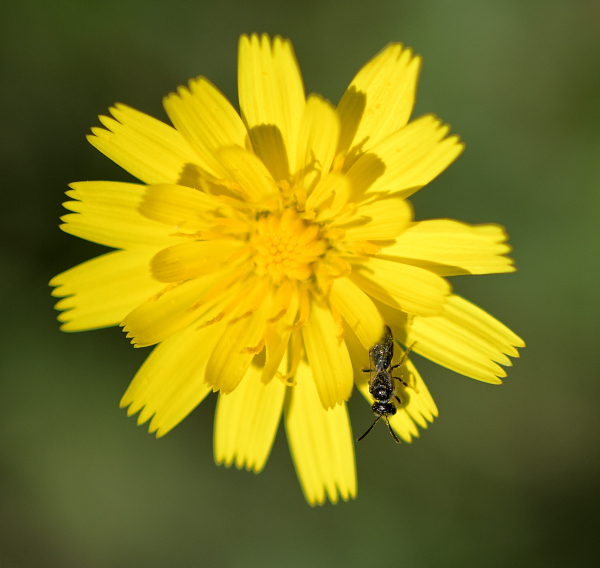
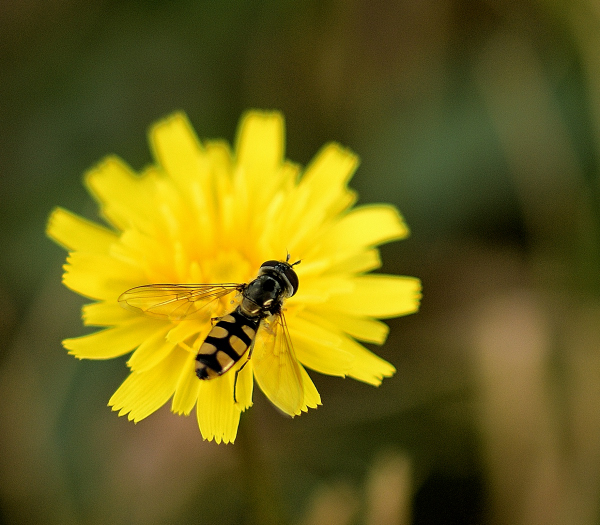
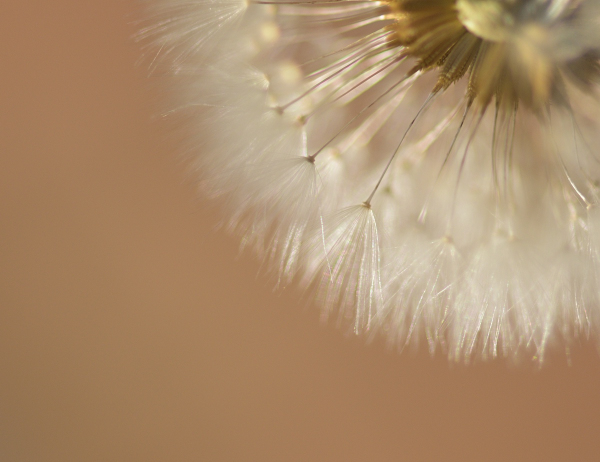
The dandelion flower head is a bright yellow composite flower. There is a dramatic transformation from gold to silver. The tiny individual florets that form a spherical seed head, called a ‘clock’ or ‘wish ball ‘, convert into numerous single-seeded fruits attached to feathery structures that enable them to fly in the wind.
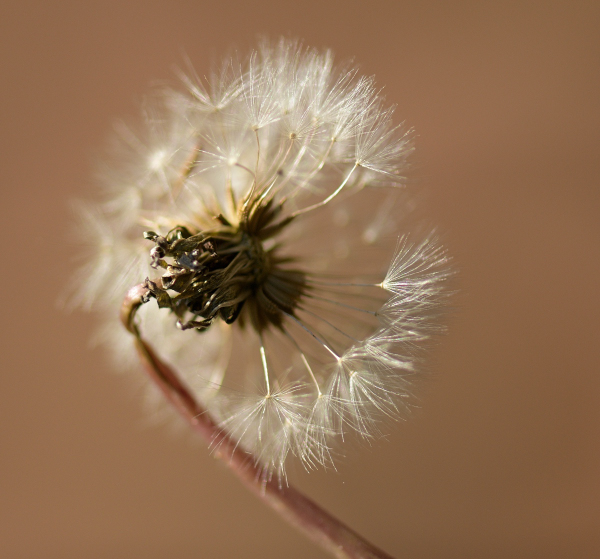
If there was an example of survival of the fittest, it is the dandelions. They are fast growers. Their sunny yellow flowers turn into seeds within a few days. They possess self-pollination capabilities, and their wind-dispersed seeds can travel miles. Dandelion plants can survive for years. As years pass, their roots sink deeper and deeper. When divided, a small piece of dandelion root can grow a whole new dandelion. No wonder they are a symbol of resilience. It is very tough to get rid of them, as they can take root in barren habitats and their leaves can push their way through hard gravel and cement.

Although dandelions have deep roots in history, they are still treated as weeds. The ancient Egyptians, Greeks, and Romans loved them. They have been used in Chinese traditional medicine for more than a thousand years. Dandelions are believed to have more vitamin A than spinach and more vitamin C than tomatoes. They contain iron, calcium and potassium.
Dandelion flowers symbolise resilience, survival, emotional healing, and the fulfilment of wishes. The flower’s name is derived from the Latin phrase ‘dens leonis.’ It refers its jagged leaves, which resemble a lion’s teeth. This evolved into ‘dent-de-lion’ in French before becoming the English ‘dandelion’.
Photographs and text by Prerna Jain.

 Prerna's Photographs