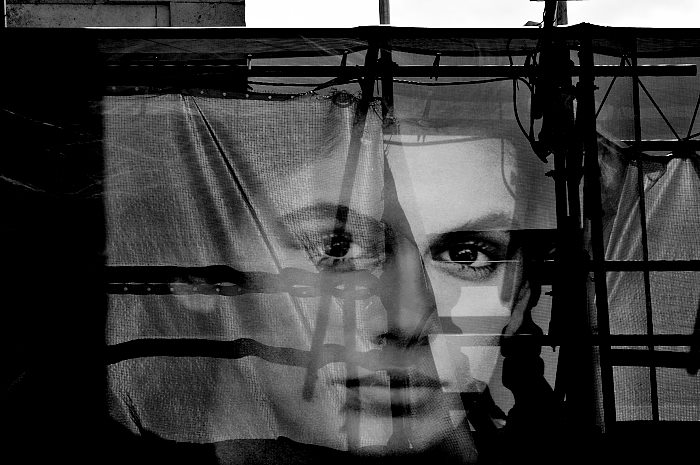
Indira Gandhi, our first and so far only woman Prime Minister, was assassinated 40 years ago. My domestic help says she still votes for Indiraji because she gave her the house where her family lives. Her family has changed sides, the symbol of Indiraji’s party has changed, but she hasn’t changed her loyalty.
I was reminded of a woman I knew as a teenager, who was a die-hard fan of Indira ji. She was a bright student, yet she was forced to leave school when she was in class six. She had protested, but soon gave up. Like other girls in her community, she was married off at a young age and, as expected, settled into her new family.
The year was 1977, and the results for the first general elections after the Emergency were being declared on Doordarshan, the state-sponsored TV channel. The media was a different beast back then. No exit polls, no opinion polls, no sting operations, no screaming anchors pronouncing verdicts and no discussion on results before the votes were cast. The state-controlled media was quiet about the predicted outcome of the elections. However, it was generally understood among the people that defeat was inevitable for the then prime minister. Her close confidantes were deserting her one by one to join the hastily formed coalition of Opposition parties. The writing was on the wall, yet no one knew what would happen after the results were declared. No one knew whether Indira ji would respect the people’s verdict and resign or whether she would continue to hold on to power even after her defeat. The first few seats declared were from southern India. To everyone’s surprise, all of them went to Indira ji’s Congress. A wave of uncertainty ran through the viewers. Could the impossible happen? It was in people’s minds.
In the last few months, dinner table discussions in her family(the woman I mentioned earlier in this post) were focused on the state of Emergency in India. Her husband’s uncle had spent a lot of money to get a juicy government posting, a lucrative position. As luck would have it, a month after he joined, Emergency was declared. Taking bribes became a risky affair and he couldn’t recover his investment. Everyone’s sympathies were with him. He had paid a hefty bribe to get the posting but he could not reap the benefits he should have earned. Emergency was a deplorable state, the family declared. It meant the loss of democracy and democratic freedom, it was true. No one was however fooled about the real reason for the family’s indignation; or at least they wouldn’t have been had they thought about it. Everyone had their own reasons for supporting or condemning the government with equal intensity.
When the Emergency was finally lifted and general elections declared, a whip was issued in her family. Everyone was to vote for the opposition. No one was to place their stamp on Indira’s symbol – the cleverly chosen cow with its calf that might otherwise appeal to the emotional sensibilities of the women in the family. The women must go out and exercise their right to vote, but as per the instructions of the men. Their democratic rights were nobody’s concern. What did they know about life outside the house? They got to eat well and received good clothes to wear. They were taken to buy an occasional piece of jewellery. That should suffice to keep them happy and satisfied. The outside world was not their business.
She had met me after casting her vote. She looked around furtively to make sure no one was listening and whispered in my ears, “Don’t tell anybody, I voted for Indiraji, I like her. She is a strong woman and men are scared of her”.
It wasn’t a revolutionary, bra burning feminist moment but it proved the spark was still alive in her.
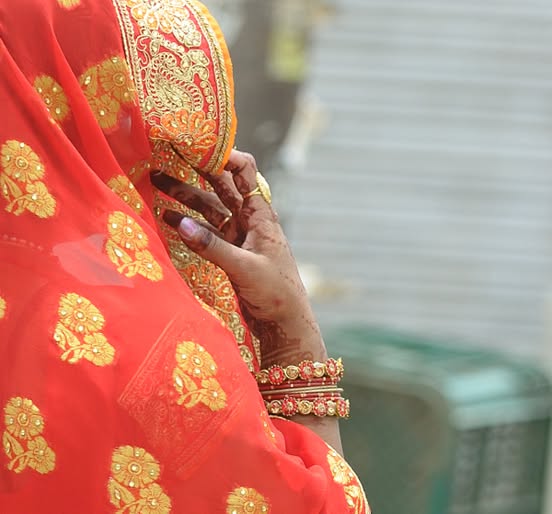
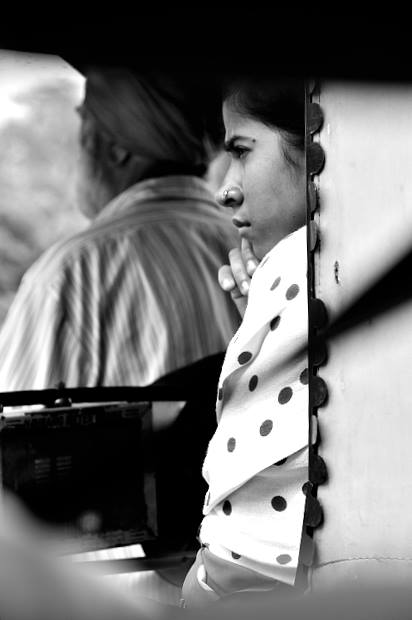
Photos and text by Prerna Jain.

 Prerna's Photographs