
Mount Fuji or Fujisan is a solitary stratovolcano located on the island of Honshu, around 100 km southwest of Tokyo. It rises to 3,776 meters and is Japan’s highest peak. The volcano’s steep, conical profile is the result of numerous layers of lava and debris from explosive eruptions over time. The most recent explosive activity occurred in 1707. No further eruptions have occurred at Mount Fuji for almost 300 years. Some experts believe that it will awake again.
For centuries, Fujisan has been cherished in Japanese legends. It has both cultural and religious significance for the people of Japan. Like ancient Gods, it has been both revered and viewed with apprehension. People and nature coexist through the realms of religious belief and art. It combines traditional Japanese mountain worship with Buddhism, a non native religion.
There are many folk stories about Mount Fuji’s miraculous emergence and divine connections. In a popular folktale, a farmer named Visu lived in the dry land of Suruga. He was unable to grow anything, and thus Visu couldn’t provide for his family. Visu was woken up by a loud cracking noise one day. He thought that it was an earthquake and rushed out of the hut with his family. He witnessed the huge Mount Fuji erupt from the ground. Mount Fuji created fertile soil, and Visu and his family thrived. He named the mountain “Fuji-yama,” the eternal or never-dying mountain.
Some others believe that the name Fuji comes from the Aino people’s Goddess of Fire, called “Huchi” or “Fuchi.” The first woman to trek Mount Fuji, Tatsu Takayama, disguised herself as a man when she climbed the mountain in 1833 because, until 1872, women were forbidden to climb it due to the belief that the Fire Goddess would become jealous of them.
The main deity of Mt Fuji, Princess Konohanasakuya, is symbolised by cherry blossoms. There is a Shinto shrine dedicated to her at the summit of Mount Fuji. Ceremonies are held there to ensure that all climbers are safe on their trek.
Mt. Fuji was added to the World Heritage List as a cultural property during the 37th session of the UNESCO World Heritage Committee, held in June 2013. It was called “Fujisan, Sacred Place and Source of Artistic Inspiration”. The snow-capped, conical form of Mount Fuji has been a popular subject for Japanese art. It was featured in “Man-yoshu”, the oldest existing collection of Japanese poetry, written in the 8th century. This sacred peak is believed to hold the secret of immortality in its depths. It was mentioned in “Taketori Monogatari” (The Tale of the Bamboo Cutter), the oldest prose narrative in Japan, in which a goddess deposits the elixir of life on the peak.
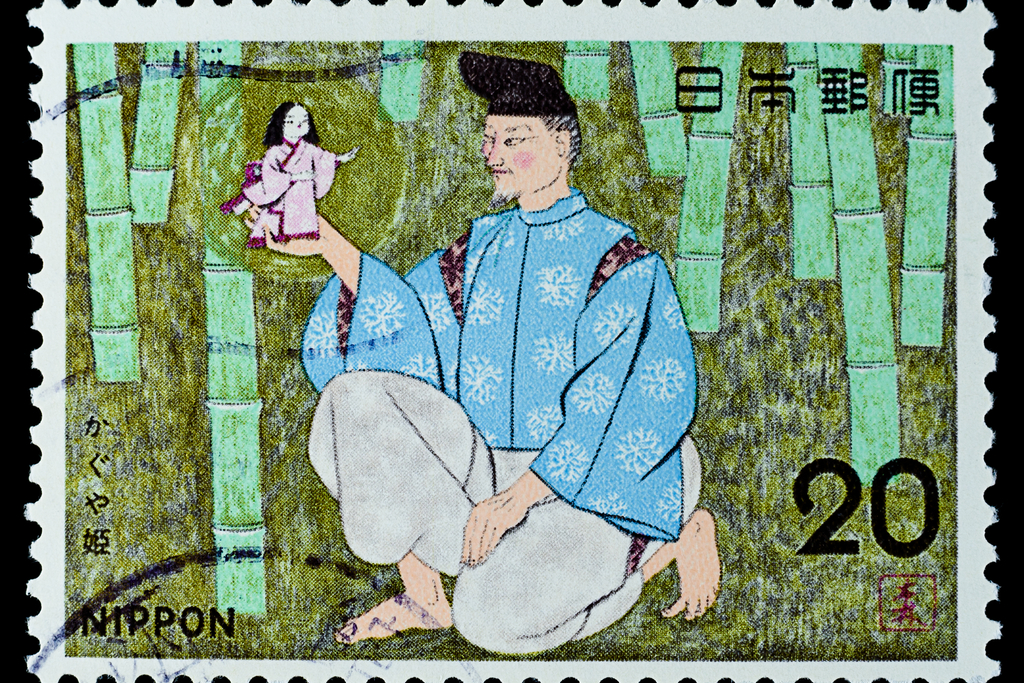
Japanese postage stamp featuring an image from “The Bamboo Cutter” folktale(image from Wikipedia)
In the 19th century, the woodblock prints of Katsushika Hokusai, the Thirty-Six Views of Mount Fuji, made it a symbol of ‘Oriental’ Japan. These prints had a significant impact on Western artists such as Van Gogh and Monet. Fujisan continues to inspire artists even today.

The Great Wave off Kanagawa, created in late 1831 by Katsushika Hokusai, shows Mount Fuji in the background.
(Image from Wikipedia)

Mt. Fuji offers different views, changing with the seasons and throughout the day. In winter, it is covered with pure white snow. In the summer, it wears a delicate crown of snow. Different viewpoints give different impressions of the mountain. Clouds can block the view of Fujisan, though. I could view and appreciate the beauty of Fujisan only on my second trip to Japan. I was told that visibility tends to be better during the colder seasons. And the prospects of a good view are better in the early morning and late evening hours than during the middle of the day.

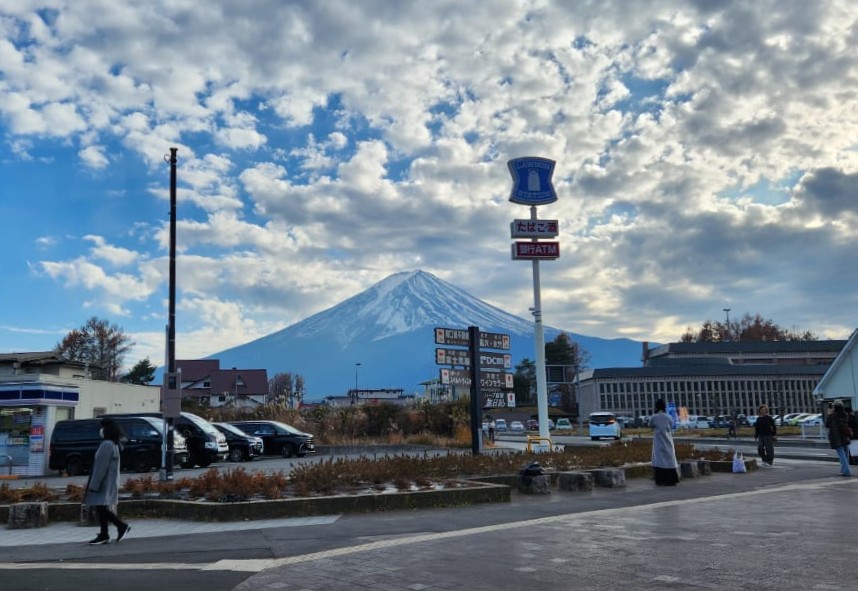
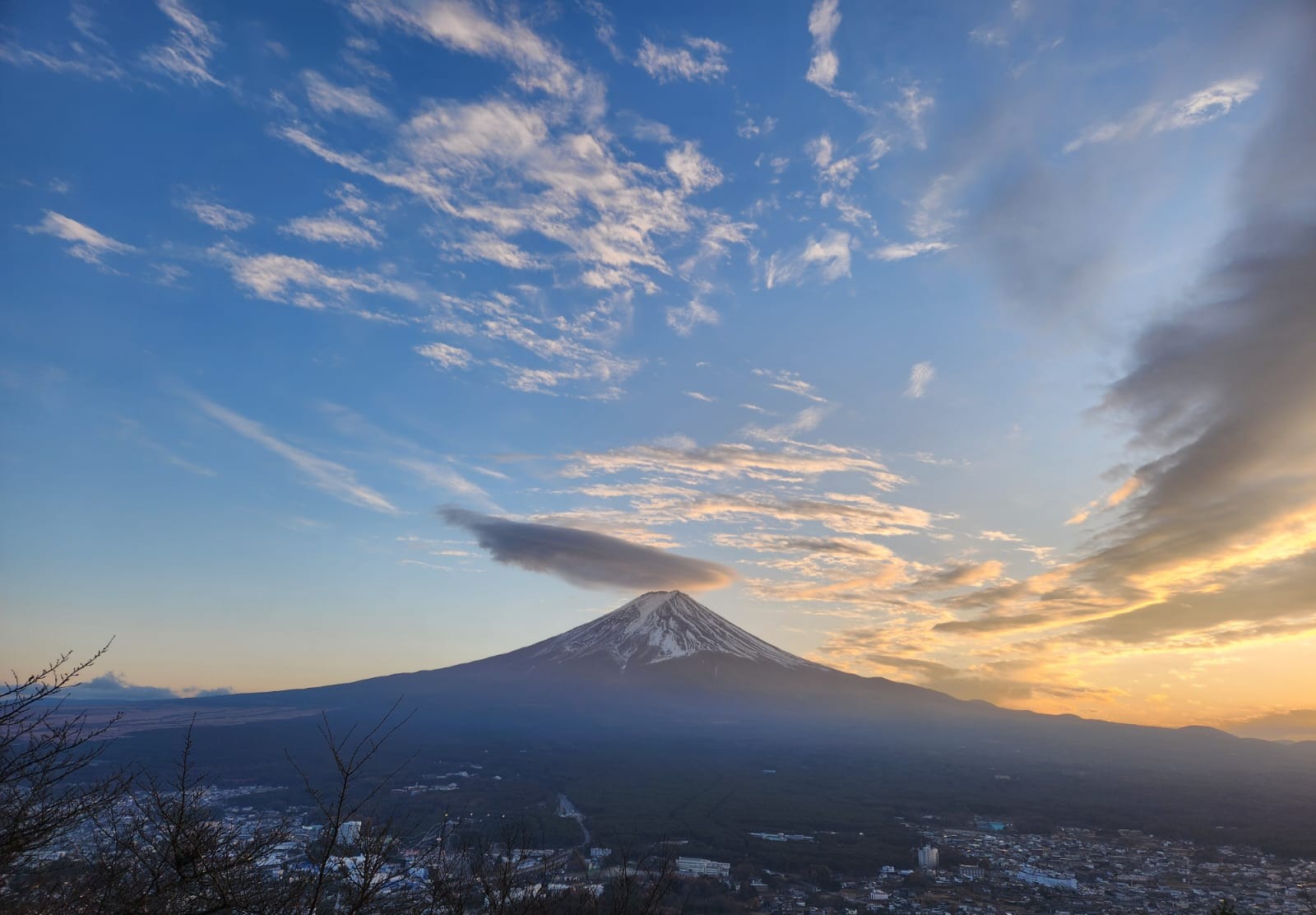
It is difficult to describe the experience of standing before the grand, near-perfectly symmetrical Mount Fuji. There is a proverb, “He who climbs Mount Fuji once is a wise man; he who climbs it twice is a fool.” Perhaps because it is a challenge to climb the steep mountain. Going by the record number of climbers, people probably don’t believe in this proverb.


 Prerna's Photographs