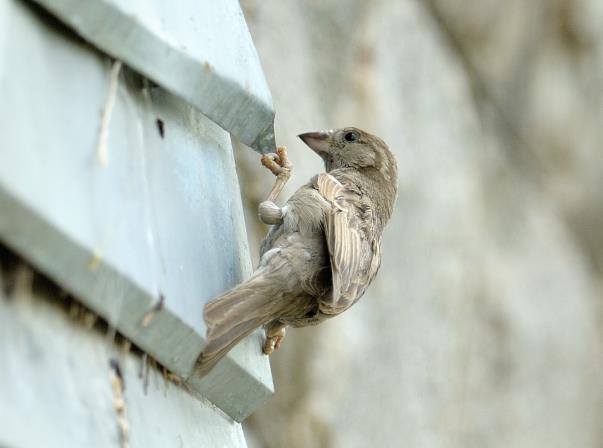
The disappearance of sparrows from Delhi is a reminder of the cost of unchecked urbanisation and environmental neglect. Once taken for granted, the disappearing, rather disappeared sparrows have now become symbols of ecological disaster that we are heading towards.
In the courtyards of Delhi, the sparrow, popularly known as “gorraya”, was a familiar sight. It still is in many cities in India and abroad. It has gradually vanished from Delhi’s everyday life. We grew up watching sparrows hop around courtyards, feeding on grains, insects, and leftover food crumbs. We took their comforting chirps for granted. The sudden decline of sparrows from Delhi reflects deeper ecological imbalances caused by changing human lifestyles and unregulated, unchecked urbanisation. They nested in small crevices in houses, on roofs, and in trees. Just before their nesting season, I remember blocking spaces inside the pelmet covers with crumpled newspapers so that they could not make a nest. This was to prevent accidental destruction of their nests while opening the curtains.
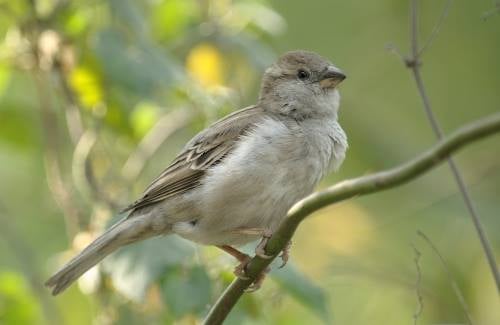
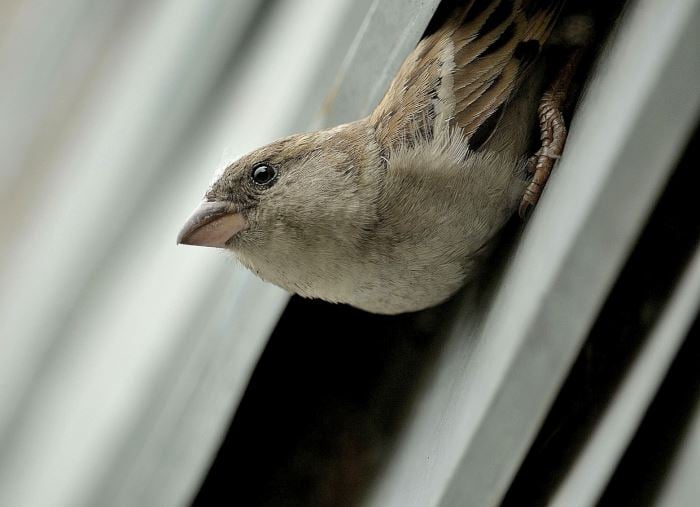
Over the past few decades, traditional houses with open spaces, tiled roofs, and small holes have been replaced by modern concrete buildings with flat facades. Sparrows have lost their natural habitats, as these new structures offer little to no space for them to build their nests. Due to the increasing use of pesticides and insecticides in agriculture and urban gardening, insect populations have significantly decreased. Sparrows feed largely on grains and insects; the decrease in the insect population means reduced easy access to food for these birds. Although scientific opinions on this are divided, the widespread use of mobile towers has often been cited as a potential cause of the decline in sparrow populations. Some studies have suggested that electromagnetic radiation may interfere with the birds’ navigation and reproductive abilities.
Pollution has also played an important role in driving sparrows away from Delhi. Whatever the reason or reasons, birds play an important role in maintaining ecological balance. Their decline reflects how unplanned urban development can harm biodiversity. The disappearance of sparrows is a warning sign that something is wrong with our environment. World Sparrow Day, celebrated on March 20 each year, aims to raise awareness about the conservation of these birds. Protecting biodiversity should be an integral part of city planning. We need to reflect on the impact of our actions on other living beings. Reducing pesticide use and encouraging organic gardening is absolutely essential for creating a sustainable urban environment. Reviving sparrow populations means restoring harmony among the different species that share our beautiful city.

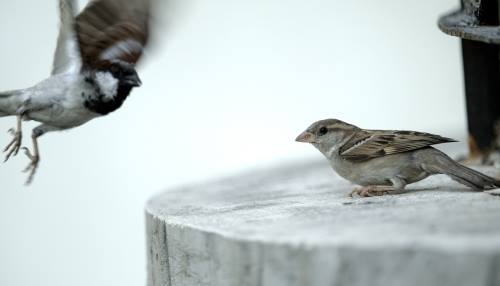

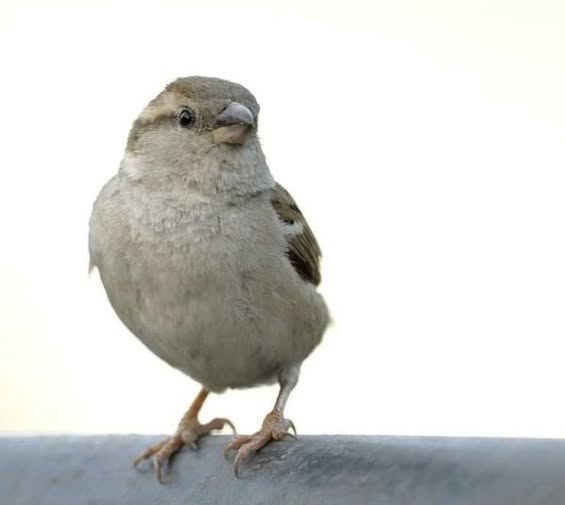


Photos and text by Prerna Jain.

 Prerna's Photographs