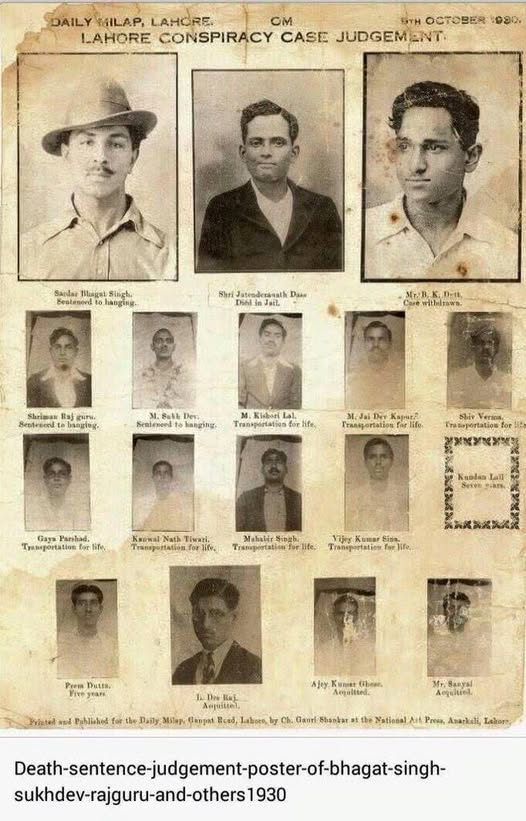
Jis dhaj se koi maqtal mein gaya vo shaan salamat rahti hai
ye jaan to aani jaani hai is jaan ki to koi baat nahin – Faiz Ahmad Faiz
These powerful lines, penned by Faiz Ahmed Faiz, a celebrated Urdu poet, and mentioned by Kuldeep Nayar in his book Sarfaroshi Ki Tamanna, beautifully capture the spirit of Bhagat Singh’s sacrifice. These lines reflect the idea that those who walk fearlessly towards death for a noble cause achieve immortality, as their courage and dignity remain forever.
Bhagat Singh, along with Rajguru and Sukhdev were sentenced to death in the Lahore Conspiracy Case for the murder of British officer John Saunders in 1928, intended as revenge for Lala Lajpat Rai’s death. They were martyred on March 23, 1931. This day is observed every year as Martyrs’ Day in tribute to their courage and sacrifice for India’s freedom.
Bhagat Singh is remembered for his courage; in the face of death, he remained calm and resolute. His legacy goes much beyond his martyrdom. He was not just a revolutionary, but also a thinker ahead of his time. Bhagat Singh is more relevant today than he ever was. At a time when divisions are being encouraged and deepened, we need to remember Bhagat Singh for his vision. It is almost unbelievable how a man who was martyred at the age of 23 could possess such a profound vision. His love for his country included a deep love for its people—across religions, castes, and communities.
Bhagat Singh’s vision for India was expressed through his writings, letters, and recorded statements. His thoughts on freedom, equality, religion, and society can be read in essays such as “Why I Am an Atheist” (written in October 1930) and in letters written from jail while awaiting execution.
“I ask why your omnipotent God does not stop every person when he is committing any sin or offence? He can do it quite easily. Why did he not kill warlords or kill the fury of war in them and thus avoid the catastrophe hurled down on the head of humanity by the Great War? Why does he not produce a sentiment in the minds of the British people to liberate India? Why does he not infuse altruistic enthusiasm in the hearts of all capitalists to forego their right of personal possessions of the means of production and thus redeem the whole labour community from the bondage of capitalism?”- A paragraph from, Why I am an atheist, first published in ‘The People’, a paper founded by Lala Lajpat Rai.
Imagine this being said today, feelings across the religious spectrum in India will be hurt, and the troll armies on social media will be supercharged. It is convenient for political parties and politicians to focus on the supreme sacrifice he made and conveniently forget his vision. Merely hanging portraits of Bhagat Singh and garlanding them on his martyrdom day is not enough to honour his legacy. The vision of Bhagat Singh goes far beyond the story of his martyrdom. His writings should be taught in schools and colleges. Honouring him means carrying forward his vision and values, not just remembering his sacrifice.
The essay, “Why I Am an Atheist”, ends with- “One of my friends asked me to pray. When informed of my atheism, he said, ‘When your last days come, you will begin to believe.’ I said, ‘Never. I consider it to be an act of degradation and demoralisation. For such petty and selfish motives, I shall never pray.’ Reader and friends, is it vanity? If it is, I stand for it.”
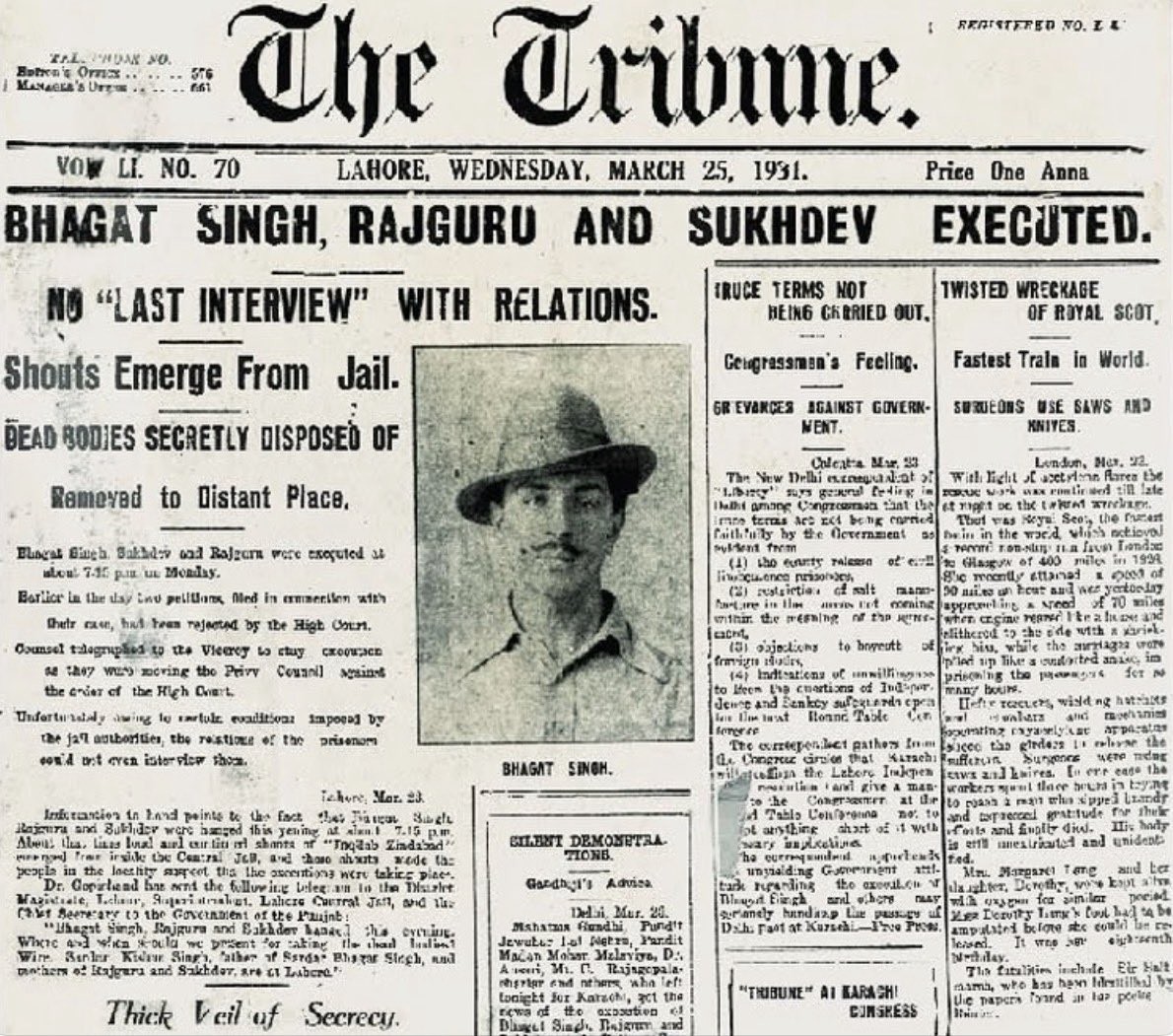
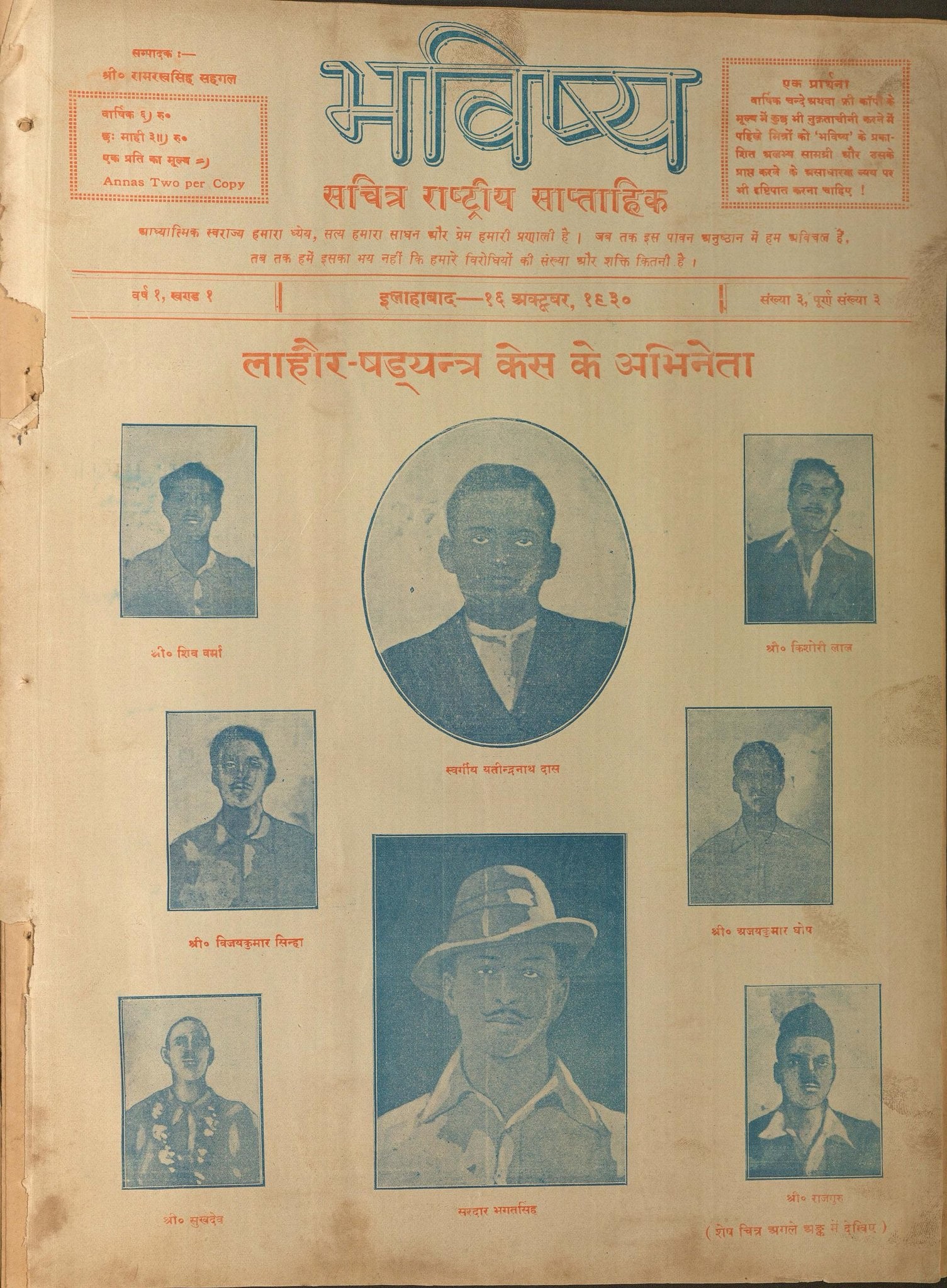
Covers of the Hindi magazine ‘Bhavishya’, Allahabad
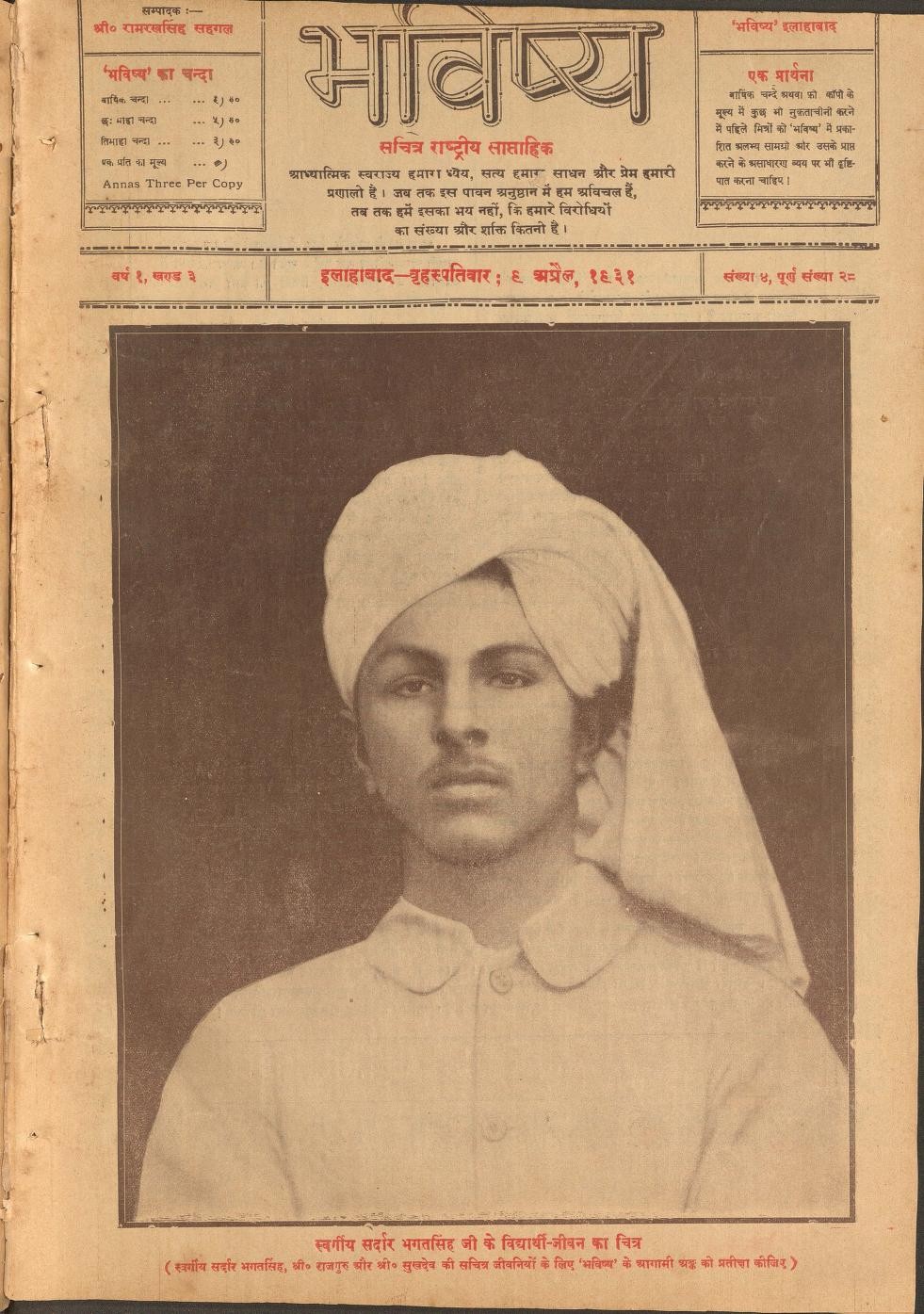
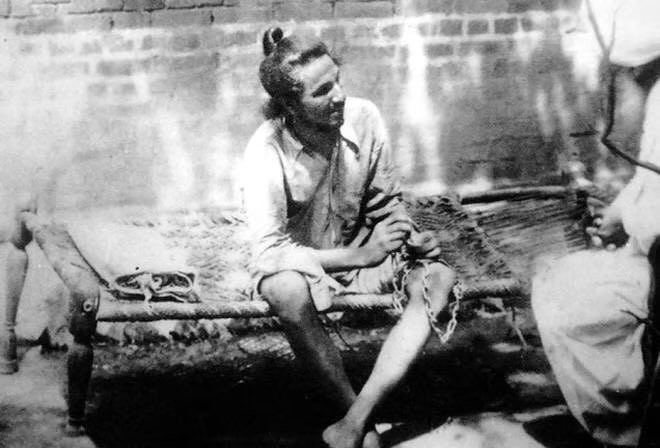
Bhagat Singh’s patriotism was not limited to political freedom; he dreamt of an Indian society free from exploitation, discrimination, and inequality. He dreamt of an inclusive and equitable society. His life is an inspiration for generations to think critically and stand up against injustice.
Pictures taken from the internet.

 Prerna's Photographs