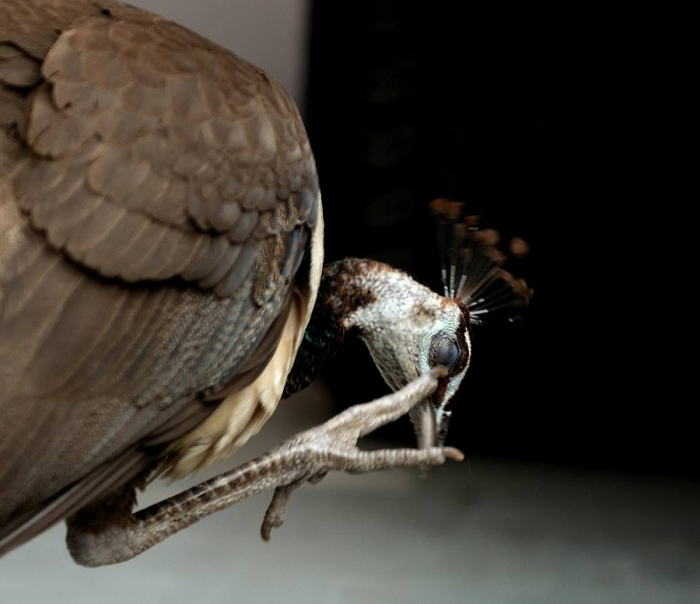
Let your mind wander, unrestricted, free, fearless, without bothering about opinionated people and judgmental trolls. The liberating power of daydreaming is unbelievable. You can time-travel across centuries and interpret situations the way you want to.
Allama Iqbal, the famous Urdu poet and philosopher, said-
Achcha hai dil ke saath rahe paasban-e-akl,
lekin kabhi kabhi ise tanha bhi chhod dain
(It is good to have reason (intellect) as the guardian of the heart,
But sometimes, one should leave the heart alone as well.)
I followed the wise man and let my mind wander. My favourite Urdu poet Mirza Ghalib was my first victim-
Ghalib wrote- rahi na taqat-e-guftar…... Roughly translated, it means I no longer have the strength to speak. This line is a part of a very painful ghazal and conveys the helplessness and exhaustion of a person when he is unable to express his pain. I let my mind wander, and that changed the mood of this line.
Did Ghalib have a sore throat, and that is why he is unable to speak? It is possible. He lived in Delhi, and who is not familiar with the pollution of Delhi? There was no pollution in the time Ghalib lived, but pollution is not the only cause of a sore throat.
I turned my attention to another celebrated poet of Delhi. He had asserted his attitude and self-confidence in these lines-
Hazrat-e-Dagh jahan baith gaye baith gaye
aur honge teri mehfil se ubharne vaale
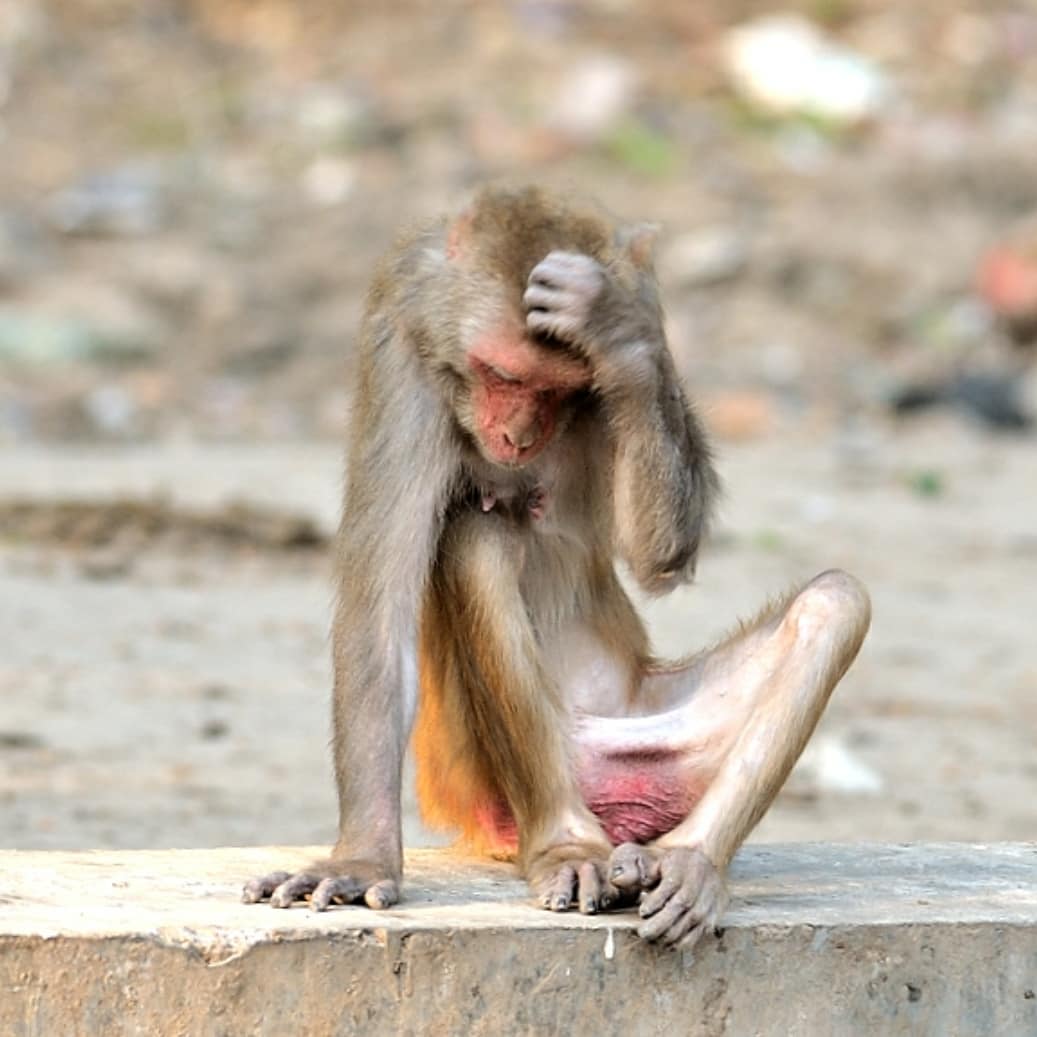
(When Hazrat-e-Daagh sits somewhere, he stays; there might be others who rise and leave your gathering.) He was suggesting that he cannot be easily replaced, contrasting himself with others who may come and go.
I let my mind wander. Was the master poet suffering from arthritis and having difficulty getting up? The scenario changed; it became a physical issue rather than a mental one.

There is a popular Hindi film song from the much-acclaimed film Pakeezah, which has a line that goes like this-
Aaj ki raat bachenge to sehar dekhenge…
(I will be able to enjoy the dawn if I survive this night)
I wondered, is there a pronunciation issue in this song? It is highly unlikely, considering it was sung by the great singer Lata Mangeshkar, but then I let my mind go wild, absolutely free. To err is human; she mistakenly said sehar (dawn) instead of sheher(City). The girl singing the song was from a village and wished to see the city if she survived the night.
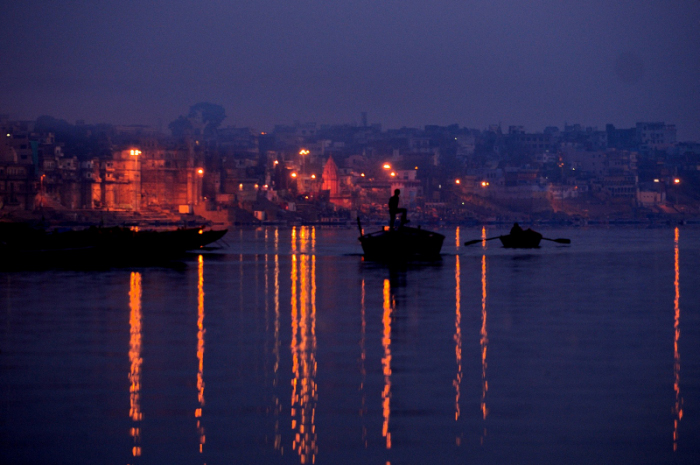
Allama Iqbal said kabhie kabhie tanha chchod dein, not always. I put the heart back in control of the brain.
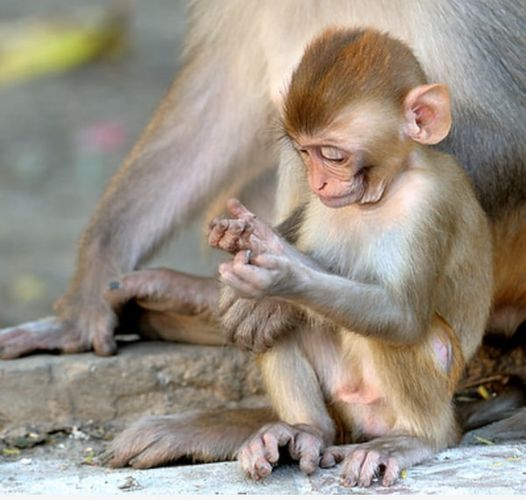
Text and Photos by Prerna Jain.

 Prerna's Photographs