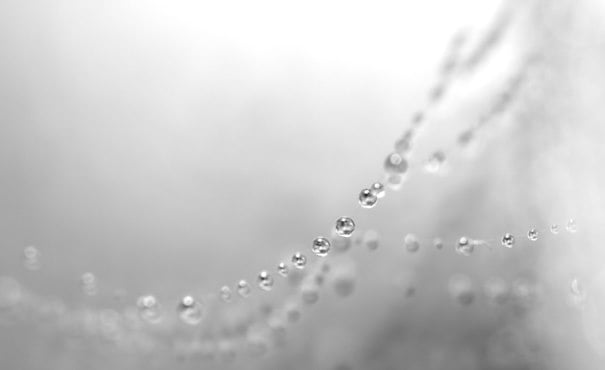
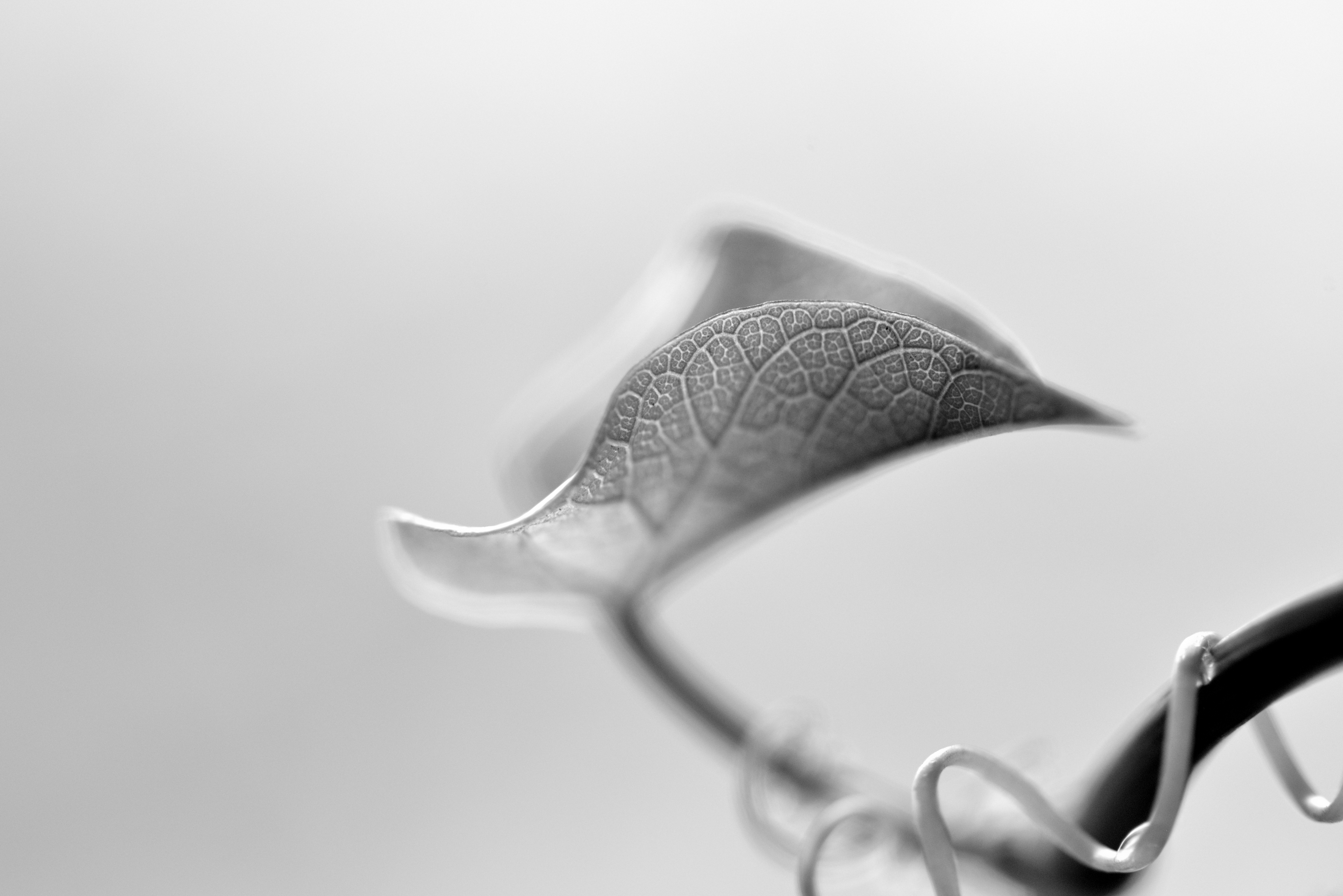
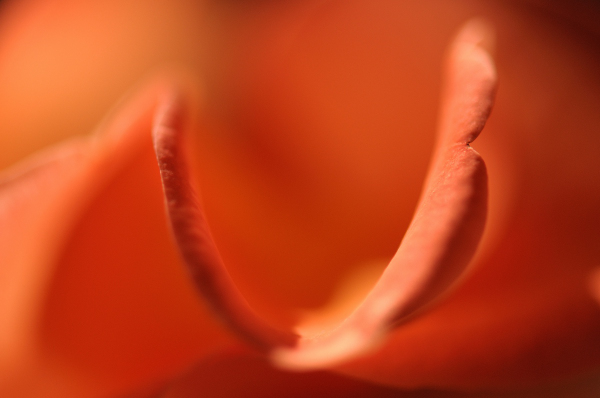
If you have been awestruck by ants in conversation, a snail navigating through the slippery ground after the rains, dew drops on a flower petal, or tempting textures and mouth-watering details of dishes, you have enjoyed the magic of Macro photography. Macro photos are an extreme close-up of the subject, they reveal details that would otherwise go unnoticed by the naked eye. Delicate hair may turn into noodles. Rain drops may look like pearls.
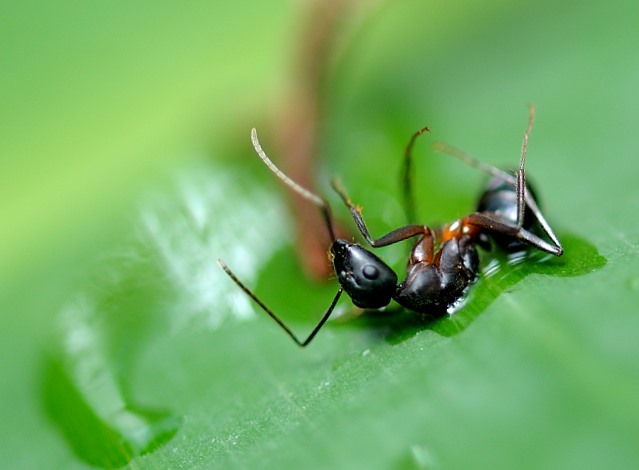
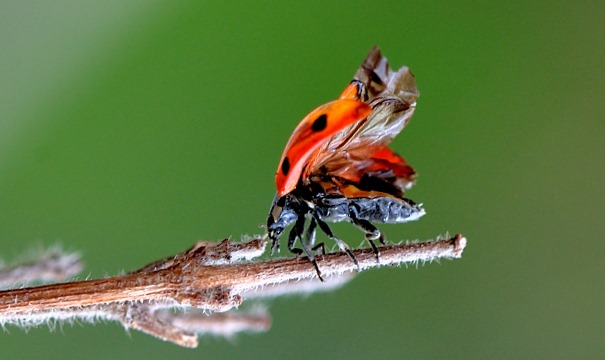
Macro photography is not just about magnification, it gives you the freedom to be creative. You can view the subject with a new perspective when you get close. What you highlight in a macro photograph can make it unique. There are so many possibilities. Emphasis on details, patterns, and textures can result in amazing results. The colours, lines and textures could dominate the picture, or show the object as it is. Through macro photography, common objects can be transformed into works of art. Experiment a little, shoot from an unconventional angle, and focus selectively on a specific part of the subject; the results can surprise you. Playing with light and shadows can also produce spectacular results.
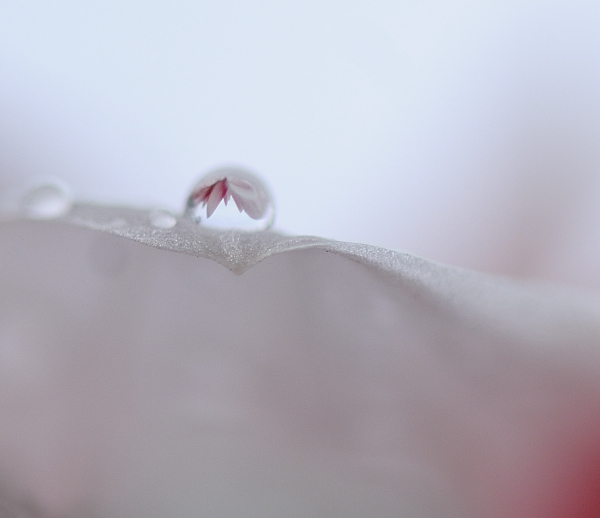
As the camera gets closer to the subject, the depth of field becomes shallow. The subject is in sharp focus, and the background is blurred, resulting in isolation of the subject and drawing attention to its details.
Macro lenses are a helpful tool in Macro Photography, they are designed to achieve high magnification. Macro lenses facilitate sharp focus at close distances. I sometimes use Manual Focus for Macro Photography. At high levels of magnification, the autofocus feature of the camera becomes erratic in finding a focal point. Manual focus gives me more control while focusing up close.
Photos and content by Prerna Jain.


 Prerna's Photographs