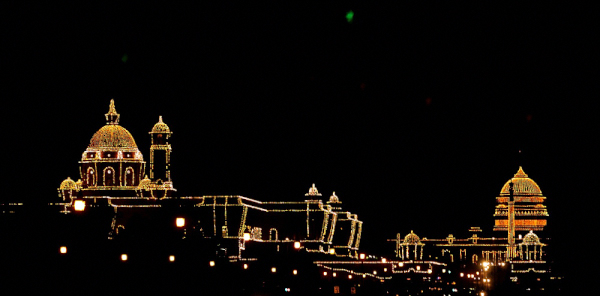
Shooting in low light, at night, at dawn, or at dusk is a bit tricky but rewarding. Capturing the world in the soft glow can give magical results. The sun goes down, city lights flicker, and the camera settings have to be changed to get the mood.

Neon-lit cityscapes, when captured well, can be mesmerising.
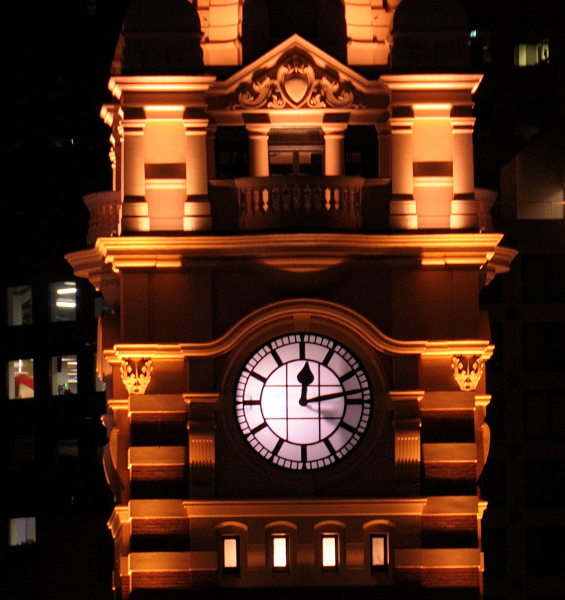


Night photography requires extra attention to light. You may need a tripod and a lens with a large aperture. Open the aperture as much as possible, slow down the shutter speed and fiddle with the ISO.
Shooting at night means low-light conditions. Shutter speed has to be slower, just to get a decent shot. Because it’s dark, the image will take longer to register on the sensor. Your hands should be steady after slowing your shutter speed, as you might miss focus. You need ample light on the subject for your camera to register it. If the subject is moving, wait for your subject to reach the light of a streetlamp or any other light source in the frame.
You can’t play with depth of field, as the aperture has to be opened. The other challenge is that you have to prevent blowing out the highlights. There will be no details in the overexposed areas; they will be white.
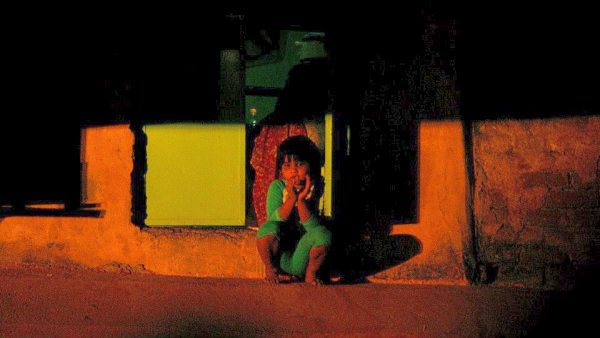
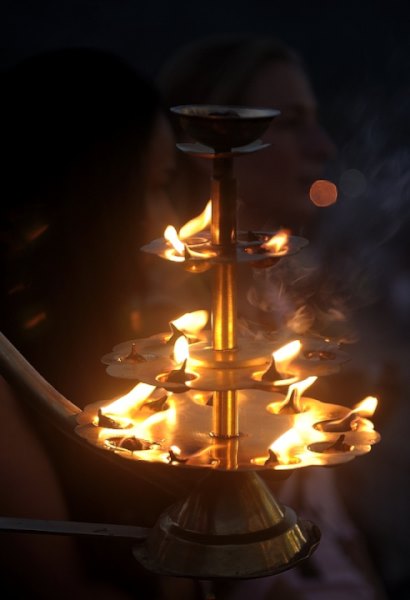
Low-light photography is challenging. With practice, you can master the techniques and capture images that reveal the beauty of the world after sunset or before sunrise.
Photos and content by Prerna Jain.


 Prerna's Photographs