
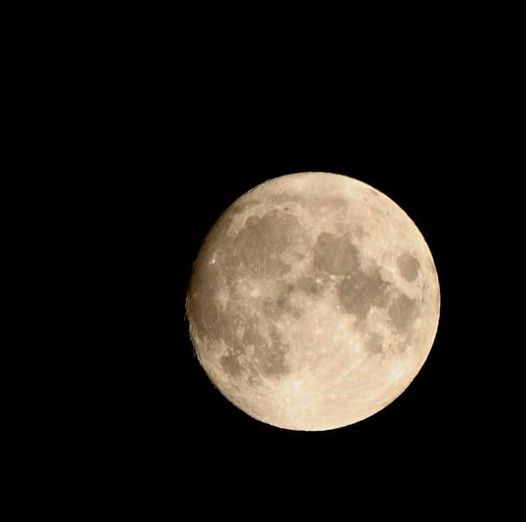
Last night was Sharad Poornima, the full moon night of the Hindu month of Ashwin, traditionally associated with the autumn moon’s radiance. There are stories of its sixteen kalas, of nectar in its rays, of kheer left beneath the open sky, and of Krishna’s Raas Leela in the moonlit groves of Vrindavan.
There is something about the moon that makes even the most ordinary evening feel a little magical. It has watched over generations of lovers, listened to countless unspoken confessions, inspired poets and kept company with those who find themselves awake long after the world has gone to sleep.
Indian poetry has a long, tender relationship with the moon. The chaand is often more than a celestial body. It becomes the face of a beloved, a companion in solitude, or a reminder of someone who is far away.
Perhaps that is the secret of the moon’s enduring hold on us. It offers a common canvas for very different emotions. One person sees romance in it, another finds solace, and someone else remembers a childhood courtyard, a grandmother’s stories, or a song heard long ago.
On a night like Sharad Poornima, when the moon seems to shine with an especially gentle brilliance, I am reminded of Gulzar’s Badli Se Jhaanke Chanda from Bandini. The image of the moon peeping from behind a cloud is playful, yet full of anticipation. The cloud hides; the moon reveals itself. For a moment, the sky becomes a stage on which an old, familiar drama unfolds.


