
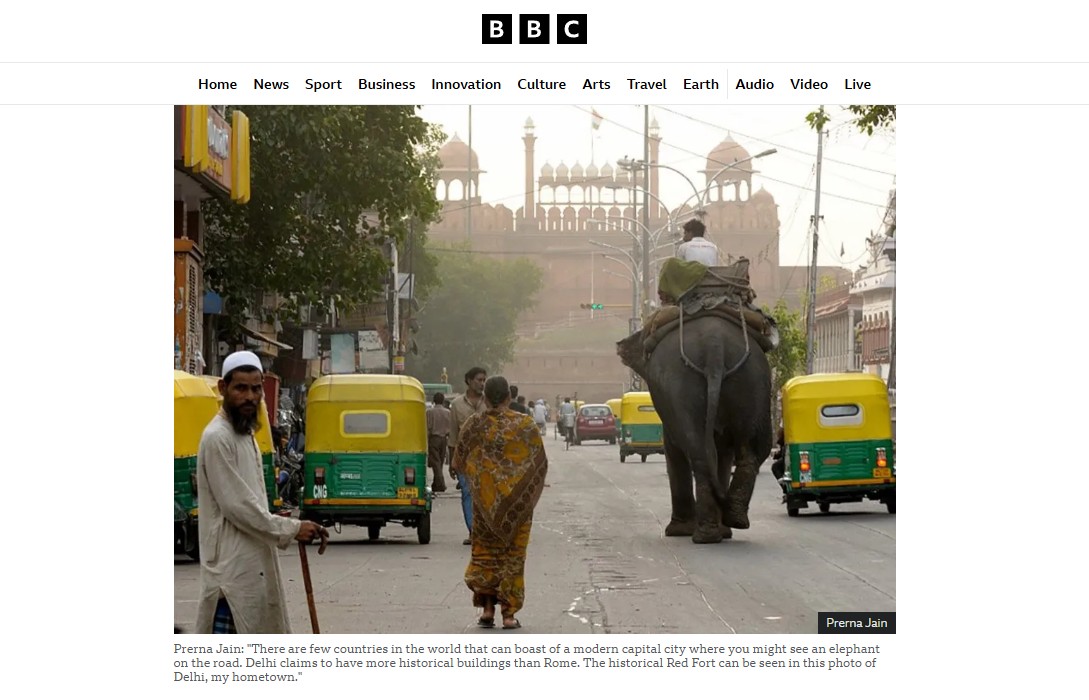
When you look out from a state-of-the-art modern building and catch sight of a centuries-old architectural marvel, you know you are in Delhi. Walking through the city is an experience layered with history, culture, and modernity. It is a place where the past and the present coexist, sometimes uneasily.
At every step, you encounter contrasts. Delhi has a unique identity, fascinating, complex, and at times overwhelming. Deeply rooted in history, the city is home to ancient monuments, bustling old markets, and cultural practices that have endured for centuries. Delhi has been destroyed, abandoned, and rebuilt over centuries. It has witnessed the rise and fall of empires, each leaving behind fragments of its legacy.
Delhi is a collection of many cities layered over time, Indraprastha, Qila Rai Pithora, Siri, Tughlaqabad, Firozabad, Shahjahanabad, and finally, New Delhi, designed by the British in the 20th century. Each of these cities reflects a distinct moment in history, shaped by changing rulers, architectural styles, and cultural influences. Together, they form a living archive of India’s past, carrying memories of both grandeur and destruction. The monuments that dot the city stand as reminders not only of glory but also of conflict. In Delhi, the past is never distant; it shapes the city’s identity even as it moves forward.
Delhi is also a rapidly modernising metropolis. In one lane, tradition thrives quietly; in another, a fast-paced, global future unfolds. This juxtaposition is striking and always visible.
The city also holds surprising pockets of natural richness. Despite its reputation as a concrete jungle, Delhi is home to lush gardens, tree-lined avenues, and historical parks. Its varied habitats support a remarkable range of biodiversity, hundreds of plant species, native wildlife, and migratory birds. Yet this natural wealth coexists with severe environmental challenges. Air pollution frequently reaches hazardous levels, and traffic congestion and urban expansion continue to strain the city’s ecological balance.
Delhi is also a space where authority and dissent coexist. As the capital of India, it is the centre of political power, with grand government buildings symbolising authority and control. At the same time, its streets regularly become sites of protest, where citizens gather to demand justice and assert their rights. This simultaneous presence of power and resistance is one of the city’s most defining contradictions.
Delhi is both vibrant and overwhelming. It is home to people from across the country, people from different regions, religions, and cultures intersect here. They bring with them their languages, cuisines, and traditions, shaping a dynamic and ever-evolving cultural landscape. Delhi does not resolve its contradictions; it lives with them. And perhaps that is what makes the city so addictive. It is not one story, but many, unfolding all at once.


Delhi is a constantly evolving city where opposites meet, sometimes clash, yet coexist, creating a vibrant and ever-changing urban landscape.
Pictures and text by Prerna Jain.


