
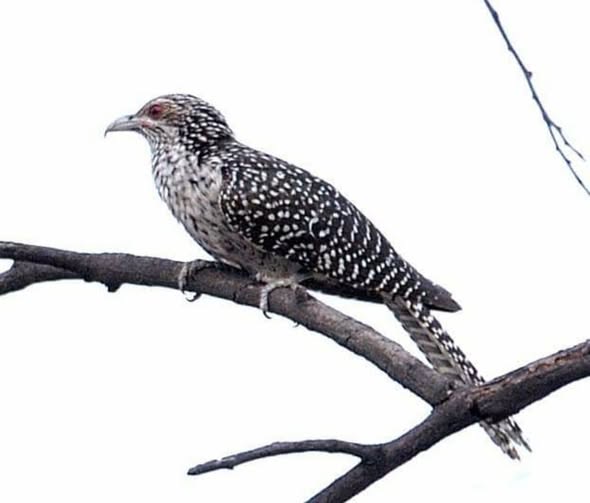
Soon after spring fades in Delhi, a familiar, loud, persistent, mating call of the male Asian Koel (Eudynamys scolopaceus) takes over the city’s soundscape. For some, it is a melody immortalised in poetry and in Hindi film songs as “Koyel ki koohoo, koohoo.” For others, it is an incessant, repetitive cry that tests one’s patience.
I used to be surprised by how irritating this sound was for some listeners. But over time, I realised their discomfort wasn’t really about their musical taste. It stemmed from a quiet sympathy for the crows. The Asian Koel is a brood parasite. Instead of building its own nest, it lays its eggs in the nests of other birds, most commonly crows. The unsuspecting crow parents raise the koel chicks as their own. In the process, some crow eggs are removed or displaced, which can impact crow populations over time. The koel plays an understated ecological role, keeping the crow population in check. The koel’s call, which we romanticise in our films and literature, is tied to a lifecycle that unfolds at the expense of another species.
Unlike many bird species, it is the female of the species who is more visually striking, though not in the conventional sense of bright colours. Her brown, heavily speckled plumage provides excellent camouflage, allowing her to slip unnoticed into the leafy cover where crow nests are often hidden. This subtle disguise is crucial to her success as a brood parasite. The male, in contrast, is glossy black with piercing red eyes.

The koel’s call is a reminder of the delicate, and sometimes uneasy, balance that shapes the natural world around us.


Text and photos by Prerna Jain.
