
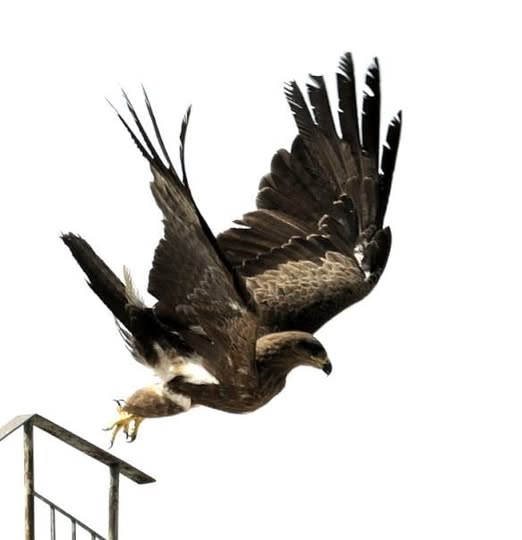
Black kites are the true rulers of Delhi’s skies. Long before the city wakes up, they are already circling overhead in search of food. Delhi’s skyline would feel incomplete without them. For decades, these birds have silently watched the city expand and transform, remaining a constant presence above the heat, noise, and endless movement below. Their sharp cries are so familiar that most Delhiites barely notice them anymore, until one suddenly swoops low over a terrace or glides effortlessly across a crowded market.
What makes black kites remarkable is their ability to adapt to Delhi’s chaos. They build nests on tall trees, old buildings, electric towers, and even ancient ruins. The black kite (Milvus migrans) has made itself completely at home in the concrete jungle of the capital. A large part of its survival depends on the enormous amount of waste generated by the city. It is common to see these birds circling above landfills, searching for scraps among the mountains of garbage.
Old Delhi, in particular, shares a unique relationship with black kites. In many neighbourhoods, people toss pieces of meat from rooftops as an act linked to charity and spiritual belief. Around Ferozeshah Kotla, too, believers feed these birds.
Black kites are extraordinary survivors. They have learned to live alongside millions of people, adapting themselves to a city that never stops growing. In many ways, they are as much a part of Delhi as its monuments, markets, and crowded streets. To look up and see a black kite circling against the harsh summer sky is to witness a living symbol of the city itself, resilient, watchful, and impossible to ignore.


Dust baths are a part of a Black Kite’s preening and plumage maintenance. The dust absorbs excess oil and helps keep the feathers from becoming greasy. The oil-soaked dust is then shed to keep the plumage clean and flexible for flight.


Photos and text by Prerna Jain.


