
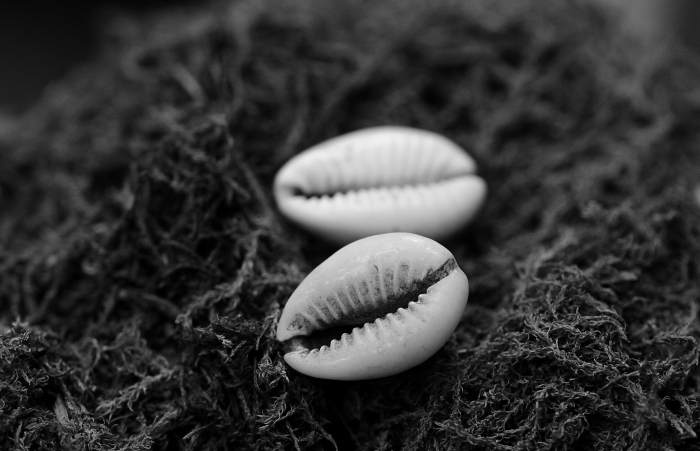
In the age of cryptocurrency, digital wallets, and UPI payments that arrive before you have even put your phone back in your pocket, nobody expected the humble kaudi(cowrie shell) to make a comeback.
In the summer of 2026, the ancient cowrie shell staged an unlikely return to the national conversation.
A television debate triggered a war of words between TV journalists and YouTube educators when a senior news anchor referred to YouTube teachers as “do kaudi ke” (worth two cowries). The remark sparked outrage among online educators and their students. Soon, supporters on both sides were hurling phrases like do kaudi ka and phooti kaudi at one another.
For the last few days, social media is resembling a medieval marketplace where nobody is buying anything, yet everyone is throwing kaudis.
Imagine the confusion of a sixteenth-century merchant if he was suddenly transported into this spectacle.
“People are fighting?”
“Yes.”
“Over money?”
“No.”
“Then why are they shouting ‘do kaudi‘ and ‘phooti kaudi‘ at each other?”
“Because nobody uses kaudis anymore.”
The poor man would be baffled. In his time, these small, shiny shells were real money. They bought goods, settled debts, paid taxes, and measured wealth. Farmers sold their produce for kaudis. Traders accumulated fortunes in kaudis. Kingdoms collected revenue in kaudis. Imagine walking into a marketplace carrying sacks of shells. Our ancestors were apparently running a remarkably successful shell economy.
Like all currencies, however, the kaudi eventually faced competition. As metal coins became more common, cowrie shells gradually lost their value. The kaudi disappeared from commerce but secured something even more durable, a permanent place in the Hindi language.
Its downfall gave us two of our most colourful expressions: do kaudi ka and phooti kaudi.
In the days when kaudis circulated as money, something worth only two cowries was considered cheap and insignificant. Over time, do kaudi ka evolved into one of the most versatile insults in Hindi. The phrase can be applied to products, services, opinions, ideas, and, on special occasions, to relatives who forward miracle cures and conspiracy theories on family WhatsApp groups.
A terrible movie? Do kaudi ki.
A malfunctioning gadget? Do kaudi ka.
A self-appointed life coach whose entire qualification consists of watching motivational reels? Definitely do kaudi ka.
Then there is the equally dramatic phooti kaudi.
A whole kaudi had some value. A broken one, a phooti kaudi was worthless. So when someone says, “Mere paas phooti kaudi bhi nahi hai,” they are declaring themselves completely broke, without a single usable coin, or shell, to their name.
Most obsolete currencies quietly retire to museums and history books. The kaudi chose a different career path. It survives in jewellery, folk art, rituals, traditional games, proverbs, and everyday speech. The kaudi remains an active participant in family quarrels, political debates, cricket discussions, and social-media feuds.
Once, kingdoms traded in it. Merchants counted it. Fortunes were measured by it. Today, centuries after disappearing from our wallets, the kaudi continues to circulate in our conversations. Journalists use it. Teachers use it. Politicians use it. Relatives at weddings use it. Few currencies can claim that, hundreds of years after their economic death, people still invoke them daily, usually while insulting someone. Not bad for a tiny shell.


Photos and text by Prerna Jain.
