
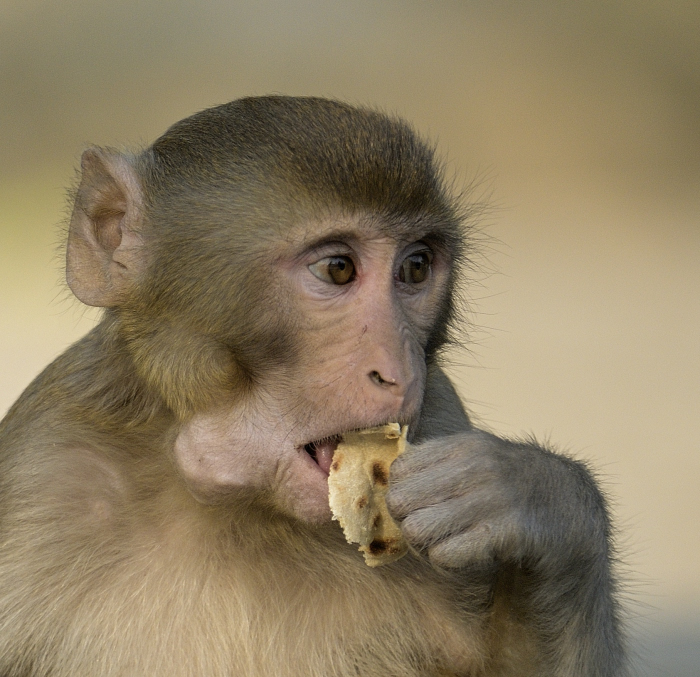
Every year on 2 June, social media fills up with references to “2 June ki Roti”. Some people share posts, others create memes, and many wonder why this particular date and phrase continue to resonate. Behind the jokes and posts lies a powerful idea that has shaped lives, literature, and even history.
The phrase “do june ki roti” has been part of the Hindi language for generations. It appears in the works of literary giants such as Jaishankar Prasad and Premchand. At its heart, it refers to a simple aspiration: earning enough for two meals a day, just enough food to keep body and soul together.
Do June ki roti is perhaps the most honest measure of economic security. In contemporary India, around 80 crore people receive free food grains through government welfare schemes, a reminder that access to food remains one of society’s most fundamental concerns.
The humble roti has witnessed some of the most dramatic moments in history. One of the most intriguing stories involving roti comes from the Revolt of 1857. In the months leading up to the uprising, rotis were mysteriously passed from village to village across northern India by runners travelling at remarkable speed. No one seemed entirely sure what message they carried. British officials were baffled. Some suspected a secret code, others a vast conspiracy. Historians continue to debate their purpose, but the humble roti had somehow become entangled in one of the greatest challenges to colonial rule.
Centuries earlier, roti had become a symbol of endurance through the story of Maharana Pratap. During the difficult years following the Battle of Haldighati, it is said that his family survived on ghaas ki roti, made from wild grasses and forest produce when grain was scarce. Whether history or legend, the story has endured because it represents resilience in the face of adversity.
However powerful you are, ignore the importance of roti at your own peril. The French queen Marie Antoinette is famously associated with the remark, “Let them eat cake,” when informed that peasants had no bread(International roti). Historians now believe she probably never said it, but the story survived because it captured a timeless truth. People can endure many hardships, but empty stomachs have a way of reshaping history.
Do June ki roti has symbolised survival, dignity, resistance, and hope. It has inspired rebellions, sustained warriors, and, in modern democracies, even influenced elections. A few political promises are more powerful than the assurance of food security. As you tear off a piece of warm roti, think of the remarkable journey this humble circle of flour has travelled, from royal courts to village huts, from the forests of Mewar to the villages of 1857, from folklore and literature to the dinner tables of millions.

In search of 2 June ki roti inside a public tandoor.

2 June ki roti.
Photos and text by Prerna Jain.
